
Potassium Myths vs Facts
Potassium is the third most abundant mineral in the human body and plays essential roles in nerve conduction, muscle contraction, fluid balance, and blood pressure regulation. Despite this, potassium is surrounded by myths — both from marketing and from popular health culture. This guide addresses the most common ones.
Common Myths About Potassium
Myth 1: You need to supplement potassium to avoid muscle cramps during exercise
Muscle cramps are often attributed to electrolyte imbalances, with potassium frequently cited as the culprit. The science, however, is more complicated. Exercise-associated muscle cramping (EAMC) appears to be primarily neuromuscular in origin in most athletes, not simply due to electrolyte deficiency (Schwellnus et al., 2008). While severe potassium depletion can cause cramping, this is a medical condition rather than a typical training scenario. Most people who cramp during exercise are not potassium-deficient.
Myth 2: Eating a banana after exercise gives you all the potassium you need
Bananas are a reasonable potassium source, but they are far from the highest-potassium food available. Cooked white beans, baked potatoes, dark leafy greens, and avocado all contain comparable or greater amounts of potassium per serving. The banana-as-potassium-cure narrative is more a product of marketing convenience than nutritional necessity.
Myth 3: Potassium supplements are safe to take freely
This is potentially dangerous. Potassium from whole food is generally safe because absorption is regulated. Supplemental potassium at high doses can cause hyperkalemia (elevated blood potassium), which can produce serious cardiac arrhythmias. This is why most over-the-counter potassium supplements contain relatively small amounts per serving — regulators cap single-dose levels specifically because of the cardiac risk with excess.
Myth 4: More potassium always lowers blood pressure
Potassium does help counteract the blood-pressure-raising effect of sodium through increased urinary sodium excretion and direct effects on vascular smooth muscle. A meta-analysis of randomised trials found that potassium supplementation was associated with significant reductions in blood pressure in hypertensive individuals (Binia et al., 2015). However, this effect is context-dependent — it is strongest in people with high sodium intake and high blood pressure. In normotensive individuals with adequate dietary potassium, supplementation does not meaningfully lower blood pressure further.
SELF Potassium Magnesium 120 vegan caps, OstroVit Potassium Citrate 200g, and 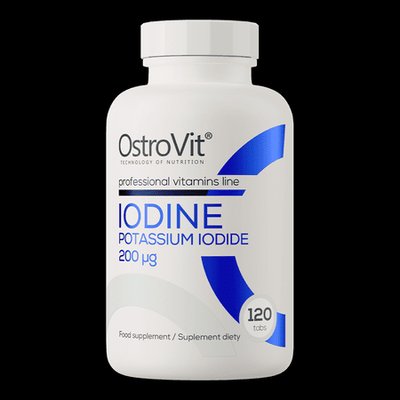 OstroVit Iodine Potassium iodide 200mcg€9.90 In stock 120tabs are available in the kaalium category at maxfit.ee.
What the Evidence Actually Shows
Potassium genuinely matters for health in several ways:
- Cardiovascular health: Higher dietary potassium intake is associated with lower rates of stroke in observational studies. The mechanism involves blood pressure reduction and possible direct vascular effects.
- Bone health: Alkaline potassium salts (such as potassium citrate) may reduce urinary calcium excretion and support bone mineral density, though this is an area of ongoing study.
- Kidney stone prevention: Potassium citrate is used clinically to reduce kidney stone recurrence in certain stone types — this is one of the most evidence-backed applications of supplemental potassium.
Marketing Claims vs Reality
| Claim | Reality |
|---|---|
| Prevents all exercise cramps | Limited evidence; most EAMC is not electrolyte-deficiency-driven |
| Freely safe to supplement | Incorrect; high-dose supplementation carries cardiac risk |
| Bananas are the best source | False; many foods are richer sources |
| Always lowers blood pressure | Context-dependent; strongest in hypertensive, high-sodium individuals |
Grey Areas
Individuals on medications that affect potassium levels — including ACE inhibitors, ARBs, potassium-sparing diuretics, and NSAIDs — are at particular risk for potassium imbalance and should not self-supplement without medical guidance. Kidney disease is another context requiring medical supervision before potassium supplementation.
For athletes in hot conditions with high sweat rates, combined electrolyte replacement (including potassium alongside sodium, magnesium, and chloride) is reasonable — but this is an electrolyte replacement strategy, not a high-dose potassium supplementation approach.
Bottom Line
Potassium is essential and many people fall short of recommended intake levels through diet — particularly those eating highly processed diets low in fruit and vegetables. Food-first approaches are ideal. When supplementation is appropriate (poor diet, medical guidance), products with modest doses from reputable sources are the sensible choice. Avoid high-dose single-mineral potassium supplements without a specific medical reason.
FAQ
How much potassium do adults need each day?
Adequate intake guidelines for adults in the EU are around 3,500 mg per day, though individual needs vary with activity level, sweat rate, and health status. Most people obtain a significant portion from fruit, vegetables, and dairy.
Can I get enough potassium from food alone?
For most healthy people eating a varied diet that includes fruits, vegetables, legumes, and dairy, meeting potassium needs through food is achievable. Highly restricted diets or specific medical conditions may create a gap.
Is potassium citrate better than potassium chloride?
Potassium citrate has specific advantages for bone health and kidney stone prevention due to its alkalinising properties. Potassium chloride is the most common supplemental form and is well absorbed. For general supplementation, both are effective sources of potassium; the citrate form has added benefits in specific contexts.
References
Schwellnus, M. P., Derman, E. W., & Noakes, T. D. (2008). Aetiology of skeletal muscle 'cramps' during exercise: a novel hypothesis. Journal of Sports Sciences, 15(3), 277–285.
Binia, A., Jaeger, J., Hu, Y., Singh, A., & Zimmermann, D. (2015). Daily potassium intake and sodium-to-potassium ratio in the reduction of blood pressure: a meta-analysis of randomized controlled trials. Journal of Hypertension, 33(8), 1509–1520. https://pubmed.ncbi.nlm.nih.gov/26039623/
Tobey, J. A. (2004). Potassium and the hypertension-cardiovascular disease continuum. Journal of Clinical Hypertension, 6(2), 97–104.



