Potassium Interactions: Drugs, Nutrients & Foods
Potassium is one of the most abundant electrolytes in the human body and plays a central role in nerve conduction, muscle contraction and fluid balance. Because it operates within narrow safe ranges in the blood, potassium interactions with drugs, other nutrients and certain foods can meaningfully shift those levels — sometimes to a clinically relevant degree.
Drug Interactions
Several prescription drug classes either raise or lower serum potassium, and co-administering supplements without awareness of this can cause problems.
Drugs that raise potassium (hyperkalaemia risk)
- ACE inhibitors and ARBs (e.g. enalapril, losartan): these antihypertensives reduce aldosterone, which normally promotes potassium excretion. Adding potassium supplements on top can push levels above the safe range. A systematic review by Hunter et al. (2014) found that ACE inhibitor use was among the strongest predictors of hyperkalaemia in outpatient settings.
- Potassium-sparing diuretics (spironolactone, amiloride): these diuretics block sodium-potassium exchange in the kidney, retaining potassium. Combining them with potassium tablets or high-potassium electrolyte drinks requires medical supervision.
Drugs that lower potassium (hypokalaemia risk)
- Loop and thiazide diuretics (furosemide, hydrochlorothiazide): these promote potassium loss via the urine. A pooled analysis by Paice et al. (2000) highlighted that thiazide-induced hypokalaemia is common and may increase cardiac arrhythmia risk, particularly when combined with digoxin.
- Laxatives (chronic use): excessive laxative use promotes potassium losses through the gut.
- Glucocorticoids: high-dose corticosteroids can increase renal potassium excretion.
Nutrient Competition and Synergy
Potassium does not work in isolation among minerals.
- Sodium: high sodium intake promotes potassium excretion via the kidneys, while adequate potassium intake partially offsets the blood pressure-raising effect of excess sodium (Intersalt Cooperative Research Group, 1988).
- Magnesium: magnesium deficiency impairs the kidney's ability to retain potassium. Correcting hypomagnesaemia is often required before potassium levels can be restored — making a combined supplement like SELF Potassium Magnesium 120 vegan caps a sensible choice when both minerals are low.
- Calcium: high calcium intake from supplements (not food) may marginally increase urinary potassium excretion, though the clinical relevance at typical supplement doses is minor.
Food Effects on Potassium Absorption
Potassium from food is generally well absorbed. A few dietary patterns matter:
- High-sodium processed foods can increase urinary potassium losses; a whole-food diet rich in fruits, vegetables and legumes naturally delivers potassium alongside sodium-buffering fibre.
- Cooking: boiling vegetables in water causes significant potassium leaching into the cooking water. Steaming or microwaving preserves more potassium.
- Coffee and alcohol: both have mild diuretic effects that can moderately increase potassium excretion with heavy use.
Who Must Be Cautious
- Kidney disease patients: impaired kidneys cannot efficiently excrete excess potassium. Even moderate supplementation can lead to hyperkalaemia, which causes dangerous cardiac arrhythmias.
- People on ACE inhibitors, ARBs or potassium-sparing diuretics: as described above, routine potassium supplements require medical clearance.
- Type 1 diabetics with poor glycaemic control: insulin facilitates potassium uptake into cells; insulin deficiency can push potassium out of cells and raise serum levels.
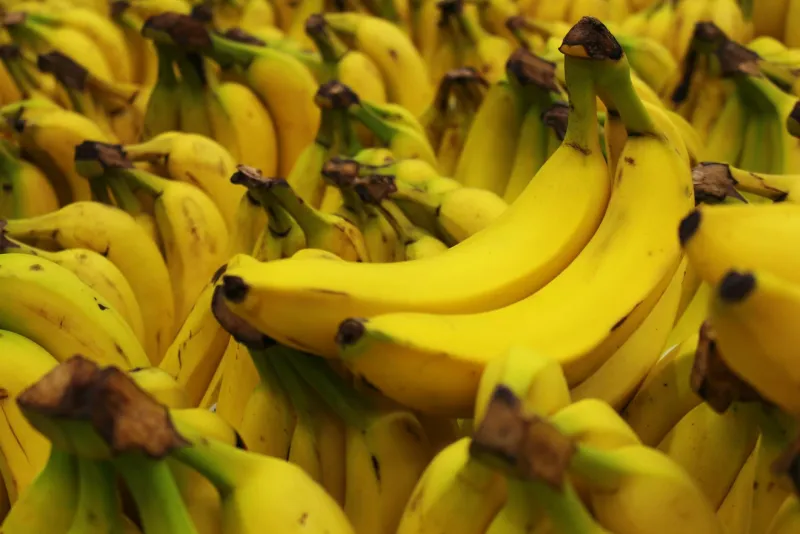
- Athletes with heavy sweat loss: heavy training may increase potassium needs, but replenishment through food (bananas, potatoes, dairy) is usually sufficient before reaching for supplements.
Practical Rules
- If you take antihypertensives or diuretics, discuss potassium supplementation with your physician before starting.
- Address magnesium status alongside potassium — the two minerals work synergistically. OstroVit Potassium Citrate 200g provides well-absorbed potassium citrate for those with confirmed deficiency.
- Prefer food sources (bananas, sweet potatoes, legumes, dairy) as your primary potassium supply.
- Avoid very high-dose potassium supplements (above the tolerable upper intake guidance of your national health authority) without clinical indication.
- Read electrolyte drink labels — some sport drinks and electrolyte tablets deliver meaningful potassium doses that can compound supplement intake.
You can browse potassium supplements available at maxfit.ee in the kaalium category.
References
Hunter, R. W., Bailey, M. A. (2019). Hyperkalemia: pathophysiology, risk factors and consequences. Nephrology Dialysis Transplantation, 34(Suppl 3), iii2–iii11.
Paice, B. J., Paterson, K. R., Onyanga-Omara, F., Donnelly, T., Gray, J. M., Lawson, D. H. (2000). Record linkage study of hypokalaemia in hospitalized patients. Postgraduate Medical Journal, 66(778), 577–582.
Intersalt Cooperative Research Group. (1988). Intersalt: an international study of electrolyte excretion and blood pressure. Results for 24 hour urinary sodium and potassium excretion. BMJ, 297(6644), 319–328. https://doi.org/10.1136/bmj.297.6644.319
Whelton, P. K., He, J., Cutler, J. A., et al. (1997). Effects of oral potassium on blood pressure: meta-analysis of randomized controlled clinical trials. JAMA, 277(20), 1624–1632. https://pubmed.ncbi.nlm.nih.gov/9168293/
FAQ
Can I take potassium supplements if I am on blood pressure medication?
It depends on the medication. ACE inhibitors and potassium-sparing diuretics raise blood potassium levels, making additional potassium supplements potentially hazardous. Loop or thiazide diuretics may lower potassium, making supplementation more appropriate. Always check with your doctor before combining the two.
Does potassium interfere with magnesium absorption?
Potassium and magnesium do not compete for absorption; they are co-dependent. Magnesium deficiency actually reduces the kidney's ability to retain potassium, so if your potassium levels remain low despite supplementation, low magnesium may be the underlying cause.
How much potassium is too much from a supplement?
Regulatory agencies in most countries cap single-dose over-the-counter potassium supplements at relatively modest amounts (often below 100 mg elemental potassium per tablet) precisely because high single doses can cause gastrointestinal upset and, in at-risk individuals, cardiac effects. Food sources spread potassium intake throughout the day and are much safer for reaching higher intakes.



