
Potassium for Women: Benefits and Considerations
Potassium is an essential mineral electrolyte responsible for maintaining fluid balance, supporting nerve signal transmission, and enabling muscle contraction — including the heart muscle. For women, potassium has particular relevance at multiple life stages: during reproductive years when hormonal cycles affect electrolyte handling, during pregnancy when requirements change, and during later life when bone density and cardiovascular health come to the foreground.
This guide covers why potassium matters specifically for women, what the evidence says, and how to approach supplementation safely.
Why Women May Need Particular Attention to Potassium
Hormonal fluid balance
Estrogen influences kidney function and the renin-angiotensin-aldosterone system, which regulates potassium and sodium balance. Hormonal fluctuations across the menstrual cycle can affect fluid retention, and women who experience bloating or swelling may be responding to these electrolyte dynamics. Adequate potassium intake helps counterbalance sodium's fluid-retaining effects.
Blood pressure
High-potassium dietary patterns are consistently associated with lower blood pressure. Women are at significant risk for hypertension after menopause, and dietary and supplemental potassium intake is one modifiable factor (Aburto et al., 2013). The protective mechanism is partly through increased urinary sodium excretion and direct vasodilatory effects.
Bone health
Alkalising dietary patterns rich in potassium have been associated with better bone mineral density in studies of postmenopausal women. Potassium may help reduce urinary calcium losses, supporting bone maintenance over time (Macdonald et al., 2008).
Hormonal and Life-Stage Notes
Reproductive years: Premenstrual fluid retention may respond positively to adequate potassium and magnesium intake. No therapeutic claims apply here — this is about adequate dietary intake, not a pharmacological intervention.
Pregnancy: Potassium requirements are modestly elevated during pregnancy. Adequate potassium intake supports fetal development and maternal cardiovascular function. Supplemental potassium during pregnancy should only be used if directed by a healthcare provider, as both excess and deficiency carry risks.
Breastfeeding: Potassium is present in breast milk and needs are somewhat increased. Most women can meet this through diet, but check with a maternity care provider if there are concerns.
Perimenopause and beyond: Declining estrogen after menopause is associated with increased cardiovascular risk, making blood-pressure-supportive nutrients including potassium particularly relevant.
Dose Considerations
Dietary reference values vary by country, but adequacy intakes for adults generally sit around 3,500 mg per day for women. Most people fall short through diet alone, particularly those consuming high-sodium processed foods.
Supplemental potassium available in standalone supplements is typically in smaller per-dose amounts than what is found in food, due to regulatory limits on single-dose supplement content in many countries (typically 99 mg or a few hundred mg per tablet). Products like SELF Potassium Magnesium 120 vegan caps, OstroVit Iodine Potassium iodide 200mcg 120tabs, and 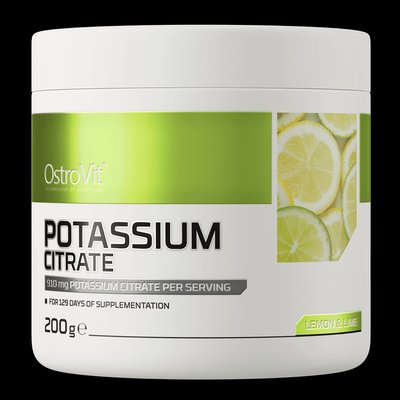 OstroVit Potassium Citrate€9.90 In stock 200g are available at maxfit.ee. These should complement, not replace, a potassium-rich diet.
Pregnancy and Safety Notes
Potassium is tightly regulated by the kidneys in healthy individuals. In those with normal kidney function, dietary potassium from whole foods carries essentially no risk of toxicity — the kidneys efficiently excrete excess. Supplemental potassium at standard over-the-counter doses is generally safe for healthy adults.
However, higher-dose potassium supplementation requires caution in:
- Women with impaired kidney function: reduced ability to excrete potassium can lead to hyperkalemia, which has cardiac consequences.
- Those taking potassium-sparing diuretics, ACE inhibitors, or ARBs: these medications increase serum potassium independently; combining them with supplemental potassium requires medical monitoring.
- During pregnancy: supplemental potassium beyond standard dietary amounts should be under medical supervision.
Bottom Line
Potassium is an essential mineral that many women do not consume in adequate amounts. A diet rich in fruits, vegetables, legumes, and dairy provides substantial potassium. Supplementation may be useful for women who consistently fall short of dietary targets — particularly active women losing electrolytes through sweat, older women supporting cardiovascular health, and women whose diet is high in processed foods. Use supplements at label doses and prioritise dietary sources; consult a healthcare provider if you take medications that affect potassium metabolism.
References
Aburto, N. J., Hanson, S., Gutierrez, H., Hooper, L., Elliott, P., & Cappuccio, F. P. (2013). Effect of increased potassium intake on cardiovascular risk factors and disease: systematic review and meta-analyses. BMJ, 346, f1378. https://pubmed.ncbi.nlm.nih.gov/23558164/
Macdonald, H. M., New, S. A., Fraser, W. D., Campbell, M. K., & Reid, D. M. (2008). Low dietary potassium intakes and high dietary estimates of net endogenous acid production are associated with low bone mineral density in premenopausal women and increased markers of bone resorption in postmenopausal women. American Journal of Clinical Nutrition, 81(4), 923-933.
FAQ
Can potassium help with PMS bloating?
Adequate potassium intake supports electrolyte balance and helps counteract sodium-driven fluid retention, which may contribute to premenstrual bloating. This is about ensuring adequate dietary intake rather than pharmacological treatment. Potassium-rich foods such as bananas, sweet potatoes, and leafy greens are practical first steps.
Is it safe to take potassium supplements every day?
For healthy women with normal kidney function who are not on medications that affect potassium levels, standard over-the-counter potassium supplements at label doses are generally safe for daily use. Women with kidney impairment or who take ACE inhibitors, ARBs, or potassium-sparing diuretics should not supplement without medical guidance.
How do I know if I am getting enough potassium?
A serum potassium blood test can confirm whether your levels are within the normal range. Dietary assessment — tracking your intake of fruits, vegetables, and dairy — gives a reasonable estimate of whether you are meeting recommended daily amounts.



