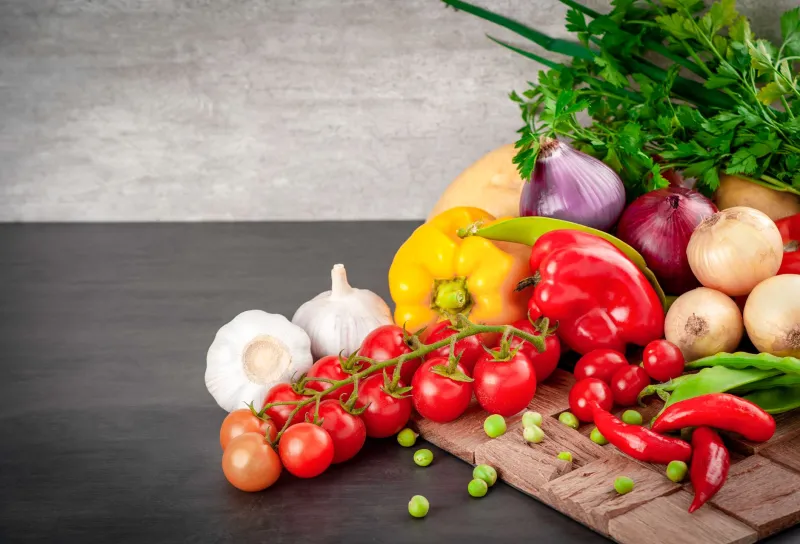
Natural Food Sources of Potassium
Potassium is the third most abundant mineral in the human body and the primary intracellular cation. It is essential for regulating fluid balance, supporting nerve signal transmission, enabling muscle contraction, and maintaining healthy blood pressure. Most adults obtain potassium from potassium food sources in their diet, and the mineral is widely distributed in whole foods — yet surveys consistently show that many people fall short of recommended intakes.
Top Potassium Food Sources
Potassium is found in abundance in a broad range of plant and animal foods. The richest sources per serving include:
| Food | Approximate potassium per 100 g |
|---|---|
| Dried apricots | ~1160 mg |
| Cooked white beans | ~560 mg |
| Baked potato (with skin) | ~535 mg |
| Cooked lentils | ~369 mg |
| Banana | ~358 mg |
| Cooked spinach | ~466 mg |
| Avocado | ~485 mg |
| Salmon (cooked) | ~490 mg |
| Tomato paste | ~1014 mg |
| Plain yogurt | ~141 mg |
Fruits, vegetables, legumes, whole grains, nuts, seeds, and lean meats all contribute meaningfully. Bananas are commonly cited, but weight-for-weight, white beans, cooked spinach, avocado, and potatoes provide as much or more potassium per serving.
Bioavailability from Food vs Supplement
Dietary potassium is well absorbed across the range of whole foods. Research indicates that absorption efficiency from food is high — typically above 80% of intake (Weaver, 2013). The form of potassium in supplements (potassium chloride, potassium citrate, potassium gluconate) can affect tolerability but does not dramatically differ in absorption from food-derived potassium under normal digestive conditions.
Potassium citrate, the form in some supplements, may have the additional benefit of mildly alkalinizing urine, which is relevant for kidney stone prevention in susceptible individuals.
Daily Targets from Diet
The World Health Organization recommends adults consume at least 3500 mg of potassium per day. Many nutritional organizations suggest that intakes of 3500–4700 mg per day are associated with cardiovascular and blood-pressure benefits.
A varied whole-food diet — rich in vegetables, fruits, legumes, and lean proteins — typically provides sufficient potassium for most healthy individuals. The typical Western diet, however, often falls short due to heavy reliance on processed foods, which tend to be low in potassium and high in sodium.
Cooking and Storage Effects
Potassium is water-soluble, so cooking methods significantly affect how much potassium you retain from food. Boiling vegetables in large amounts of water causes substantial potassium loss into the cooking water — studies suggest losses of up to 50% in some vegetables when boiled without the skin (Xu et al., 2014). Key strategies to retain potassium:
- Steam or microwave rather than boiling in large volumes of water
- Use cooking water in soups, sauces, or broths
- Cook potatoes with their skin, which substantially reduces leaching
- Avoid over-processing: whole foods retain more potassium than heavily processed versions
Freezing has minimal impact on potassium content when foods are frozen fresh. Canned foods may have potassium added back (check labels) or partially retain it depending on the product.
When Food Is Not Enough
For most healthy people, potassium needs are best met through a varied whole-food diet. However, certain situations may warrant supplementation: intensive athletic training with heavy sweating, diuretic use, digestive conditions that impair absorption, or dietary restrictions that limit potassium-rich foods.
For athletes, potassium is lost in sweat alongside sodium. Replenishing electrolytes after prolonged exercise helps maintain neuromuscular function and reduces the risk of cramping. Electrolyte supplements containing potassium are a practical tool in these scenarios.
Available at maxfit.ee: SELF Potassium Magnesium 120 vegan caps provides both potassium and magnesium in one formula — useful for active individuals monitoring multiple electrolytes. OstroVit Potassium Citrate 200g is a versatile powder format of potassium citrate. The full potassium supplements range is available for those who need targeted support.
Note: potassium supplementation above normal dietary doses should be discussed with a healthcare provider, as high-dose supplementation can affect cardiac rhythm in susceptible individuals.
FAQ
Is a banana enough to meet my daily potassium needs?
A medium banana provides roughly 350–400 mg of potassium — a useful contribution, but only about 8–10% of a typical 3500 mg daily target. Meeting your potassium needs requires a broad dietary approach: multiple servings of vegetables, some legumes, potatoes, and a mix of other whole foods throughout the day.
Does cooking destroy potassium?
Cooking does not destroy potassium — it is a mineral and cannot be chemically broken down by heat. However, boiling causes potassium to leach into cooking water. Steaming, microwaving, or using the cooking liquid minimizes losses. Roasting and baking with skins on retains potassium well.
Who might need a potassium supplement?
People who train intensively and sweat heavily, those on diuretic medications, individuals with certain kidney or gastrointestinal conditions, and those on highly restricted diets may benefit from discussing potassium supplementation with a healthcare provider. For most healthy adults, a well-varied diet is the first-line approach.
References
Weaver, C. M. (2013). Potassium and health. Advances in Nutrition, 4(3), 368S-377S. https://pubmed.ncbi.nlm.nih.gov/23674806/
Xu, B. J., Chang, S. K., & Yuan, S. H. (2014). Comparative analyses of phenolic composition, antioxidant capacity, and color of cool season legumes and other selected food legumes. Journal of Food Science, 74(2), S156-S163.
Aburto, N. J., Hanson, S., Gutierrez, H., Hooper, L., Elliott, P., & Cappuccio, F. P. (2013). Effect of increased potassium intake on cardiovascular risk factors and disease: systematic review and meta-analyses. BMJ, 346, f1378. https://pubmed.ncbi.nlm.nih.gov/23558164/



