
What Is Potassium and Why Does Dosage Matter?
Potassium is an essential mineral and electrolyte that regulates fluid balance, nerve signalling, and muscle contraction. For athletes, getting the potassium dosage right is especially relevant because sweat losses can meaningfully deplete body stores over time.
Unlike some micronutrients, potassium is not stored in large depots. Kidneys regulate plasma levels tightly, excreting excess efficiently in healthy individuals — but inadequate intake over weeks can still compromise performance and recovery.
Studied Effective Dose Ranges
Most research focuses on dietary intake rather than supplemental boluses. An adequate intake of around 3,500 mg per day for adults has been associated with normal blood pressure and muscle function in large observational cohorts (Aburto et al., 2013). Active individuals who sweat heavily may benefit from targeting the higher end of typical recommendations.
Supplemental potassium is usually available in smaller doses — typically 99 mg per tablet or capsule — because regulatory agencies in many countries cap single-serving amounts at this level to avoid accidental hyperkalemia in people with impaired kidney function. SELF Potassium Magnesium 120 vegan caps and OstroVit Potassium Citrate 200g are examples of potassium supplements available at maxfit.ee. 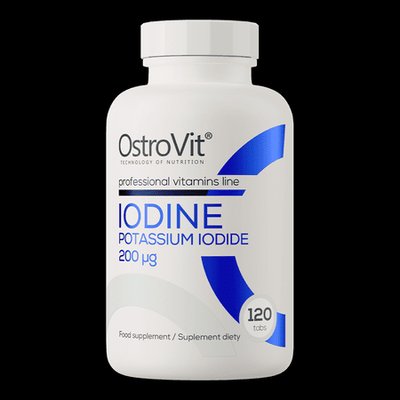 OstroVit Iodine Potassium iodide 200mcg€9.90 In stock 120tabs provides a trace amount of potassium alongside iodine, serving a different purpose.
Dose by Goal
| Goal | Approach |
|---|---|
| General health | Prioritise food first (bananas, potatoes, legumes); supplement only if diet falls short |
| Endurance athletes | Address sweat losses via electrolyte drinks; monitor intake on high-volume training days |
| Blood pressure support | Consistent dietary intake across the day matters more than single-dose supplements |
Upper Limits
EFSA has not set a formal tolerable upper intake level (UL) for potassium in healthy adults via food, noting that healthy kidneys excrete excess efficiently. However, EFSA advises caution with high-dose supplements in individuals with compromised kidney function. For context, supplemental intakes above approximately 3,000 mg per day from non-food sources are rarely studied in otherwise healthy adults and are not generally recommended without medical supervision.
Timing Relative to Dose
Potassium from food or supplements is absorbed in the small intestine within roughly one to two hours. There is no strong evidence that a specific time of day maximises potassium retention. For athletes, replenishing during and after prolonged exercise — when sweat losses are highest — is a practical priority. Splitting intake across meals reduces the small gastrointestinal discomfort that high single doses of potassium supplements can cause.
Practical Protocol
- Assess diet first. Track potassium from food for a few days using a nutrition app. Most people can reach adequate intake through diet alone.
- Supplement cautiously. If dietary intake is consistently low, a supplement providing 99–200 mg per dose taken with meals is a reasonable starting point.
- Pair with electrolytes during training. During sessions lasting more than 60–90 minutes in heat, an electrolyte formulation that includes potassium alongside sodium is more effective than isolated supplementation.
- Avoid mega-doses. High supplemental doses are not warranted for healthy individuals and carry risk in those with kidney disease or on certain medications (e.g., ACE inhibitors).
FAQ
How much potassium should I take per day?
Most healthy adults do best aiming for around 3,500 mg per day from all sources combined, primarily from food. Supplemental potassium is typically dosed at 99 mg per serving because larger amounts in a single tablet can carry risks. Consult a healthcare provider if you have kidney issues.
Can I take potassium and magnesium together?
Yes. These two minerals are often paired in electrolyte formulations and work synergistically in muscle contraction and fluid balance. Products like SELF Potassium Magnesium 120 vegan caps combine both in one serving.
Is potassium dosage different for athletes?
Athletes who train intensely and sweat heavily may lose more potassium and benefit from paying closer attention to intake through food and electrolyte drinks. However, the evidence does not support dramatically higher supplemental doses — consistent dietary intake remains the foundation.
References
Aburto, N. J., Hanson, S., Gutierrez, H., Hooper, L., Elliott, P., & Cappuccio, F. P. (2013). Effect of increased potassium intake on cardiovascular risk factors and disease: systematic review and meta-analyses. BMJ, 346, f1378. https://pubmed.ncbi.nlm.nih.gov/23558164/
Drewnowski, A., Maillot, M., & Rehm, C. (2012). Reducing the sodium-potassium ratio in the US diet: a challenge for public health. American Journal of Clinical Nutrition, 96(2), 439–444. https://pubmed.ncbi.nlm.nih.gov/22760562/
Weaver, C. M. (2013). Potassium and health. Advances in Nutrition, 4(3), 368S–377S. https://pubmed.ncbi.nlm.nih.gov/23674806/



