Understanding Potassium Deficiency
Potassium is an essential mineral and electrolyte that is critical for maintaining normal cell function, fluid balance, nerve transmission, and muscle contraction — including the heart muscle. Unlike some nutrients, potassium deficiency (hypokalemia) is a well-defined clinical condition with measurable biomarkers and serious health consequences if severe.
Mild to moderate potassium insufficiency — falling below optimal dietary intake without reaching the threshold for clinical hypokalemia — is far more common than outright deficiency and is associated with increased risk of high blood pressure and cardiovascular events.
Deficiency Symptoms
Muscle Cramps and Weakness
Muscle cells maintain their electrical potential using potassium gradients. When potassium falls, the resting membrane potential changes and muscles become more prone to involuntary contractions (cramps) and generalised weakness. Leg cramps at night, particularly in athletes, are a common early indicator.
Fatigue
Potassium-dependent processes underpin cellular energy metabolism and nerve function. Inadequate potassium is associated with generalised fatigue, reduced exercise endurance, and a feeling of low energy that is disproportionate to sleep and stress levels.
Cardiovascular Effects
Potassium plays a critical role in maintaining normal heart rhythm. Low potassium is associated with increased risk of cardiac arrhythmias. A meta-analysis of randomised trials found that increased potassium intake was associated with significantly lower blood pressure, particularly in people with high sodium intake (Aburto et al., 2013).
Constipation
Potassium is involved in smooth muscle function throughout the gastrointestinal tract. Low potassium can impair peristalsis and contribute to constipation.
At-Risk Groups
- Athletes with high sweat rates: Sweat contains potassium (approximately 4–8 mmol/L), and high-volume training in warm conditions can create significant daily losses.
- People taking diuretics: Thiazide and loop diuretics increase renal potassium excretion, making this a common cause of drug-induced hypokalemia.
- Low vegetable and fruit intake: Potassium is abundant in vegetables, legumes, and fruits — dietary patterns low in these foods have lower potassium intake.
- Chronic vomiting or diarrhoea: Both cause potassium losses from the gastrointestinal tract.
- People with high sodium diets: High sodium intake increases renal potassium excretion, making adequate potassium intake more important to counterbalance.
- Elderly individuals: Age-related changes in kidney function and dietary quality can reduce potassium status.
How It Is Tested
Serum potassium is measured by a standard blood test and is part of a basic metabolic panel or electrolyte panel. Normal serum potassium in adults is approximately 3.5–5.0 mmol/L. Values below 3.5 mmol/L indicate hypokalemia. Values in the lower end of normal (3.5–3.8 mmol/L) combined with symptomatic complaints may still warrant increased dietary attention.
Serum potassium does not perfectly reflect total body potassium stores — about 98% of the body's potassium is intracellular — but it is the most accessible clinical measure.
Nordic and Estonian Context
Potassium deficiency in the Estonian and Nordic context is influenced by several dietary patterns. The traditional Estonian diet included large amounts of root vegetables (potatoes, turnips, beets), which are good potassium sources, providing reasonable background dietary potassium. However, modern dietary shifts toward processed foods and reduced vegetable intake have lowered potassium intake in a portion of the population.
Athletes training in the warm Estonian summer, sweating significantly during outdoor exercise, can experience notable electrolyte losses that include potassium. The combination of high sweat losses and a diet not emphasising potassium-rich foods creates a vulnerability.
When to Supplement vs Diet
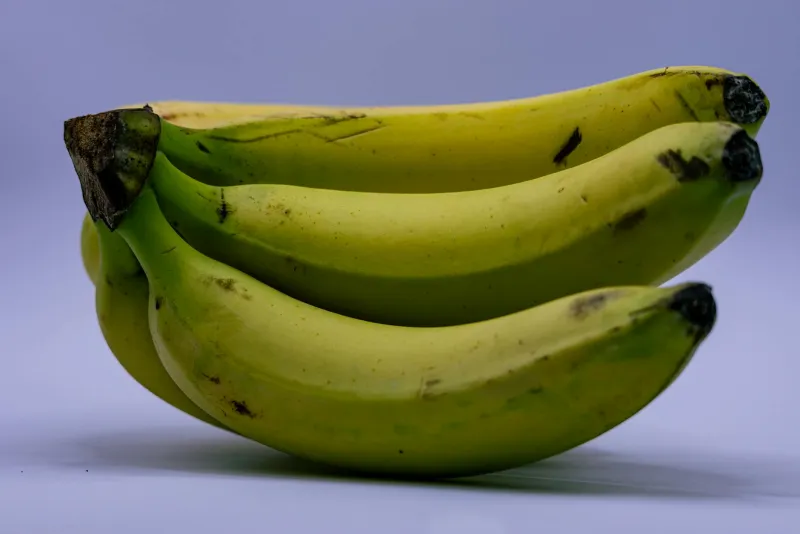
For most people, diet is the primary strategy. Potassium-rich foods include potatoes (particularly with skin), tomatoes and tomato products, avocados, bananas, dried fruits, legumes (beans, lentils), and green leafy vegetables.
For athletes or people with documented low intake, a potassium supplement may be practical. Over-the-counter potassium supplements in most markets are limited to lower doses to prevent adverse events from excessive supplementation.
Products available at maxfit.ee include SELF Potassium Magnesium 120 vegan caps (which combines potassium and magnesium, both electrolytes athletes commonly lose), OstroVit Iodine Potassium iodide 200mcg 120tabs, and 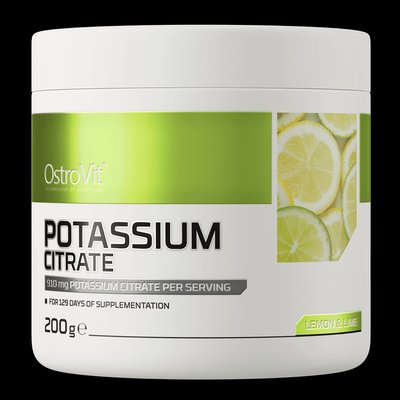 OstroVit Potassium Citrate€9.90 In stock 200g. Visit the potassium category at maxfit.ee.
Important: High-dose potassium supplementation can be dangerous, particularly for people with kidney disease or those taking ACE inhibitors, ARBs, or potassium-sparing diuretics. Always consult a healthcare provider before supplementing with potassium if you have any of these conditions.
References
Aburto, N. J., Hanson, S., Gutierrez, H., Hooper, L., Elliott, P., & Cappuccio, F. P. (2013). Effect of increased potassium intake on cardiovascular risk factors and disease: systematic review and meta-analyses. BMJ, 346, f1378. https://pubmed.ncbi.nlm.nih.gov/23558164/
Weaver, C. M. (2013). Potassium and health. Advances in Nutrition, 4(3), 368S-377S. https://pubmed.ncbi.nlm.nih.gov/23674806/
Krishnamurthy, V. M., Wei, G., Baird, B. C., Murtaugh, M., Chonchol, M. B., Raphael, K. L., Greene, T., & Beddhu, S. (2012). High dietary fiber intake is associated with decreased inflammation and all-cause mortality in patients with chronic kidney disease. Kidney International, 81(3), 300-306. https://pubmed.ncbi.nlm.nih.gov/22012132/
FAQ
Can I tell if I am potassium deficient without a blood test?
Symptoms such as persistent muscle cramps, unexplained weakness, and fatigue may suggest lower potassium, but symptoms are non-specific. A blood test (serum electrolytes) is the reliable way to assess potassium status.
Do I need a potassium supplement if I eat enough vegetables?
Most people who eat varied diets rich in vegetables and fruits do not need a separate potassium supplement. Athletes with high sweat losses or people on diuretics are more likely to benefit from supplementation.
Is potassium in sports drinks enough?
Most standard sports drinks contain modest amounts of potassium per serving. For high-sweat-rate athletes training for extended periods, this may not fully replace losses. A dedicated electrolyte product with potassium provides more flexibility.



