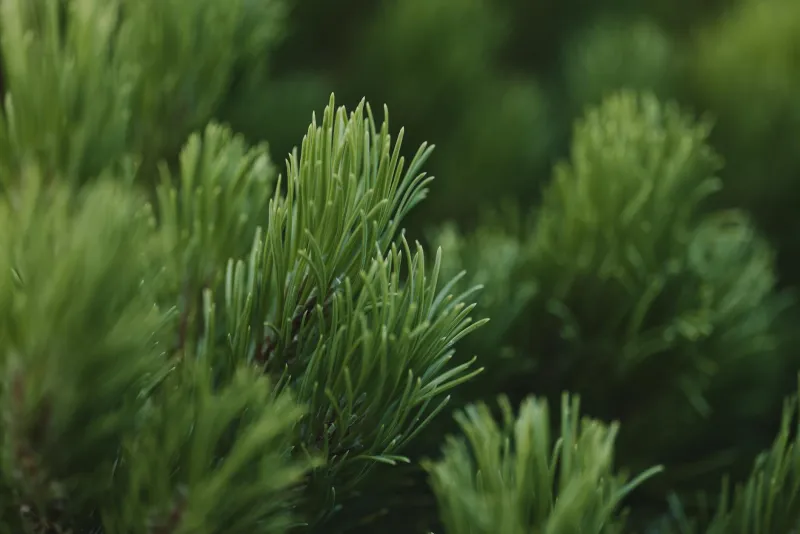
What is pine bark extract?
Pine bark extract is obtained from the bark of the French maritime pine (Pinus pinaster). The best-known branded form is Pycnogenol, which is standardised to contain at least 65–75% procyanidins (OPCs). These are the same polyphenolic compounds found in grape seeds, but pine bark has its own unique composition profile.
The history of pine bark extract is long — indigenous peoples in North America and Europe used pine bark in traditional health practices for centuries. Today, Pycnogenol is one of the most researched plant-derived supplements, with over 450 scientific publications dedicated to it (Rohdewald, 2002; Maimoona et al., 2011).
How pine bark extract works
Pine bark extract contains several types of bioactive compounds: procyanidins, catechins, and phenolic acids. These work together to provide antioxidant protection and support vascular health. OPCs bind to collagen and elastin — important structural proteins in connective tissue (Rohdewald, 2002).
Research suggests that pine bark extract may also influence nitric oxide production in the body, which plays a role in blood vessel relaxation and blood pressure regulation (Nishioka et al., 2007).
Evidence and benefits
Currently there are no EU-approved specific health claims for pine bark extract (EFSA). However, numerous studies suggest potential benefits:
- Clinical studies have shown that pine bark extract may support skin moisture, elasticity, and evenness (Belcaro et al., 2013)
- Multiple studies point to positive effects on venous health and circulation, particularly in reducing leg swelling during prolonged sitting or standing (Cesarone et al., 2005)
- Some research has examined effects on blood pressure and blood sugar levels (Gulati, 2014)
- Antioxidant activity is well documented
While the research base is larger than for many other plant supplements, larger confirmatory studies are still needed.
How to take pine bark extract
Pine bark extract is available as capsules and tablets. Dosages commonly used in research range from 50–200 mg per day, with the most common being 100–150 mg. Some protocols recommend starting with a higher dose during the first month, then reducing to a maintenance dose.
Pine bark extract can be taken with food. Some studies suggest that splitting the dose into two (morning and evening) may be more effective.
Who should consider it
- People focused on skin health and youthful appearance
- Frequent travellers (long flights, extended sitting periods)
- Office workers looking for circulation support
- Individuals interested in increasing antioxidant protection
- Those wanting to support skin defence against UV exposure (in addition to sunscreen)
Consult a healthcare professional before starting any new supplement.
Frequently asked questions
What is the difference between pine bark extract and grape seed extract? Both are OPC-rich but come from different sources with slightly different composition profiles. Pine bark extract (especially Pycnogenol) is more widely studied but also more expensive.
Can pine bark extract help with long flights? Some studies have shown that pine bark extract may help reduce leg swelling and discomfort during long flights. This is one of its most interesting applications.
Is it safe for long-term use? Studies lasting up to 12 months have not shown significant safety concerns. Long-term use appears safe at typical dosages.
Does pine bark extract replace sunscreen? No, it does not replace sunscreen. Some studies suggest it may provide supplementary internal protection, but external sun protection should never be skipped.
When will results be visible? For skin benefits, studies suggest 6–12 weeks of use to notice improvements. Circulation support may manifest sooner.
References
- Rohdewald, P. (2002). A review of the French maritime pine bark extract (Pycnogenol), a herbal medication with a diverse clinical pharmacology. International Journal of Clinical Pharmacology and Therapeutics, 40(4), 158-168.
- Belcaro, G. et al. (2013). Pycnogenol supplementation improves skin hydration and elasticity in a double-blind, placebo-controlled study. Skin Pharmacology and Physiology, 25(2), 86-92.
- Cesarone, M.R. et al. (2005). Prevention of venous thrombosis in long-haul flights with Pycnogenol. Clinical and Applied Thrombosis/Hemostasis, 10(4), 373-377.
- Nishioka, K. et al. (2007). Pycnogenol, French maritime pine bark extract, augments endothelium-dependent vasodilation in humans. Hypertension Research, 30(9), 775-780.
- Gulati, O.P. (2014). Pycnogenol in metabolic syndrome and related disorders. Phytotherapy Research, 29(7), 949-968.
- Maimoona, A. et al. (2011). A review on biological, nutraceutical and clinical aspects of French maritime pine bark extract. Journal of Ethnopharmacology, 133(2), 261-277.
See also:
- Grape Seed Extract: OPC-Rich Polyphenols
- Collagen: Joints and Recovery Guide
- Vitamin C Megadose: Myth vs Reality
Browse products at MaxFit →
Disclaimer
A food supplement is not a substitute for a varied and balanced diet and a healthy lifestyle.



