
Omega-3 for Weight Management: Does It Work?
Omega-3 fatty acids — particularly EPA (eicosapentaenoic acid) and DHA (docosahexaenoic acid) from fish oil — are among the most researched nutrients in sports science and general health. Their cardiovascular and anti-inflammatory benefits are well-established. But can omega-3 weight management claims be supported by evidence? The answer requires separating plausible mechanisms from the actual data.
Proposed Mechanism
Several pathways have been proposed to link omega-3 supplementation to body composition:
Adipogenesis and fat oxidation. Omega-3 fatty acids are ligands for PPAR-alpha and PPAR-gamma receptors, which regulate genes involved in fat metabolism. Animal models have shown omega-3 can shift energy substrate usage toward fat oxidation, reduce fat cell differentiation, and increase thermogenesis. However, animal models operate at far higher relative doses than humans typically take.
Anti-inflammatory effect and adipose tissue. Chronic low-grade inflammation in adipose tissue is associated with metabolic dysfunction and impaired fat mobilisation. Omega-3s reduce production of pro-inflammatory eicosanoids (via EPA). Reducing this inflammatory environment may theoretically improve insulin sensitivity and make fat mobilisation easier — but this is an indirect and small effect in most human trials.
Appetite regulation. EPA and DHA may influence satiety hormones such as leptin, GLP-1, and PYY. Some small trials report a modest reduction in appetite with omega-3 supplementation, though effects are inconsistent across studies.
Muscle protein synthesis. Omega-3 (especially DHA) has been shown to sensitise skeletal muscle to anabolic signals, potentially supporting muscle preservation during a caloric deficit — which is relevant for body composition, even if not for body weight per se (Smith et al., 2011).
Honest Look at the Evidence
The human trial data on omega-3 and body weight are modest at best. A systematic review and meta-analysis of randomised controlled trials found that omega-3 supplementation produced small, often statistically non-significant reductions in body weight and waist circumference compared to placebo (Du et al., 2015). Effect sizes were small and varied substantially across studies.
Where benefits are seen, they tend to be in contexts of: concurrent exercise training (omega-3 may augment the body composition response to exercise), overweight individuals with elevated inflammatory markers, or trials of longer duration. Omega-3 supplementation alone, without dietary changes or exercise, does not produce meaningful fat loss.
The data on omega-3 and lean mass preservation in a caloric deficit are somewhat more encouraging. A trial by Smith et al. (2011) found that omega-3 supplementation augmented muscle protein synthesis rates in healthy older adults, suggesting a potential role in preserving lean mass during caloric restriction — though direct RCT data on this in athletes are limited.
Effect Sizes (If Any)
In the best available trials examining omega-3 and body composition:
- Reductions in body weight, where reported, are small.
- Reductions in body fat percentage are modest and not consistent across studies.
- Effects on muscle mass preservation are somewhat more promising but not yet firmly established by large RCTs.
No trial has shown omega-3 supplementation to be a meaningful weight-loss intervention on its own. The effect, if real, is small and acts as a modifier — not a driver — of body composition change.
Realistic Expectations
- Omega-3 supplementation is not a fat-loss supplement in any meaningful clinical sense.
- Its strongest supported benefit for active people is as an anti-inflammatory and cardiovascular support tool — which contributes to training quality and overall health.
- For body composition specifically, omega-3 may provide a marginal additive benefit when combined with a structured exercise and dietary programme — but it will not substitute for those fundamentals.
- Vegetarians and vegans who do not eat oily fish are at higher risk of low EPA/DHA status and may benefit more from supplementation with algae-derived omega-3.
Better Levers
For weight management, the following have substantially stronger evidence:
- Caloric deficit through controlled food intake
- Resistance training to preserve and build lean mass
- High dietary protein to increase satiety and reduce muscle loss
- Regular aerobic activity
- Adequate sleep and stress management
Omega-3 is best framed as a foundational health supplement that supports the conditions under which fat loss and body composition improvement can happen — not as a direct fat burner.
Excellent omega-3 options at maxfit.ee include OstroVit Omega 3 Ultra 90caps, MST Omega 3 Selected 60 softgels, and 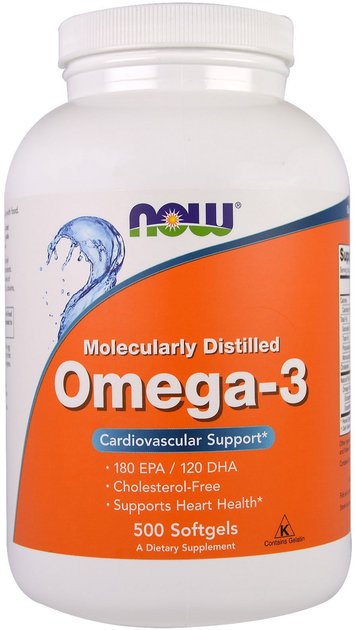 NOW Omega 3 1000mg 500 Soft Gels€44.90 In stock from the oomega-3 category. For a broader fatty acid profile, ICONFIT Softgel Omega 3-6-9 N90 is also available.
References
Du, S., Jin, J., Fang, W., & Su, Q. (2015). Does fish oil have an anti-obesity effect in overweight/obese adults? A meta-analysis of randomized controlled trials. PLOS ONE, 10(11), e0142652. https://pubmed.ncbi.nlm.nih.gov/26571503/
Smith, G. I., Atherton, P., Reeds, D. N., et al. (2011). Omega-3 polyunsaturated fatty acids augment the muscle protein anabolic response to hyperinsulinaemia-hyperaminoacidaemia in healthy young and middle-aged men and women. Clinical Science, 121(6), 267-278. https://pubmed.ncbi.nlm.nih.gov/21501117/
Burrows, T., Barclay, A., Oakes, P., Ho, M., & Cowell, C. T. (2012). Fish oil supplementation and body composition: a randomized controlled trial in overweight children. European Journal of Pediatrics, 171(9), 1279-1287.
FAQ
Will taking omega-3 help me lose belly fat?
Not in a direct sense. Omega-3 does not specifically target abdominal fat. The best evidence for belly fat reduction is a consistent caloric deficit combined with regular exercise. Omega-3 may support this process indirectly via anti-inflammatory and cardiovascular effects, but it is not a spot-reduction tool.
How much omega-3 should I take for health benefits?
Rather than specifying a dose, we recommend following the guidance on your chosen product label. Most fish oil supplements in sports nutrition range from 1-3 softgels daily. For cardiovascular and anti-inflammatory benefits, higher EPA+DHA totals have been studied, but individual needs vary.
Are plant-based omega-3s (ALA from flaxseed) as effective?
ALA (alpha-linolenic acid) from plant sources converts to EPA and DHA in the body, but conversion rates are low. For the benefits attributed to EPA and DHA specifically — including any body composition effects — fish oil or algae-derived omega-3 (pre-formed EPA/DHA) are more reliable than ALA-based sources.



