
Omega-3 Interactions: What the Research Shows
Omega-3 fatty acids — primarily EPA (eicosapentaenoic acid) and DHA (docosahexaenoic acid) from fish oil, and ALA (alpha-linolenic acid) from plant sources — are among the most studied supplements. Their biological activity (reducing platelet aggregation, modulating inflammation, supporting cardiovascular and neurological health) also creates meaningful interactions with certain medications and nutrients.
Understanding omega-3 interactions helps you supplement safely and effectively.
Drug Interactions
Anticoagulants and antiplatelet drugs
Omega-3s at high doses can have antiplatelet effects that add to those of blood-thinning medications such as warfarin, aspirin, clopidogrel, and direct oral anticoagulants (DOACs). Clinical concern is most relevant at doses above about 3 g of combined EPA+DHA per day.
A systematic review found that omega-3 supplementation modestly increased bleeding time markers in patients on anticoagulants, though clinically significant bleeding events were rare and not clearly attributable to the combination alone (Harris et al., 2007). Patients on anticoagulant therapy who want to add omega-3 supplements should inform their prescriber.
Surgery precaution
Some surgeons advise stopping high-dose omega-3 supplements around two weeks before elective surgery as a precautionary measure, consistent with standard advice to pause other supplements and non-essential medications pre-operatively. Standard supplement doses as used in products at maxfit.ee represent lower risk than therapeutic prescription doses.
Statins
Omega-3s and statins are frequently co-prescribed for cardiovascular risk reduction. There is no adverse pharmacokinetic interaction; prescription-strength omega-3 preparations are used alongside statins in clinical cardiology.
Nutrient Competition and Synergy
- Omega-3 and vitamin E: Fish oil in capsule form is prone to oxidation, which reduces efficacy and can produce pro-oxidant breakdown products. Vitamin E in the capsule (or consumed in the diet) acts as an antioxidant stabiliser. Most quality omega-3 supplements include vitamin E for this reason.
- Omega-6 balance: Modern western diets tend to be high in omega-6 fatty acids and low in omega-3, which may promote inflammatory signalling. Supplementing with omega-3 partially corrects this ratio — diet quality matters as much as the supplement dose.
- Omega-3 and vitamin D: Both are fat-soluble and involved in anti-inflammatory and immune pathways. Combined supplementation is common and there is no known adverse interaction; OstroVit Omega 3 + ADEK 90caps combines omega-3 with fat-soluble vitamins in a single product.
Food Effects on Omega-3 Absorption
- Taking fish oil with a meal containing fat significantly improves EPA and DHA absorption compared to taking it fasted. The presence of dietary fat stimulates bile secretion and facilitates lipid absorption.
- Fatty meals are particularly effective — a meal with full-fat dairy, nuts, or eggs is a good pairing.
- Alcohol does not acutely interfere with omega-3 absorption but chronic heavy alcohol intake impairs overall fat metabolism.
Who Must Be Cautious
- People on warfarin, heparin, aspirin therapy, or DOACs: inform your prescriber before adding high-dose omega-3.
- Patients scheduled for surgery: discuss stopping supplements with your surgical team.
- Those with fish or shellfish allergies: note that most fish oil supplements are derived from fish; algal omega-3 (from microalgae) is the vegan and allergy-safe alternative.
- People with fish allergy who still want EPA+DHA can look for algae-derived omega-3 options.
Practical Rules
- Take omega-3 with a fatty meal to maximise absorption.
- If on anticoagulant medication, keep doses at standard supplement levels and tell your doctor.
- Check for vitamin E in the product to reduce oxidation risk.
- Vegans can use algal DHA/EPA instead of fish oil.
Explore products like OstroVit Omega 3 Ultra 90caps, MST Omega 3 Selected 60 softgels, 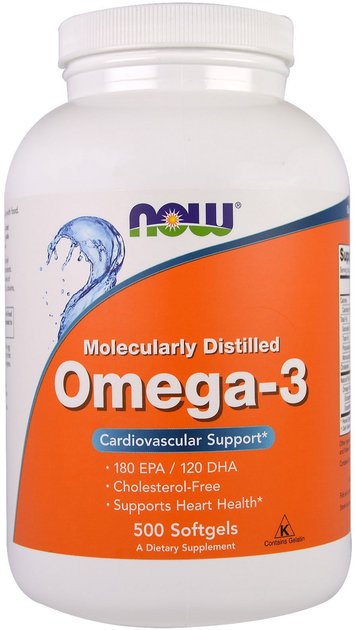 NOW Omega 3 1000mg 500 Soft Gels€44.90 In stock, and ICONFIT Omega-3 60softgels in the oomega-3 category on maxfit.ee.
References
Harris, W. S., et al. (2007). Omega-3 fatty acids and bleeding: mechanisms and the mystery of fish consumption. Journal of Cardiovascular Medicine, 8(Suppl 1), S21–S26.
FAQ
Can I take omega-3 with aspirin?
Aspirin and omega-3 both affect platelet function. At standard supplement doses, the combination is widely used and is generally considered low risk for healthy individuals. However, if you are on prescribed aspirin for cardiovascular protection, it is worth mentioning omega-3 supplementation to your doctor, especially at doses above 2 g of EPA+DHA per day.
Does fish oil cause burping?
Enteric-coated capsules reduce the fishy burp effect by delaying release of the oil past the stomach. Storing capsules in the freezer and taking them with food also helps. Products like DY OMEGA-3 Softgel and OstroVit Omega 3 180caps are standard softgel forms that are generally well-tolerated.
Should I take omega-3 every day?
Consistency matters more than timing. Daily supplementation maintains stable plasma EPA and DHA levels better than intermittent high-dose loading. Most research uses daily dosing, making this the most evidence-aligned approach.



