
Role in Energy Metabolism
Omega-3 fatty acids — primarily EPA (eicosapentaenoic acid) and DHA (docosahexaenoic acid) — are structural components of cell membranes throughout the body, including in mitochondria, the organelles responsible for producing cellular energy. The fluidity and composition of mitochondrial membranes affects how efficiently ATP is generated. Higher omega-3 incorporation into membranes is associated with more efficient mitochondrial respiration in experimental models.
Omega-3s also influence inflammation. Chronic low-grade inflammation is increasingly recognised as a contributor to fatigue, both subjectively felt tiredness and the kind of performance decrement athletes experience between sessions. By shifting prostaglandin and cytokine production towards a less pro-inflammatory pattern, EPA and DHA may help reduce the inflammatory load that contributes to feeling run-down.
Finally, DHA is the dominant fatty acid in the brain, and adequate DHA status is linked to cognitive measures including mental alertness and mood — both of which affect how energetic a person perceives themselves to be.
Evidence in Fatigue
The direct evidence that omega-3 supplementation reduces fatigue is mixed, which is worth being honest about.
In clinical populations, particularly those with conditions associated with elevated inflammation (such as cancer-related fatigue, chronic fatigue states, and inflammatory disorders), some randomised controlled trials have found meaningful improvements in fatigue scores. Bourre (2005) reviewed the extensive roles of omega-3 in brain function and noted associations between low DHA status and measures of cognitive fatigue.
In healthy exercising populations, the picture is more nuanced. Omega-3 supplementation appears to support recovery from exercise-induced muscle damage, which is indirectly relevant to energy: when your muscles recover better between sessions, you can train with more effort, feel less drained, and maintain output. Smith et al. (2011) found in a randomised trial that omega-3 supplementation (specifically 4 g EPA+DHA daily for eight weeks) significantly increased the rate of muscle protein synthesis in older adults — a finding relevant to training recovery, though direct fatigue measures were not the primary endpoint.
For healthy young adults without deficiency, the fatigue effect is probably modest unless they are genuinely low in omega-3.
Who Is Likely to Respond
The biggest responders to omega-3 supplementation for energy and fatigue are those who start with the lowest omega-3 status. This includes:
- People who rarely eat oily fish (salmon, mackerel, herring, sardines)
- Vegetarians and vegans, who typically have lower EPA and DHA status because plant sources provide ALA, which converts to EPA and DHA only inefficiently
- People with high dietary intake of omega-6 fatty acids (common in Western diets rich in vegetable oils), which compete with omega-3 for enzyme pathways
- Individuals with elevated markers of inflammation or prolonged training periods without adequate recovery
If you already eat oily fish several times per week, the marginal benefit from supplementation on fatigue specifically may be small.
Dose
For general health and recovery support, most research uses between 1 g and 4 g of combined EPA+DHA daily. Look at the label: the total oil amount (e.g. 1000 mg per capsule) is less meaningful than the actual EPA+DHA content listed below it.
Products at maxfit.ee such as OstroVit Omega 3 Ultra 90caps and NOW Omega 3 1000mg 200 Softgels are straightforward starting options. 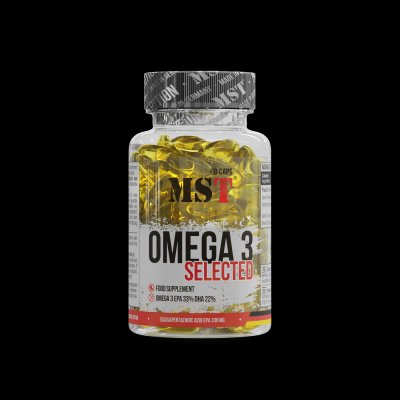 MST Omega 3 Selected€11.90 In stock 60 softgels offers a higher-concentration formula for those who want to reach a meaningful EPA+DHA dose in fewer capsules. For those exploring a broader fatty acid profile, ICONFIT Softgel Omega 3-6-9 N90 provides a combined approach.
Browse the full oomega-3 kategooria and oomega-3-6-9 kategooria at maxfit.ee.
Realistic Expectations
Omega-3 is not an energy booster in the way caffeine is. It does not produce a noticeable effect on the day you start taking it. Think of it as a long-term investment in cellular health and inflammatory balance.
If you are genuinely omega-3 deficient, you may notice improved mood, better mental clarity, and less post-exercise soreness after several weeks of consistent supplementation. These changes are real but subtle — they show up as feeling more consistently energised across the week, not as a sudden boost on any given day.
For most people, the primary reason to supplement omega-3 is cardiovascular and brain health; the fatigue and energy benefit is a secondary, indirect gain. Set realistic expectations: give it at least eight to twelve weeks of consistent use before drawing conclusions.
FAQ
Does the form of omega-3 (fish oil vs algae oil) matter for energy?
Both provide EPA and DHA in similar bioavailability. Algae-based omega-3 (DHA-dominant) is the preferred source for vegans and those avoiding fish products. If fatigue is your concern, ensure the product you choose specifies EPA and DHA content, not just total omega-3.
Can I get enough omega-3 from flaxseed or chia?
These provide ALA, which the body can convert to EPA and DHA, but the conversion rate is low — often below 10% for EPA and lower still for DHA. For people with fatigue concerns where DHA and EPA are the relevant molecules, relying on ALA alone is generally not sufficient.
Is it safe to take omega-3 daily long-term?
Yes, for most people at typical doses (1–3 g EPA+DHA). At very high doses (above 3–4 g daily), omega-3 can slightly impair platelet aggregation, which may matter if you are taking blood-thinning medication. Check with your doctor if this applies to you.
References
Bourre, J. M. (2005). Dietary omega-3 fatty acids and psychiatry: mood, behaviour, stress, depression, dementia and aging. Journal of Nutrition Health and Aging, 9(1), 31–38. https://pubmed.ncbi.nlm.nih.gov/15750663/
Smith, G. I., Atherton, P., Reeds, D. N., Mohammed, B. S., Rankin, D., Rennie, M. J., & Mittendorfer, B. (2011). Omega-3 polyunsaturated fatty acids augment the muscle protein anabolic response to hyperinsulinaemia-hyperaminoacidaemia in healthy young and middle-aged men and women. Clinical Science, 121(6), 267–278. https://pubmed.ncbi.nlm.nih.gov/21501117/
Calder, P. C. (2013). Omega-3 polyunsaturated fatty acids and inflammatory processes: nutrition or pharmacology? British Journal of Clinical Pharmacology, 75(3), 645–662. https://pubmed.ncbi.nlm.nih.gov/22765297/



