
DHA: The Number One Building Block for the Brain
Docosahexaenoic acid (DHA) is a long-chain omega-3 fatty acid essential for brain structure and function. It makes up approximately 40% of all polyunsaturated fatty acids in the brain and up to 60% of the lipids in the retina. The human body can convert alpha-linolenic acid (ALA — plant-based omega-3) to DHA at only a limited rate (~5–10%), making dependence on fatty fish consumption or DHA-rich supplements important for many people.
The brain has a lifelong need for DHA — it is not just a developmental nutrient. The adult brain continuously uses DHA for neural plasticity, synaptic signal transmission, and neuroprotection.
Why Is DHA Uniquely Important for the Brain?
DHA affects brain health in multiple ways:
- Neuron membrane fluidity: DHA makes cell membranes more flexible, improving neurotransmitter synthesis and receptor sensitivity
- Neurogenesis support: DHA promotes the formation of new neurons in the hippocampus — the region responsible for memory and learning
- Reducing neuroinflammation: EPA and DHA together reduce inflammatory brain signalling (via the resolvin mechanism), linked to depression and cognitive decline (Calder, 2013)
- BDNF support: DHA raises brain-derived neurotrophic factor (BDNF) levels, linked to memory formation and neuroprotection
Scientific Evidence
Cognitive performance. A review of 20 randomised trials found that omega-3 supplementation (particularly DHA) improved memory, attention, and processing speed, especially in high-risk groups such as older adults and those with low baseline omega-3 levels (Yurko-Mauro et al., 2010).
Depression and mood. A meta-analysis of 35 studies found that omega-3 supplements significantly reduced depressive symptoms. EPA proved particularly effective in this context, but DHA is also important for brain cell membranes (Mocking et al., 2016).
Dementia prevention. Observational studies have found that high DHA intake is associated with lower dementia risk (Morris et al., 2003). Results from randomised trials are mixed, but the role of early prevention remains relevant.
Pregnancy and child development. DHA is especially important for foetal and infant brain development. Studies show that higher maternal DHA intake is associated with better cognitive development in children (Innis, 2008).
EPA vs DHA: When to Favour Which?
| EPA | DHA | |
|---|---|---|
| Primary role | Inflammation modulation | Brain structure and plasticity |
| Mood and depression | Particularly effective | Supportive |
| Memory and cognition | Supportive | Particularly effective |
| Retina | Minor | High concentration |
A full spectrum (EPA + DHA) is the best choice for cognitive support.
Recommended Doses for Brain Health
Most studies use 1000–2000 mg of combined EPA+DHA per day (with DHA contributing 500–1000 mg). The European Food Safety Authority (EFSA) recommends at least 250 mg DHA per day for brain health as a minimum target.
Taking it with a fatty meal is essential, as omega-3 is fat-soluble.
Products at maxfit.ee
OstroVit Omega 3 Ultra 90 caps is a high-concentration option suited for cognitive support. OstroVit Omega 3 150 Capsules and 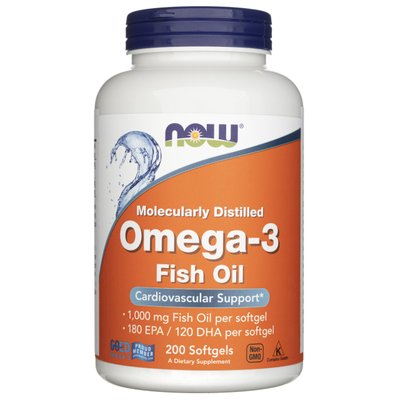 NOW Omega 3 1000mg 200 Soft Gels€20.90 In stock are good for daily use.
  MST Omega 3 Selected€11.90 In stock 60 Softgels and DY Omega-3 Softgel are also in stock. ICONFIT Softgel Omega 3-6-9 N90 provides a broad spectrum.
Find omega-3 and fish oil supplements at /en/category/oomega-3 on maxfit.ee.
Are Fish Oil Capsules the Only Option?
No — algae-based DHA products also exist and are suitable for vegans and vegetarians. Algae are actually the original DHA source for fish — fish get their DHA by eating algae. Algae-based DHA often has an even more consistent DHA concentration than fish oil.
Who Especially Needs DHA Supplementation?
- Vegans and those who eat little fish: dietary DHA intake is limited
- Pregnant and breastfeeding women: foetal brain development requires adequate DHA
- Older adults: DHA levels in the brain decline with age
- People with depression: omega-3 supplementation is one of the better evidence-based supplements for mood support
- Those in Estonia's dark months: the Estonian climate, where dietary DHA is often insufficient, makes supplementation particularly sensible
Safety
Omega-3 fatty acids are well tolerated. The most common side effects are:
- A "fishy" aftertaste (freezing capsules before use helps)
- Mild digestive upset
For high doses (above 3 g EPA+DHA per day), consult a doctor, especially if taking anticoagulant medications.
Conclusion
DHA is an indispensable nutrient for brain structure and function. Adequate intake supports memory, mood, neural plasticity, and protects the ageing brain. Omega-3 supplements are among the best-evidenced broadly available nootropic substances. In Estonia, maxfit.ee offers various omega-3 options at /en/category/oomega-3.
References
- Calder, P. C. (2013). Omega-3 polyunsaturated fatty acids and inflammatory processes: nutrition or pharmacology? British Journal of Clinical Pharmacology, 75(3), 645–662.
- Yurko-Mauro, K., McCarthy, D., Rom, D., Nelson, E. B., Ryan, A. S., Blackwell, A., & Stedman, M. (2010). Beneficial effects of docosahexaenoic acid on cognition in age-related cognitive decline. Alzheimer's & Dementia, 6(6), 456–464.
- Mocking, R. J., Harmsen, I., Assies, J., Koeter, M. W., Rühé, H. G., & Schene, A. H. (2016). Meta-analysis and meta-regression of omega-3 polyunsaturated fatty acid supplementation for major depressive disorder. Translational Psychiatry, 6(3), e756.
- Morris, M. C., Evans, D. A., Bienias, J. L., Tangney, C. C., Bennett, D. A., Wilson, R. S., & Schneider, J. (2003). Consumption of fish and n-3 fatty acids and risk of incident Alzheimer disease. Archives of Neurology, 60(7), 940–946.
- Innis, S. M. (2008). Dietary omega 3 fatty acids and the developing brain. Brain Research, 1237, 35–43.
FAQ
How many fish portions per week provide enough DHA?
Health authorities generally recommend 2 portions of oily fish (salmon, herring, mackerel) per week, equivalent to approximately 500 mg DHA+EPA per day. If you eat fish less often, a supplement is the sensible choice.
Are omega-3 effects measurable?
Yes — the blood-based omega-3 index (EPA+DHA as a percentage of red blood cell fatty acids) is measurable. Above 8% is desirable, but most Europeans are at 4–5%. Fish oil or algae oil capsules can improve this figure within 12 weeks.
Can omega-3 replace antidepressants?
No — omega-3 is not a treatment, but a complement. Clinical results have been shown for mild-to-moderate depression as an add-on, not a replacement. Always make medication decisions in consultation with a doctor.



