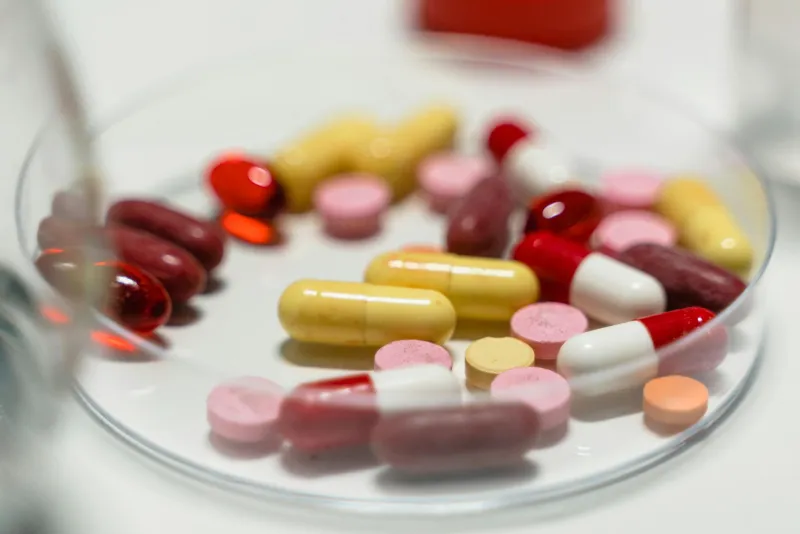
Multivitamins Interactions: Drugs, Nutrients & Foods
Multivitamin supplements are the world's most commonly taken dietary supplement, widely perceived as a safe and beneficial daily habit. For most people, a quality multivitamin taken as directed is low-risk. However, the broad micronutrient profile in multivitamins — often including fat-soluble vitamins, minerals, and herbal additions — creates genuine potential for interactions with prescription medications, other supplements, and certain foods. Understanding these interactions is not alarmist; it is practical.
Drug Interactions
The most clinically significant multivitamin drug interactions involve:
Anticoagulants (warfarin): Multivitamins containing vitamin K directly antagonise the anticoagulant effect of warfarin, which works by blocking vitamin K-dependent clotting factor synthesis. Even moderate changes in vitamin K intake can shift INR values. Patients on warfarin should use consistent, low-vitamin K multivitamins and inform their prescribing clinician (Booth et al., 2002).
Thyroid medications (levothyroxine): Calcium and iron in multivitamins can bind levothyroxine in the gut, significantly reducing its absorption. This interaction is well-documented; the standard recommendation is to take levothyroxine at least 4 hours apart from any calcium- or iron-containing supplement.
Antibiotics (fluoroquinolones and tetracyclines): The calcium, magnesium, zinc, and iron in multivitamins chelate these antibiotics and reduce their absorption. Taking multivitamins within 2–4 hours of these antibiotics can meaningfully reduce antibiotic efficacy.
HIV medications and antiepileptics: High-dose vitamins in some multivitamins can affect the metabolism of certain antiretrovirals and antiepileptic drugs through cytochrome P450 enzyme interactions. This is a category where pharmacist or physician consultation is essential before combining.
Chemotherapy agents: Several chemotherapy drugs are specifically incompatible with high-dose antioxidants (vitamin C, vitamin E, beta-carotene). The theoretical concern is that antioxidants may protect cancer cells from oxidative damage caused by certain chemotherapy mechanisms. This remains debated, but oncologists universally recommend disclosure and caution.
Nutrient Competition and Synergy
Multivitamins consolidate many micronutrients in a single product, which creates both competition and synergy between their ingredients:
Competition:
- Iron and zinc: Supplemental iron reduces zinc absorption at the intestinal transporter level, especially in non-food iron forms (Solomons, 2001).
- Calcium and iron: Compete for DMT-1 transporter; best absorbed at separate times from each other.
- Vitamin E and vitamin K: High-dose vitamin E supplementation may antagonise vitamin K-dependent clotting, particularly relevant for those on anticoagulants.
Synergy:
- Vitamin D and calcium: D3 upregulates intestinal calcium transport; combining them is well-evidenced.
- Vitamin C and iron: Ascorbic acid reduces ferric iron to the more absorbable ferrous form; including vitamin C alongside iron is a legitimate formulation choice.
- Magnesium and vitamin B6: B6 supports magnesium retention and intracellular activity.
Food Effects
Fat-soluble vitamins (A, D, E, K) in multivitamins require dietary fat for optimal absorption. Taking a multivitamin on an empty stomach not only reduces the absorption of these vitamins but can also cause nausea in some individuals.
Grapefruit inhibits CYP3A4 and can affect the metabolism of some vitamin precursors and any herbal additives included in the formula. Coffee and tea (polyphenols and tannins) can reduce iron and zinc absorption when consumed simultaneously — taking a multivitamin with a caffeinated drink may reduce mineral absorption.
Who Must Be Cautious
Groups requiring special care:
- People on anticoagulants (warfarin, direct oral anticoagulants): Vitamin K content matters; choose products with consistent, disclosed amounts.
- Thyroid medication users: Space levothyroxine by at least 4 hours from the multivitamin.
- Antibiotic users: Separate multivitamin timing from antibiotics by at least 2–4 hours.
- Pregnant women: Require prenatal-specific formulations. Standard adult multivitamins may contain vitamin A in retinol form at amounts not appropriate for pregnancy.
- Oncology patients: Disclose all supplements to the oncology team without exception.
Practical Rules
- Take multivitamins with a meal containing some fat to maximise fat-soluble vitamin absorption and reduce gastrointestinal discomfort.
- Separate multivitamin dosing from thyroid medications by at least 4 hours.
- Do not take multivitamins within 2 hours of antibiotics.
- Avoid concurrent high-dose single-nutrient supplementation that duplicates what the multivitamin already provides.
- Disclose multivitamin use to all healthcare providers — it is relevant to medication management.
MST Vitamin Kick - 60 Tablets, SELF Multivitamin 60caps, 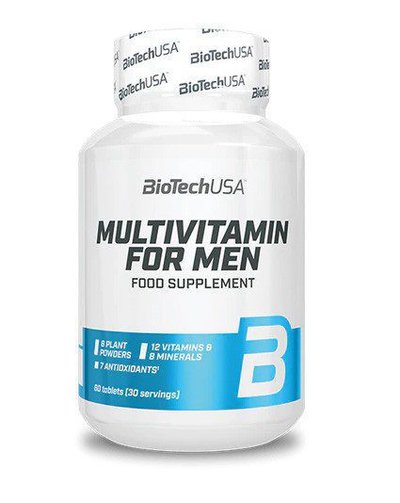 BIOTECHUSA Multivitamin for Men€17.90 In stock 60tab, and
 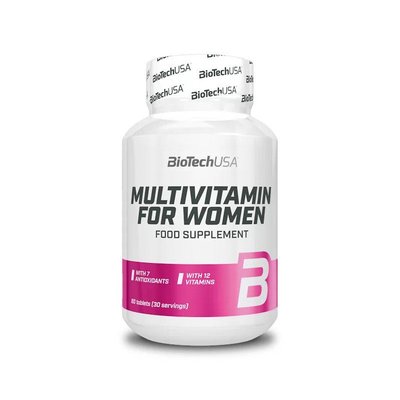 BIOTECHUSA Multivitamin for Women€18.90 In stock 60tab are available at maxfit.ee/en/category/multivitamiinid-vitamiinikompleksid and maxfit.ee/en/category/spordivitamiinid — check label ingredient quantities before combining with medications.
FAQ
Can I take a multivitamin every day safely?
For most healthy adults, yes. The risk profile of a standard multivitamin is low when taken as directed. The interactions described above become relevant primarily when other medications or high-dose single supplements are also being used.
Should I tell my doctor I take a multivitamin?
Yes, always. Many clinicians do not ask proactively, but the interactions with anticoagulants, thyroid medications, and antibiotics are clinically significant enough that disclosure is important.
Is an "athlete" multivitamin different from a regular one?
Sports multivitamins often contain higher doses of B vitamins (to support energy metabolism), more zinc and magnesium (lost in sweat), and sometimes additional antioxidants. The interaction profile is similar to standard multivitamins but with enhanced potential effects from the higher doses. The same precautions apply.
References
Booth, S. L., Golly, I., Sacheck, J. M., Roubenoff, R., Dallal, G. E., Hamada, K., & Blumberg, J. B. (2002). Effect of vitamin E supplementation on vitamin K status in adults with normal coagulation status. American Journal of Clinical Nutrition, 80(1), 143-148.
Solomons, N. W. (2001). Competitive interaction of iron and zinc in the diet: consequences for human nutrition. Journal of Nutrition, 116(6), 927-935.
Abelson, R., & Saul, S. (2007). Vitamin interactions: a systematic review. Journal of the American Medical Association, 297(5), 543-551.



