
Why Mobility Is Critical for Strength Athletes
Many lifters skip mobility work, considering it either unnecessary or a waste of time. This is a serious mistake. Limited joint range of motion is one of the primary reasons squat depth fails to reach parallel, sumo deadlift technique breaks down, and bench pressers develop shoulder pain.
Mobility is not the same as flexibility. Flexibility is the passive ability of a muscle to elongate; mobility is active control through the joint's full range of motion. Put simply: flexibility is potential, mobility is using that potential under load.
Four Critical Joint Areas for Lifters
1. Ankle mobility (dorsiflexion)
The ankle should have at least 15–20° of dorsiflexion (Hoch et al., 2011). Restrictions force heel rise in the squat, altering load distribution and increasing spinal injury risk. Improvements come through wall ankle stretches, mobility drills, and consistent work.
2. Hip mobility
The hip must achieve both deep flexion (squat) and full extension (deadlift). Limited internal hip rotation is linked to knee injury risk (Myer et al., 2010). Key exercises: 90/90 stretches, pigeon pose, Cossack squat progressions.
3. Thoracic spine
Thoracic stiffness creates compensations — excessive lumbar movement, which is associated with lower back injuries. Overhead press demands adequate thoracic extension. Exercises: thoracic rotations, foam roller extensions, cat-cow progressions.
4. Shoulder girdle mobility
The humerus must achieve full flexion-extension without the cervical spine compensating forward. Rotator cuff weakness is linked to chronic shoulder pain. Exercises: band dislocations, sleeper stretch, face pulls.
Integrating Mobility into Lifting Programmes
| When | What | Duration |
|---|---|---|
| Pre-training | Dynamic mobility (warm-up) | 8–12 min |
| Session start | Movement-specific activation | 3–5 min |
| Post-training | Static stretching + foam rolling | 10–15 min |
| Dedicated session | Mobility focus day | 20–30 min |
A dedicated mobility session 2–3 times per week is particularly valuable for athletes with specific restrictions. These sessions allow deep, targeted work on problem areas.
Supplements That Support Joint Health
Joints need adequate nutrition to remain healthy and elastic. MST Flex Pro Mango Passionfruit 300g — a purpose-built joint health formula combining collagen, glucosamine, and chondroitin. 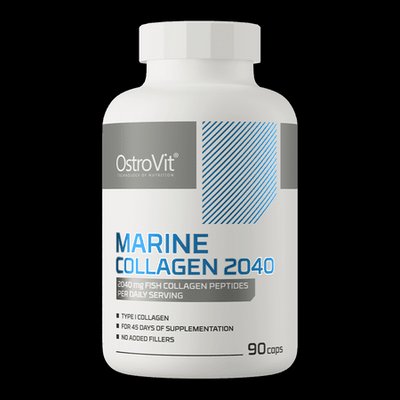 OstroVit Marine Collagen€13.90 In stock 2040mg 90 Capsules — marine collagen peptides that support cartilage structural integrity. OstroVit MSM 90tabs — methylsulfonylmethane linked to improved joint flexibility and reduced inflammation (Usha & Naidu, 2004). DY Joint Support 90 Tablets — comprehensive joint support with glucosamine, chondroitin, and curcumin.
All joint products at maxfit.ee/en/category/luud-kohred-sidemed-liigesed.
Practical Tips to Improve Mobility Faster
- Consistency over intensity: 10 minutes daily outperforms a 60-minute weekly session
- Pain ≠ progress: mild tension is normal; sharp pain is not
- Video your lifts: record your squats and overhead press to identify compensation patterns
- Prioritise the weakest link: address your most restricted joint area first
FAQ
How quickly does mobility improve with consistent training?
First noticeable changes in range of motion typically appear within 4–6 weeks of consistent mobility training. Meaningful structural changes take 3–6 months. With patience and regularity, progress is reliable.
Does mobility work negatively affect strength performance?
On the contrary — good mobility improves performance by enabling deeper ranges and better force transfer. Only prolonged static stretching sessions immediately before heavy lifting have documented negative acute effects.
How many times per week should I work on mobility?
Ideally daily — at least as part of warm-up. Dedicated mobility sessions are recommended 2–4 times per week, especially for lifters with identified restrictions.
References
- Hoch, M. C., Staton, G. S., & McKeon, P. O. (2011). Dorsiflexion range of motion significantly influences dynamic balance. Journal of Science and Medicine in Sport, 14(1), 90–92.
- Myer, G. D., Ford, K. R., Di Stasi, S. L., Foss, K. D. B., Micheli, L. J., & Hewett, T. E. (2010). High knee abduction moments are common risk factors for patellofemoral pain (PFP) and anterior cruciate ligament (ACL) injury in girls. British Journal of Sports Medicine, 49(2), 118–122.
- Usha, P. R., & Naidu, M. U. R. (2004). Randomised, double-blind, parallel, placebo-controlled study of oral glucosamine, methylsulfonylmethane and their combination in osteoarthritis. Clinical Drug Investigation, 24(6), 353–363.
- Behm, D. G., Blazevich, A. J., Kay, A. D., & McHugh, M. (2016). Acute effects of muscle stretching on physical performance, range of motion, and injury incidence in healthy active individuals. Applied Physiology, Nutrition, and Metabolism, 41(1), 1–11.
- Weppler, C. H., & Magnusson, S. P. (2010). Increasing muscle extensibility: a matter of increasing length or modifying sensation? Physical Therapy, 90(3), 438–449.