
What Is Magnesium Glycinate and Why Do Interactions Matter?
Magnesium glycinate (also called magnesium bisglycinate) is a chelated form of magnesium bound to two glycine molecules. It is widely used for its high bioavailability and gentle gastrointestinal profile compared to inorganic magnesium salts. However, like all bioactive compounds, magnesium glycinate can interact with certain drugs, compete with other nutrients for absorption, and be affected by specific foods.
Understanding magnesium glycinate interactions ensures you get the full benefit of supplementation while avoiding unintended effects on your medications or other nutrients.
Drug Interactions
Antibiotics (Fluoroquinolones and Tetracyclines)
Magnesium — in any form — forms poorly absorbed chelate complexes with fluoroquinolone antibiotics (e.g., ciprofloxacin, levofloxacin) and tetracyclines (e.g., doxycycline). Co-administration significantly reduces antibiotic absorption and may cause treatment failure (Neuvonen, 1976). Separate magnesium glycinate from fluoroquinolone or tetracycline antibiotics by at least 2 hours before or 4–6 hours after the antibiotic dose.
Bisphosphonates (Alendronate, Risedronate)
Bisphosphonates used for osteoporosis are poorly absorbed even under ideal conditions. Magnesium can further impair bisphosphonate absorption. Take bisphosphonates on an empty stomach, and separate from magnesium supplements by at least 2 hours.
Diuretics
- Loop diuretics (furosemide, ethacrynic acid): These drugs increase urinary magnesium excretion and can deplete body magnesium. People on loop diuretics may actually benefit from magnesium supplementation to compensate for losses, but dose adjustment should be guided by serum magnesium monitoring.
- Potassium-sparing diuretics (spironolactone, amiloride): These can reduce magnesium excretion; combined use with high-dose magnesium may increase risk of hypermagnesaemia in people with impaired kidney function.
Proton Pump Inhibitors (PPIs)
Long-term use of PPIs (omeprazole, lansoprazole) is associated with hypomagnesaemia (low magnesium). Magnesium glycinate supplementation is often recommended for people on long-term PPIs, but the underlying cause is impaired intestinal magnesium absorption — higher doses may be needed compared to people with normal gastric acid.
Muscle Relaxants and CNS Depressants
Magnesium at high doses can potentiate neuromuscular blockade. This is primarily a concern with intravenous magnesium in clinical settings, but oral high-dose supplementation combined with muscle relaxants warrants attention if you are managing a neuromuscular condition.
Thyroid Medications (Levothyroxine)
Magnesium may reduce levothyroxine absorption. Take levothyroxine on an empty stomach and separate from magnesium supplementation by at least 4 hours.
Nutrient Competition and Synergy
Calcium
Calcium and magnesium compete for absorption via shared transport mechanisms (particularly the TRPM6/TRPM7 channels). Very high calcium intake can reduce magnesium absorption and vice versa. This does not mean they cannot be taken together — typical supplement doses of each are unlikely to cause clinically significant competition — but taking megadoses of both simultaneously is not optimal. If you supplement both, slightly staggering doses (a few hours apart) may improve net absorption.
Zinc
High-dose zinc supplementation can decrease magnesium absorption. A study showed that supplemental zinc at doses above dietary levels can interfere with magnesium retention (Caulfield et al., 1993). If you supplement zinc and magnesium, take them at different times of day or use a formulation that controls the ratio.
Vitamin D and Magnesium Synergy
Magnesium is a cofactor for vitamin D metabolism — both activation (in the liver and kidney) and biological function. Adequate magnesium status supports effective vitamin D utilisation. Low magnesium can impair the conversion of vitamin D to its active form. People supplementing high-dose vitamin D who are also magnesium deficient may see blunted vitamin D effects (Uwitonze & Razzaque, 2018).
Vitamin B6
Vitamin B6 has been shown to enhance magnesium cellular uptake. Products combining magnesium with B6 — such as DY Organic Mg + Vitamin B6 Tablets available at maxfit.ee/en/category/magneesium-glutsinaat — may offer practical synergistic benefit. OstroVit Magnesium Glycinate 90caps and BIOTECHUSA Magnesium + Chelate 60caps are further options at the same link. 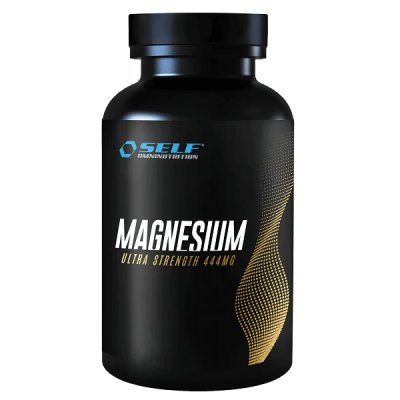 SELF Magnesium Ultra Strength€17.90 In stock 90caps is another available option.
Food Effects
Phytates (Whole Grains, Legumes, Seeds)
Phytic acid found in whole grains and legumes binds magnesium in the gut and reduces its absorption. This is more relevant for magnesium from food sources than for chelate forms like glycinate, but if you take magnesium glycinate alongside a high-phytate meal, some reduction in absorption is possible.
High Fibre Meals
Very high dietary fibre can speed gut transit and slightly reduce mineral absorption time. This effect is modest and generally outweighed by the overall health benefits of fibre.
Alcohol
Alcohol increases urinary magnesium excretion. People with high alcohol intake are at greater risk of magnesium depletion. Taking magnesium glycinate alongside regular alcohol consumption may partially offset losses, but addressing alcohol intake is the more important intervention.
Who Must Be Particularly Cautious
- People with kidney disease — the kidneys regulate magnesium excretion; impaired renal function increases the risk of magnesium accumulation (hypermagnesaemia)
- People on multiple medications — antibiotics, diuretics, PPIs, levothyroxine are the main interaction classes
- People with neuromuscular conditions on muscle relaxants
- Elderly adults — reduced renal function and increased polypharmacy risk
Practical Rules
- Take magnesium glycinate away from antibiotics (fluoroquinolones, tetracyclines): at least 2 hours before or 4–6 hours after.
- Separate from levothyroxine by at least 4 hours.
- Consider vitamin D synergy — if supplementing both, ensure magnesium is adequate first.
- Stagger zinc and calcium supplements by a few hours if taking high doses of both.
- Check kidney function if you have pre-existing renal concerns before using high-dose magnesium.
- Inform your doctor if you are on PPIs long-term — magnesium supplementation is often warranted but the right dose depends on serum monitoring.
References
- Neuvonen, P. J. (1976). Interactions with the absorption of tetracyclines. Drugs, 11(1), 45-54. https://pubmed.ncbi.nlm.nih.gov/946598/
- Caulfield, L. E., Zavaleta, N., Shankar, A. H., & Merialdi, M. (1993). Potential contribution of maternal zinc supplementation during pregnancy to maternal and child survival. American Journal of Clinical Nutrition, 68(2 Suppl), 499S-508S.
- Uwitonze, A. M., & Razzaque, M. S. (2018). Role of Magnesium in Vitamin D Activation and Function. Journal of the American Osteopathic Association, 118(3), 181-189. https://pubmed.ncbi.nlm.nih.gov/29480918/
FAQ
When is the best time to take magnesium glycinate?
For most people, the evening is ideal — magnesium glycinate supports relaxation and sleep quality, and there are fewer interactions with food at that time. If you are on morning medications with known magnesium interactions (antibiotics, levothyroxine), taking magnesium in the evening automatically provides separation.
Can I take magnesium glycinate with vitamin D and omega-3 at the same time?
Yes — taking magnesium glycinate, vitamin D, and omega-3 together is generally well tolerated and may offer synergistic benefit. Vitamin D and magnesium have a well-established co-factor relationship; omega-3 fatty acids do not have known interactions with magnesium absorption.
Does food affect magnesium glycinate absorption?
Magnesium glycinate, as a chelated form, is less affected by food components like phytates than inorganic magnesium salts (oxide, sulfate). Taking it with or without food is generally acceptable, though a small protein- or carbohydrate-containing meal may slightly enhance absorption by stimulating digestive secretions.



