
Why Magnesium Needs Increase After 50
Magnesium is one of the body's most critical minerals — it is involved in over 300 enzymatic reactions, including regulation of muscle function, energy production, heart rhythm, and bone density. After the age of 50, several important changes occur:
- Intestinal absorption capacity decreases with age.
- Renal magnesium reabsorption declines — more is lost via urine.
- Medication use increases — some of the most commonly prescribed drugs (diuretics, proton pump inhibitors, diabetes medications) increase magnesium excretion.
- Food intake decreases — older adults often eat less.
These factors combined make older adults particularly susceptible to suboptimal magnesium status (Maier et al., 2003).
Magnesium Glycinate: Why This Form Suits Seniors
Several forms of magnesium exist — oxide, citrate, malate, glycinate, and others. Magnesium glycinate is magnesium bound to glycine (an amino acid). This combination offers several advantages:
| Magnesium Form | GI Tolerance | Absorption |
|---|---|---|
| Oxide | Poor, laxative effect | Low |
| Citrate | Good | Good |
| Glycinate | Excellent | High |
| Malate | Good | Good |
The chelated glycinate form is considered one of the best-absorbed and least GI-irritating magnesium forms — which is particularly important for older adults.
Dosing and Safety
The recommended daily magnesium intake for adults increases with age. A typical supplement dose for older adults is 200–400 mg of elemental magnesium per day, ideally split into 2–3 smaller doses to optimise absorption.
Magnesium glycinate is generally well tolerated. Excess intake may cause a laxative effect — this is a signal to reduce the dose. Very high doses (above 700 mg per day short-term) have been associated with muscle weakness, blood pressure drops, and heart rhythm disturbances, particularly in people with impaired kidney function (de Baaij et al., 2015).
Interactions with Medication
Polypharmacy (using multiple medications simultaneously) is common in older adults. Key interactions to be aware of:
- Diuretics (e.g. furosemide, hydrochlorothiazide) — increase magnesium excretion, raising needs.
- Proton pump inhibitors (e.g. omeprazole) — prolonged use has been associated with low magnesium levels.
- Calcium channel blockers — magnesium has an additional blood pressure-lowering effect; combination may excessively lower blood pressure.
- Antibiotics and tetracyclines — magnesium reduces their absorption; take magnesium at least 2 hours before or after the antibiotic.
Note: this is not medical advice. If you take regular medications, consult a physician before starting a magnesium supplement.
When Magnesium Glycinate Is Particularly Relevant for Seniors
- Muscle cramps at night and after exercise
- Sleep disturbances and poor sleep quality
- Fatigue and low energy levels
- Bone health support alongside vitamin D (magnesium activates vitamin D)
- Complementary blood pressure support in the context of cardiovascular health
Products at maxfit.ee
At maxfit.ee you will find DY Organic Mg + Vitamin B6 Tablets, BIOTECHUSA Magnesium + Chelate 60caps,  SELF Magnesium Ultra Strength€17.90 In stock 90caps, and
 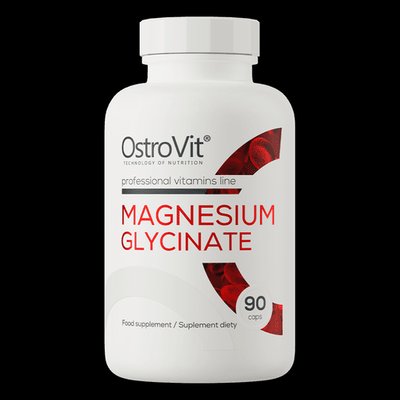 OstroVit Magnesium Glycinate€11.90 In stock 90caps — well-suited options for meeting older adults' magnesium needs.
Browse the full magnesium glycinate category at maxfit.ee.
Summary
Magnesium glycinate is one of the best magnesium forms for older adults — with high bioavailability, good GI tolerance, and the added benefit of glycine. Monitoring magnesium status and supplementing when needed after the age of 50 is well justified.
FAQ
Is magnesium glycinate better for seniors than magnesium oxide?
Yes. Magnesium oxide is less well tolerated by older adults (laxative effect) and absorbs poorly. Glycinate is widely considered the better choice due to GI sensitivity and superior absorption.
Does magnesium supplementation affect heart rhythm?
Magnesium is involved in regulating heart rhythm. At normal doses it supports cardiac electrical stability. Excess intake, especially in people with kidney disease, may cause disturbances — consult a physician.
What is the best time of day to take magnesium glycinate?
Many older adults find that taking an evening dose before bed supports sleep quality. Larger doses should be split across the day.
References
Maier, J. A., Malpuech-Brugere, C., Zimowska, W., Rayssiguier, Y., & Mazur, A. (2003). Low magnesium promotes endothelial cell dysfunction: implications for atherosclerosis, inflammation and thrombosis. Biochimica et Biophysica Acta, 1689(1), 13-21.
de Baaij, J. H., Hoenderop, J. G., & Bindels, R. J. (2015). Magnesium in man: implications for health and disease. Physiological Reviews, 95(1), 1-46.



