
Magnesium Citrate for Vegans & Vegetarians: A Practical Guide
Magnesium citrate is a popular form of magnesium supplementation, and for good reason — it combines relatively strong bioavailability with good digestive tolerance, making it a practical choice for vegans and vegetarians who want to address potential dietary gaps.
Why Plant-Based Diets May Fall Short on Magnesium
Magnesium is found in many vegan foods — seeds, legumes, leafy greens, and whole grains are all meaningful sources. However, the actual amount absorbed from these foods is lower than the total content suggests, primarily because plant foods contain phytic acid, which binds to magnesium and limits its uptake in the small intestine.
A cross-sectional survey in European adults found that a substantial portion of the population consumes less magnesium than recommended, and plant-based eaters who avoid animal products may have a narrower margin of adequacy (Volpe, 2013). This does not mean deficiency is inevitable on a vegan diet, but it does mean that monitoring magnesium status is worthwhile, particularly for athletes and those under physical or psychological stress.
Why Magnesium Citrate Specifically?
Not all magnesium salts are equally absorbed. Magnesium oxide — the most common form in cheap supplements — has relatively low bioavailability. Organic acid salts like citrate and glycinate are absorbed more completely under typical gut conditions.
A comparative study found that magnesium citrate produced higher serum magnesium levels than magnesium oxide over a four-week supplementation period. For vegans whose dietary magnesium may already be borderline, choosing a well-absorbed form makes a meaningful difference.
Magnesium citrate also has a mild laxative effect, which some find helpful and others prefer to avoid. This is dose-dependent: at moderate doses the effect is usually minor, but at higher doses it becomes more pronounced — which is why magnesium citrate is also used medically as a bowel preparation agent.
Vegan-Friendly Sources of Magnesium
Before supplementing, it is worth knowing which plant foods contribute most:
- Seeds and nuts: Pumpkin seeds, chia seeds, hemp seeds, and almonds are particularly rich
- Leafy greens: Spinach, Swiss chard, and kale contain meaningful amounts
- Legumes: Black beans, edamame, and lentils are reliable sources
- Dark chocolate: A pleasantly practical source for those who enjoy it
Soaking and fermenting legumes and grains reduces their phytic acid content, partially improving mineral availability.
Dose Targets
For adult vegans and vegetarians who want to use magnesium citrate as a dietary top-up:
- Starting range: Moderate daily supplementation is common in practice. Start at the lower end of the product's recommended dose range and increase gradually if needed.
- Timing: Magnesium is often taken in the evening, as it supports muscle relaxation and sleep quality. Splitting the dose (morning and evening) can reduce the risk of digestive discomfort.
- With food: Taking magnesium citrate with a meal tends to reduce the risk of loose stools.
These are general orientation figures — individual needs vary and blood testing is the only reliable way to confirm your status.
What to Combine With Magnesium Citrate
- Vitamin B6 (P-5-P): B6 may enhance cellular magnesium uptake and reduces urinary losses, making the combination more effective than magnesium alone. Many dedicated magnesium supplements include B6 for this reason.
- Vitamin D: Vitamin D supports intestinal magnesium absorption. The two deficiencies commonly co-occur in Northern Europe, including Estonia.
- Zinc: Another mineral that may be lower in plant-based diets. A combined assessment of magnesium and zinc status is sensible for vegans.
Choosing a Vegan-Friendly Magnesium Citrate Product
Key things to check on the label:
- Capsule material: Genuine vegan products use HPMC (plant-derived cellulose) or starch capsules, not gelatin.
- Confirmed citrate form: The label should state magnesium citrate, not just magnesium. Products may contain blends — check the actual form.
- Elemental magnesium content: The dose listed should refer to elemental magnesium (the actual mineral), not the total weight of the salt compound.
At maxfit.ee in the magnesium citrate category you can browse options including OstroVit Magnesium Citrate 200g Naturaalne, SELF Potassium Magnesium 120 vegan caps, 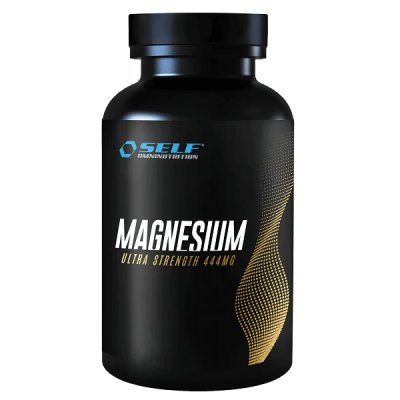 SELF Magnesium Ultra Strength€17.90 In stock 90caps, and ICONFIT Capsules Magnesium B6 90caps. SELF and ICONFIT both explicitly label their products for vegan use.
FAQ
Is magnesium citrate better than glycinate for vegans?
Both are well-absorbed organic salts. Citrate is more widely available and generally costs less; glycinate may be gentler on the digestive system for those who find citrate too laxative. For most vegans, citrate is a practical and cost-effective first choice.
Can I use magnesium citrate powder instead of capsules?
Yes. Powder forms dissolved in water are absorbed at least as well as capsules and allow flexible dosing. The taste is mildly sour due to the citric acid. Some products mix well with plain water; others are flavoured. Check that the powder product does not contain any non-vegan additives.
How do I know if I need magnesium supplementation?
Common signs of sub-optimal magnesium status include muscle cramps or twitches, poor sleep quality, fatigue, and irritability. However, these symptoms are non-specific. A serum magnesium blood test gives a clearer picture, though tissue deficiency can exist even when serum levels appear normal.
References
Volpe, S. L. (2013). Magnesium in disease prevention and overall health. Advances in Nutrition, 4(3), 378S-383S. https://pubmed.ncbi.nlm.nih.gov/23674807/



