Lecithin Research Update: What the Evidence Shows
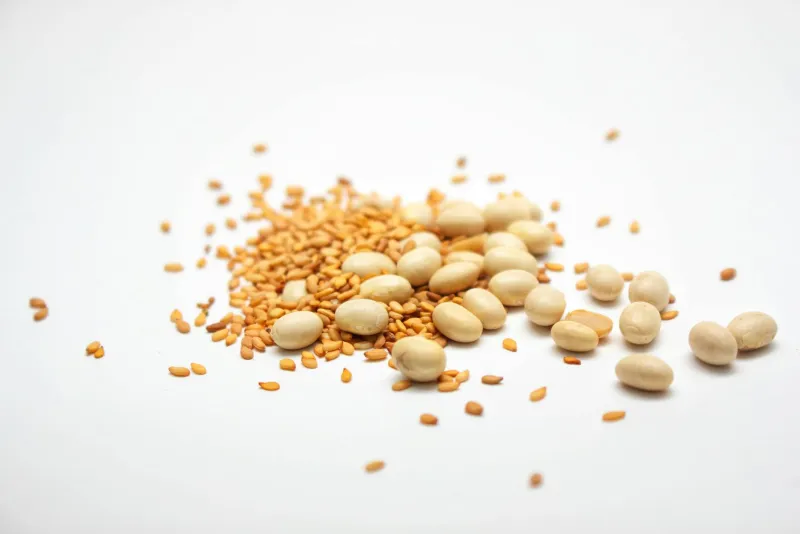
Lecithin is a naturally occurring mixture of phospholipids found primarily in egg yolks, soybeans, and sunflower seeds. Its primary bioactive component is phosphatidylcholine (PC), which serves as both an essential structural component of cell membranes and a major dietary source of choline. Lecithin supplements are among the most widely consumed worldwide, used for liver support, cognitive function, cardiovascular health, and as a food-grade emulsifier.
What Recent Trials Show
The clearest area of evidence concerns lecithin as a choline source and its role in liver health. Choline is an essential nutrient involved in fat transport from the liver; deficiency leads to non-alcoholic fatty liver disease (NAFLD) in animal models and is associated with liver steatosis in humans. A review by Corbin & Zeisel (2012) established choline's metabolic necessity and positioned lecithin as an effective dietary choline vehicle (Corbin & Zeisel, 2012).
For cognitive function, the evidence is more mixed. The rationale is sound: choline from lecithin is converted to acetylcholine, a neurotransmitter involved in memory and muscle control. A meta-analysis by Poly et al. (2011) found that higher choline intake was associated with better cognitive performance in population cohorts (Poly et al., 2011). However, randomized controlled trials with lecithin supplementation specifically for cognitive outcomes in healthy adults have shown inconsistent results -- improvements tend to be marginal in people without a choline deficiency.
For cardiovascular outcomes, lecithin's role is nuanced. While PC is a component of HDL particles, the relationship between supplemental lecithin and cardiovascular risk is complicated by research showing that gut bacteria convert some choline compounds (including TMAO precursors from lecithin) to trimethylamine N-oxide, a compound associated with cardiovascular risk. Koeth et al. (2013) demonstrated this pathway in a landmark study, adding complexity to blanket recommendations for lecithin supplementation (Koeth et al., 2013).
Shifts in Consensus
The TMAO finding has been a significant shift in consensus. Earlier portrayal of lecithin as unconditionally cardioprotective has been tempered by recognition that the cardiovascular effect depends substantially on gut microbiome composition. People with microbiomes that produce more TMAO from choline may derive different cardiovascular outcomes from lecithin supplementation compared to those with TMAO-minimizing microbiomes.
Consensus has also grown around lecithin's value in specific clinical populations: breastfeeding women (for whom choline needs are elevated), people with choline-deficient diets (common in vegans who avoid eggs), and individuals with fatty liver or impaired fat transport.
Still-Open Questions
- TMAO clinical significance: The association between dietary TMAO and cardiovascular events is epidemiological; whether reducing dietary choline or lecithin meaningfully reduces cardiovascular event rates in clinical trials is not established.
- Cognitive benefit in healthy adults: Can lecithin supplementation produce cognitive improvements in non-deficient, healthy individuals? Current evidence does not strongly support this.
- Sunflower versus soy lecithin: Most research used soy lecithin. Sunflower lecithin (preferred by those avoiding soy) has a similar PC profile but has been less studied.
- Optimal dose for liver support: The dose range in supportive liver studies varies widely and an optimal dose for supplemental use in humans is not clearly defined.
What It Means Practically
- Choline adequacy first: For most purposes, lecithin is most valuable as a choline source for people who don't get enough from eggs, meat, and dairy.
- Liver support: For those with elevated liver enzymes or fatty liver risk, lecithin may offer a complementary nutritional approach alongside dietary modification -- always in discussion with a healthcare provider.
- Cognitive expectations: In healthy people with adequate choline intake, lecithin supplementation is unlikely to produce noticeable cognitive improvements.
- Vegan users: Vegans are at elevated risk for choline deficiency; soy or sunflower lecithin provides a plant-based choline source. Browse lecithin and choline supplements in the lecithin category at maxfit.ee.
- Emulsification benefits: Lecithin's emulsifier properties may assist fat digestion in individuals with bile acid insufficiency, though this use is largely practical rather than strongly evidence-based.
Bottom Line
Lecithin is best understood as a choline-delivery vehicle with the most established utility in populations at risk for choline deficiency and fatty liver. Its cardiovascular and cognitive benefits in healthy, adequately nourished adults are less clear-cut than once thought, partly due to TMAO metabolism complexity. It remains a safe, well-tolerated supplement with a strong safety record and a niche but real clinical use case.
References
Corbin, K. D., & Zeisel, S. H. (2012). Choline metabolism provides novel insights into non-alcoholic fatty liver disease and its progression. Current Opinion in Gastroenterology, 28(2), 159-165. https://pubmed.ncbi.nlm.nih.gov/22134222/
Poly, C., Massaro, J. M., Seshadri, S., Wolf, P. A., Cho, E., Krall, E., & Jacques, P. F. (2011). The relation of dietary choline to cognitive performance and white-matter hyperintensity in the Framingham Offspring Cohort. American Journal of Clinical Nutrition, 94(6), 1584-1591. https://pubmed.ncbi.nlm.nih.gov/22071706/
Koeth, R. A., Wang, Z., Levison, B. S., Buffa, J. A., Org, E., Sheehy, B. T., & Hazen, S. L. (2013). Intestinal microbiota metabolism of L-carnitine, a nutrient in red meat, promotes atherosclerosis. Nature Medicine, 19(5), 576-585. https://pubmed.ncbi.nlm.nih.gov/23563705/
FAQ
Is lecithin good for the brain?
Lecithin supplies choline, which is converted to the neurotransmitter acetylcholine and is important for memory and learning. In people with low choline intake, increasing it through lecithin or diet may support cognitive function. In people with already adequate choline status, the additional cognitive benefit of supplementation is not well established.
Does lecithin support liver health?
Choline is essential for hepatic fat metabolism, and choline deficiency is linked to fatty liver. Lecithin as a choline source may therefore support liver health in deficient individuals. Whether supplemental lecithin benefits people with already adequate choline intake is less clear. Anyone with liver concerns should discuss supplementation with their healthcare provider.
Can I take lecithin if I avoid soy?
Sunflower lecithin is a soy-free alternative with a similar phospholipid profile. It is increasingly available and preferred by those with soy allergies or preferences. Most studies have used soy lecithin, but sunflower lecithin is expected to have comparable choline-delivery properties based on its phosphatidylcholine content.



