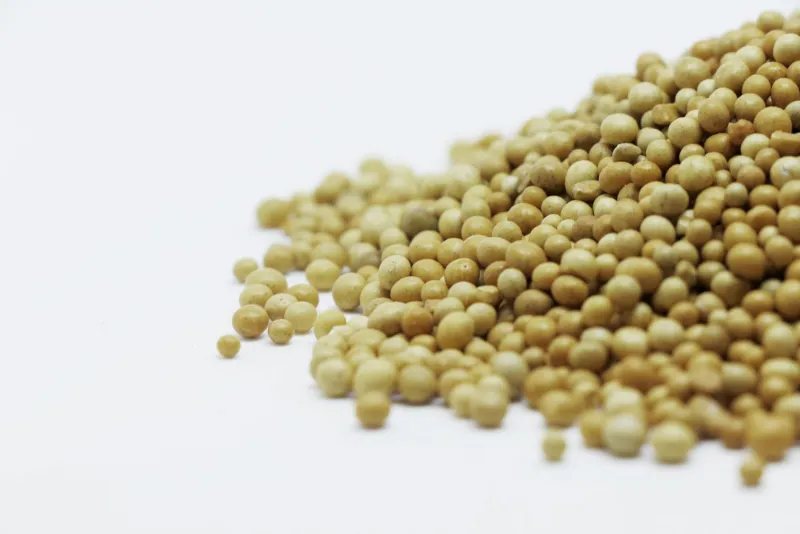
L-Lysine Benefits: Evidence-Backed Effects
L-lysine is an essential amino acid, meaning the human body cannot synthesise it and it must be obtained through diet or supplementation. It is found in high concentrations in animal proteins — meat, fish, dairy, and eggs — and in lower amounts in most plant foods, making it a common limiting amino acid in plant-based diets. Beyond its role as a protein building block, l-lysine has several specific functions with evidence behind them.
Primary Evidenced Benefits
Collagen Synthesis
Lysine is a required precursor for the synthesis of collagen and connective tissue. It undergoes enzymatic hydroxylation in the collagen formation process, and the resulting hydroxylysine is essential for cross-linking collagen fibres — the mechanism that gives connective tissue its tensile strength. Adequate lysine is therefore functionally relevant for skin, bone, cartilage, and wound healing.
This is not just theoretical: lysine deficiency has been shown to impair collagen formation in animal models, and it is considered one of the rate-limiting factors in collagen synthesis when dietary intake is low.
Calcium Absorption
Lysine appears to enhance intestinal calcium absorption and reduce urinary calcium excretion. Human studies have investigated this relationship, and some evidence suggests that lysine may augment calcium retention, which is relevant for bone health (Civitelli et al., 1992). This effect is particularly relevant in populations with low calcium intake or risk of osteoporosis.
Herpes Simplex Virus Support
One of the most studied specific applications of lysine supplementation is in managing recurrent herpes simplex virus (HSV) outbreaks — both oral (cold sores) and genital herpes. The mechanism involves competition with arginine: lysine and arginine share transport mechanisms, and high lysine availability may reduce arginine availability, which the virus requires for replication.
Several clinical trials and a meta-analysis have found that lysine supplementation reduces the frequency, duration, and severity of herpes outbreaks compared to placebo (Griffith et al., 1987). This is one of the more evidence-supported specific applications of any single amino acid supplement.
Secondary and Emerging Effects
Growth Hormone and Insulin Release
Lysine combined with arginine has been studied in some trials for its effect on growth hormone release. Some data suggest that oral lysine administration may modestly stimulate growth hormone and insulin secretion. The practical significance of this for healthy adults is unclear — the effects observed are small and the conditions studied are not always representative of typical supplementation scenarios.
Anxiety
Some human studies have found that lysine supplementation may reduce anxiety, possibly by interacting with serotonin receptors and the stress-response system. A randomised trial in a population with low dietary lysine found that supplementation reduced anxiety scores and normalised stress hormone responses (Smriga et al., 2004). This is an interesting emerging area but is not a primary indication.
Where Evidence Is Weak
Lysine is sometimes marketed as a general performance booster or muscle-building supplement on the basis of its role as an amino acid. For individuals already meeting protein requirements through diet, additional lysine is unlikely to produce meaningful additional muscle or performance gains beyond what total protein adequacy already provides.
Who Gains Most
L-lysine supplementation is most likely to offer benefit to:
- Individuals eating plant-based diets low in lysine-rich foods (legumes are the best plant source, but some diets are still inadequate)
- Those who experience recurrent herpes simplex outbreaks
- People with documented low calcium intake or concerns about bone density
- Athletes or active individuals who may have increased collagen turnover demands
NOW L-Lysine 1000mg 100tabs and OstroVit Lysine 200g are available at maxfit.ee/en/category/lusiin.
Realistic Expectations
Lysine is a foundational amino acid with specific evidence for HSV management, collagen support, and calcium absorption. It is not a stimulant and will not produce noticeable acute effects. Its benefits are primarily structural and cumulative — supporting the body's maintenance and repair processes over time. For most people eating adequate animal protein, additional lysine supplementation is not necessary. For those with specific deficits or the HSV application, it is one of the more evidence-based amino acid supplements.
FAQ
How much L-lysine should I take for herpes outbreaks?
Trials studying HSV have used a range of doses. Follow the guidance of your healthcare provider and product labelling. Reducing dietary arginine (found in nuts, chocolate, and seeds) alongside lysine supplementation is often recommended in this context.
Is L-lysine good for athletes?
For athletes meeting protein requirements through diet, lysine supplementation adds modest additional benefit. It may be more relevant for athletes following plant-based diets, where lysine is the most limiting essential amino acid, or for those interested in supporting connective tissue and collagen health during high training loads.
Can I get enough L-lysine from food?
Yes, if you eat animal protein regularly — meat, fish, eggs, and dairy are all rich sources. Plant-based diets can meet lysine needs if they include adequate legumes (beans, lentils, soy). Restrictive diets that are very low in both animal protein and legumes are most at risk of lysine inadequacy.
References
Civitelli, R., Villareal, D. T., Agnusdei, D., Nardi, P., Avioli, L. V., & Gennari, C. (1992). Dietary L-lysine and calcium metabolism in humans. Nutrition, 8(6), 400-405. https://pubmed.ncbi.nlm.nih.gov/1486246/
Griffith, R. S., DeLong, D. C., & Nelson, J. D. (1987). Relation of arginine-lysine antagonism to herpes simplex growth in tissue culture. Chemotherapy, 27(3), 209-213.
Smriga, M., Ando, T., Akutsu, M., Furukawa, Y., Miwa, K., & Morinaga, Y. (2004). Oral treatment with L-lysine and L-arginine reduces anxiety and basal cortisol levels in healthy humans. Biomedical Research, 25(2), 85-90.



