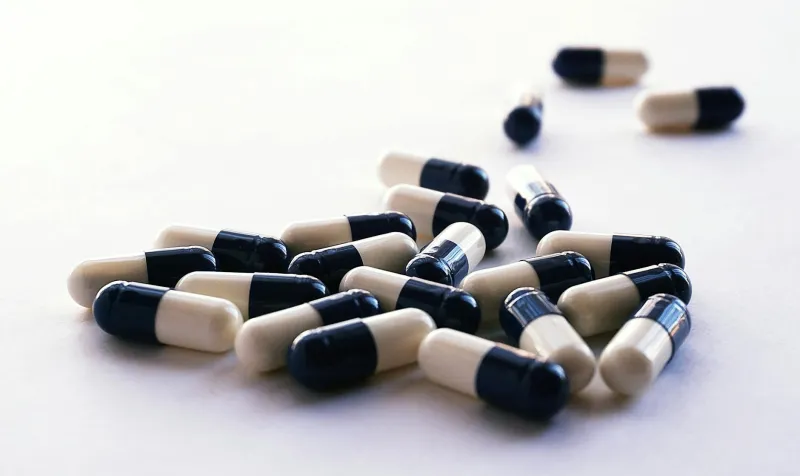
Is Long-Term L-Carnitine Use Safe?
L-carnitine is a naturally occurring compound synthesised from the amino acids lysine and methionine. Its primary physiological role is shuttling long-chain fatty acids into mitochondria for oxidation. As a supplement, it is used for fat-burning support, exercise performance, and — in vegans who consume less dietary carnitine from animal sources — to maintain adequate tissue levels. Many athletes use it continuously for extended periods. This article reviews what long-term studies show about safety, discusses upper limits, addresses the question of cycling, covers monitoring including the TMAO consideration, and gives an honest verdict.
What Long-Term Studies Show
L-carnitine has a well-established safety profile supported by clinical studies extending over months to years. It is used medically as a standard treatment for certain metabolic disorders (carnitine deficiency) and in dialysis patients, where it is administered long-term at doses of 1–3 g per day without toxicity concerns. A review of supplemental L-carnitine safety in human studies concluded that oral doses up to 3 g/day were consistently well tolerated in healthy adults with no reported significant adverse effects on liver, kidney, or cardiovascular markers (Brass, 2000).
For athletic populations, most studies of L-carnitine supplementation run 4–12 weeks, which limits the long-term data set compared with clinical settings. However, the absence of a biological mechanism for cumulative toxicity (carnitine is a normal body constituent handled by routine renal excretion) provides additional reassurance.
Upper Safe Limits Over Time
Oral doses of up to 2–3 g per day are the range most used in human trials and are considered within the safe tolerance for healthy adults based on available evidence. There is no regulatory tolerable upper intake level (UL) established for carnitine in healthy populations, reflecting the absence of documented harm at doses in this range. Very high doses (above 5 g per day) can cause gastrointestinal side effects — principally nausea and diarrhoea — which effectively self-limit intake.
Do You Need to Cycle?
There is no established physiological rationale for cycling L-carnitine in healthy individuals. Carnitine metabolism is governed by dietary intake, endogenous synthesis, renal reabsorption (which is highly efficient), and urinary excretion. There is no receptor desensitisation, negative feedback on synthesis, or dependency mechanism that would be relevant. Continuous use at normal supplemental doses does not impair the body's own carnitine handling capacity.
The TMAO Question
A topic that has received scientific attention is whether dietary carnitine contributes to elevated levels of trimethylamine N-oxide (TMAO), a gut-microbiota-derived metabolite linked to cardiovascular risk in observational studies. Research has shown that gut bacteria can convert L-carnitine to TMAO (Koeth et al., 2013). However, the clinical significance of TMAO from supplemental carnitine in people eating a varied diet is debated — the association between TMAO and cardiovascular events is strongest in clinical populations with pre-existing disease, and the effect of supplemental carnitine on TMAO in healthy athletes has not produced consistent or clinically alarming elevations in small trials. This remains an open question, not a settled contraindication. A plant-rich diet supports a gut microbiome that produces less TMAO from carnitine, which may be relevant for frequent, high-dose users.
Monitoring
For healthy active adults taking standard L-carnitine doses, no specific laboratory monitoring is required. If you have cardiovascular risk factors and use carnitine continuously at higher doses, discussing this with your physician is reasonable given the TMAO discussion above, though current evidence does not mandate any specific test. For athletes supplementing carnitine over many years, periodic review of the evolving TMAO literature is worth maintaining.
Products such as OstroVit L-Carnitine 1250 60caps, ICONFIT Capsules L-Carnitine 90caps, OstroVit L-Carnitine 210g Naturaalne, and MyProtein L-Carnitine 180tabs are available in the L-carnitine category at maxfit.ee.
Honest Verdict
Long-term L-carnitine use at typical sports-nutrition doses (1–2 g/day) has a reasonable safety record for healthy adults. The TMAO question is a genuine scientific consideration but not a definitive contraindication for healthy athletes at these doses. No cycling is needed, and no special monitoring is required for those without cardiovascular risk factors. In terms of effectiveness for fat oxidation, the evidence in healthy omnivores is modest; benefits may be more apparent in vegans or vegetarians who start with lower tissue carnitine levels.
FAQ
Is L-carnitine safe to take every day for years?
The available evidence supports daily use at typical supplement doses (1–2 g/day) in healthy adults without documented long-term harm. Clinically it has been used at higher doses for years in specific patient populations. No cycling is physiologically required.
Does L-carnitine actually help burn fat?
In healthy athletes who already have adequate dietary carnitine intake (mostly omnivores), the additional fat-oxidation effect of supplemental carnitine is modest and inconsistent across trials. The effect may be larger for vegans or vegetarians with lower carnitine status, and in specific exercise conditions (lower-intensity exercise where fat oxidation is the predominant energy pathway).
Should I worry about TMAO from L-carnitine?
The TMAO concern is scientifically legitimate but not a settled reason to avoid carnitine for most healthy athletes. The link between TMAO and cardiovascular risk is most convincing in populations with existing disease. A varied diet with plenty of plant foods, which supports a diverse gut microbiome, is a reasonable co-strategy if you use carnitine long-term.
References
Brass, E. P. (2000). Supplemental carnitine and exercise. The American Journal of Clinical Nutrition, 72(2 Suppl), 618S-623S.
Koeth, R. A., Wang, Z., Levison, B. S., Buffa, J. A., Org, E., Sheehy, B. T., Britt, E. B., Fu, X., Wu, Y., Li, L., Smith, J. D., DiDonato, J. A., Chen, J., Li, H., Wu, G. D., Lewis, J. D., Warrier, M., Brown, J. M., Krauss, R. M., ... Hazen, S. L. (2013). Intestinal microbiota metabolism of L-carnitine, a nutrient in red meat, promotes atherosclerosis. Nature Medicine, 19(5), 576-585. https://pubmed.ncbi.nlm.nih.gov/23563705/



