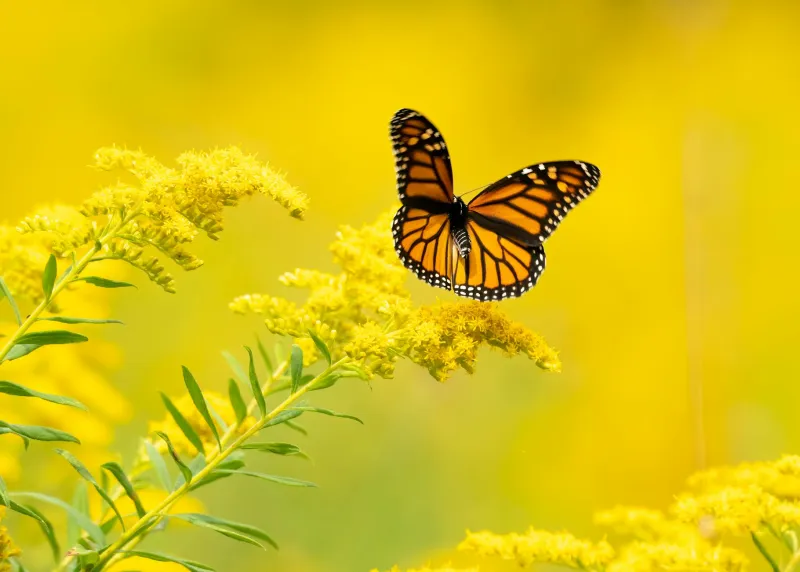
What Is Goldenrod?
European goldenrod (Solidago virgaurea) is a native European plant used in traditional medicine for centuries — primarily for urinary tract issues. Unlike many herbal supplements, goldenrod has official recognition: the EMA (European Medicines Agency) has classified it as a traditional herbal medicine for urinary tract flushing therapy.
This does not mean goldenrod cures kidney infections. It means that long-term traditional use and existing data are sufficient to permit its marketing for a specific indication.
Who Is This Guide For?
This article is for people looking for natural urinary tract support — especially those who experience recurrent bladder infections and athletes who want to support kidney function with an active lifestyle.
TL;DR
- Goldenrod is recognized by the EMA as a traditional herbal medicine for urinary tract flushing
- Key bioactive compounds: flavonoids (rutin, quercetin derivatives) and saponins
- Mechanism: diuretic (increases urine production) and anti-inflammatory
- Tea: 3-5g dried herb in 150ml boiling water, steep 10-15 min, 3-4 cups daily
- Capsules: 350-700mg 3x daily
- Always combine with adequate fluid intake — at least 2 liters per day
- Do not use in cases of kidney failure
Why This Matters
Urinary tract infections (UTIs) are among the most common infections — especially in women. Antibiotic overuse is a serious concern. Herbal diuretics like goldenrod offer a supportive role — not replacing antibiotics, but complementing treatment and helping prevent recurrent infections through flushing therapy.
How Goldenrod Works
Goldenrod's effects are based on multiple mechanisms (Melzig, 2004):
- Diuretic effect — increases urine production, helping "flush" the urinary tract
- Spasmolytic effect — relaxes smooth muscles of the urinary tract
- Anti-inflammatory effect — flavonoids suppress inflammatory mediators
- Antimicrobial effect — moderate activity against certain pathogens in vitro
Bioactive Compounds
| Compound group | Main substances | Effect |
|---|---|---|
| Flavonoids | Rutin, quercetin, kaempferol derivatives | Anti-inflammatory, antioxidant |
| Saponins | Virgaureasaponin | Diuretic |
| Phenolic acids | Chlorogenic acid, caffeic acid | Antioxidant |
| Essential oils | In small amounts | Antimicrobial |
Evidence
Melzig (2004) reviewed the data on goldenrod's urological use. The main conclusion: traditional use is well documented and the safety profile is favorable, but large clinical trials are lacking.
Gross et al. (2002) studied goldenrod's in vitro properties and found moderate bioactivity supporting traditional use.
ESCOP (European Scientific Cooperative on Phytotherapy) has published a monograph on goldenrod, recognizing its use for urinary tract flushing therapy.
Practical Guide
Making Goldenrod Tea
- Dose: 3-5g of dried goldenrod herb (about 1-2 teaspoons)
- Water: 150-200ml of boiling water
- Steeping time: 10-15 minutes, covered
- Strain and drink warm
- Frequency: 3-4 cups daily between meals
- Fluids: drink at least an additional 2 liters of water daily
Capsules and Extracts
| Form | Dose | Frequency | Notes |
|---|---|---|---|
| Dried herb (tea) | 3-5g | 3-4x daily | Traditional, affordable |
| Capsules | 350-700mg | 3x daily | More convenient, standardized |
| Liquid extract | 2-5ml | 3x daily | Fast absorption |
Treatment Cycles
- Acute urinary issue: 7-14 days (with medical guidance)
- Preventive flushing therapy: 2-4 weeks, then 2 weeks off
- Seasonal use: 3-4 weeks in spring and autumn
Common Mistakes
- Insufficient fluid intake — goldenrod's diuretic effect requires adequate hydration. Without it, the effect is weak and dehydration risk rises
- Using with kidney disease — goldenrod MUST NOT be used in kidney failure
- Replacing antibiotics — goldenrod supports but does not treat bacterial infections
- Courses too long — more than 4 weeks continuously without a break is not recommended
- Ignoring allergy — people allergic to Asteraceae (daisy family) should be cautious, as goldenrod belongs to this family
Frequently Asked Questions
Does goldenrod cure urinary tract infections?
No — it supports treatment through a flushing effect, but does not replace antibiotics. If you have UTI symptoms (burning, frequent urination, fever), see a doctor.
Is goldenrod safe with kidney damage?
No. In kidney failure and edema, goldenrod is contraindicated. Consult a nephrologist.
Can I forage goldenrod myself?
Yes, European goldenrod grows wild across Estonia. Harvest the above-ground parts during flowering (July-September). Dry in a shaded area. Make sure you identify the plant correctly — do not confuse goldenrod with other Asteraceae.
Is goldenrod safe during pregnancy?
Safety data is lacking. Pregnant and breastfeeding women are advised to avoid it.
Can goldenrod be combined with cranberry?
Yes, this is a common combination for urinary tract health. Cranberry contains proanthocyanidins that may prevent bacteria from adhering to the urinary tract, while goldenrod supports the flushing effect.
Local Angle
European goldenrod (Solidago virgaurea) is native to Estonia, growing along forest edges, meadows, and roadsides. It is one of the few herbal remedies you can literally pick from your doorstep.
Dried goldenrod herb is available from pharmacies and natural health shops for about 3-8 EUR per package (50-100g). Capsules cost 8-15 EUR.
In Estonia's climate, goldenrod season runs from July to September. Dried herb keeps well for up to 2 years.
References
- Melzig, M.F. (2004). Goldenrod — a classical exponent in the urological phytotherapy. Wiener Medizinische Wochenschrift, 154(21-22), 523-527.
- Gross, S.C., Goodarzi, G., Watabe, M., Bandyopadhyay, S., Pai, S.K. & Watabe, K. (2002). Antineoplastic activity of Solidago virgaurea. Journal of Ethnopharmacology, 80(2-3), 189-195.
- ESCOP Monographs (2003). Solidaginis virgaureae herba — European goldenrod. European Scientific Cooperative on Phytotherapy, 2nd edition.
Summary
Goldenrod is a traditional European herbal medicine with EMA recognition for urinary tract flushing therapy. It is safe, accessible, and even freely forageable in Estonia. For best results, drink the tea regularly, combine with adequate fluid intake, and do not use it with kidney failure.
Browse health and wellness supplements at MaxFit, including herbal products.
See also: