Kelp: Iodine from Seaweed — Benefits, Risks & Dosage Guide
Kelp is a brown seaweed used primarily as an iodine supplement. Iodine is essential for thyroid hormone production, but with kelp there is a thin line between benefit and harm. In this guide, we explain when kelp is a sensible choice and when it can cause problems.
TL;DR
- Kelp is one of the most concentrated natural iodine sources (up to 2500 mcg/g)
- Iodine is necessary for thyroid hormones T3 and T4 production
- Adult daily iodine need: 150 mcg (EFSA), upper limit: 600 mcg (Europe)
- Kelp iodine content varies enormously — dose control is challenging
- Excess iodine can cause both hypothyroidism and hyperthyroidism (Leung & Braverman, 2014)
What Is Kelp?
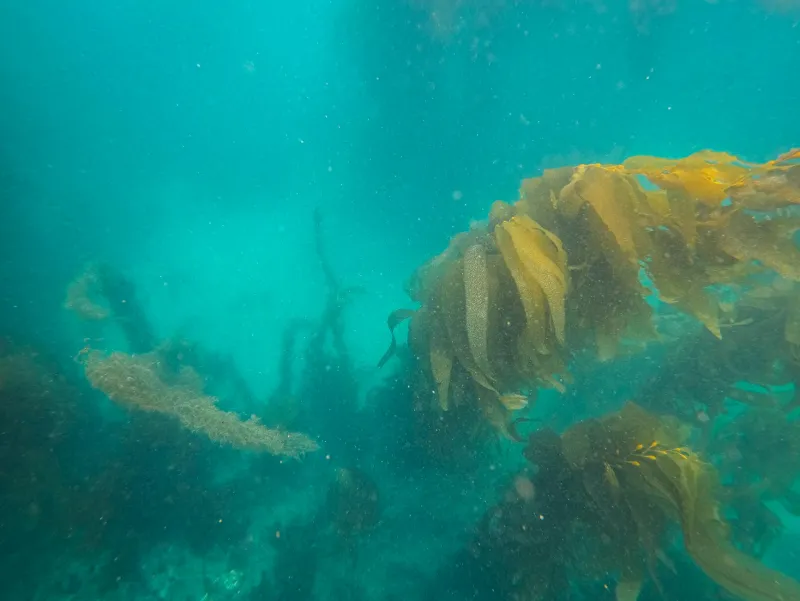
Kelp belongs to the brown algae (Phaeophyceae) family and grows in cold seas, especially in the northern Atlantic and Pacific. Laminaria, Ascophyllum, and Fucus are the main genera used in supplements.
Kelp accumulates iodine from seawater — its iodine content ranges from 500-2500 mcg/g dry weight, making it one of the most concentrated natural sources (Teas et al., 2004).
Why Iodine Matters
Iodine is an essential trace element that the body does not produce. It is needed to synthesize thyroid hormones (T3 and T4), which regulate metabolism, energy production, body temperature, and brain development (Zimmermann, 2009).
Consequences of Iodine Deficiency
| Symptom | Explanation |
|---|---|
| Goiter | Thyroid enlargement to compensate for iodine deficiency |
| Fatigue | Thyroid hormone deficiency slows metabolism |
| Weight gain | Hypothyroidism reduces energy expenditure |
| Cognitive decline | Especially critical during pregnancy and childhood |
According to the WHO, iodine deficiency is the world's most prevalent preventable cause of intellectual disability.
Benefits of Kelp
Natural Iodine Source
Kelp provides iodine in a natural form bound to organic compounds. Some people prefer this to synthetic potassium iodide. However, standardized potassium iodide tablets offer much more precise dose control.
Additional Minerals
Beyond iodine, kelp contains calcium, iron, magnesium, manganese, and small amounts of B vitamins. However, the quantities are too small to consider kelp a significant source of these minerals.
Antioxidants
Kelp contains fucoidan and fucoxanthin — bioactive compounds that have shown antioxidant and anti-inflammatory effects in vitro (Li et al., 2011). Human studies remain limited.
Risks and Dangers
Excess Iodine
This is kelp's biggest risk. Iodine content varies wildly in wild kelp — even different batches of the same product can differ by several fold (Teas et al., 2004).
Consequences of excess iodine:
- Hypothyroidism (Wolff-Chaikoff effect) — excess iodine blocks hormone production
- Hyperthyroidism — especially in predisposed individuals
- Autoimmune thyroiditis — risk of Hashimoto's disease flare-ups
Leung & Braverman (2014) emphasized that adverse effects of excess iodine intake are clinically significant and sometimes irreversible.
Heavy Metals
Kelp also accumulates heavy metals from the sea, including arsenic, lead, and cadmium. Quality supplements should undergo third-party testing for heavy metal content.
Dosage and Safety Guidelines
| Target Group | Recommended Iodine | Kelp Dose | Warnings |
|---|---|---|---|
| Adults | 150 mcg/day | ~1 capsule (150 mcg standardized) | Do not exceed 600 mcg |
| Pregnant women | 200 mcg/day | Prefer standardized product | Medical advice mandatory |
| Thyroid conditions | Individual | Consult an endocrinologist | May be contraindicated |
Important: if using kelp, always choose a supplement with standardized iodine content, not simply dried seaweed.
Kelp vs Other Iodine Sources
| Source | Iodine Content | Dose Control | Price |
|---|---|---|---|
| Kelp (supplement) | 150-500 mcg/capsule | Moderate | 5-15 EUR |
| Potassium iodide (tablets) | 100-200 mcg/tablet | High | 3-8 EUR |
| Iodized salt | ~25 mcg/g salt | Low | 1-2 EUR |
| Seafood | 50-200 mcg/serving | Low | Varies |
Common Mistakes
- "More is better" thinking — 600 mcg iodine per day is the European upper limit
- Using non-standardized kelp — iodine content varies wildly
- Taking kelp with thyroid conditions without medical advice — can worsen the condition
- Combining kelp with iodized salt and seafood — cumulative iodine intake can exceed safety limits
Frequently Asked Questions
Does kelp help with weight loss?
Some claim kelp speeds up metabolism through the thyroid. In reality, kelp only helps if weight gain is caused by iodine-deficiency hypothyroidism — which is rare in developed countries.
Is kelp suitable for vegans?
Yes, kelp is 100% plant-based and fits well for vegans who do not get iodine from fish and seafood.
Does kelp interact with medications?
Yes. Kelp can affect thyroid medications (levothyroxine) and lithium. Consult your doctor.
How do I know if I am iodine deficient?
Urinary iodine concentration is the most accurate test. Blood tests for thyroid hormones (TSH, T3, T4) provide an indirect assessment.
Estonia-Specific Notes
Estonian soil is iodine-poor, meaning locally grown food contains less iodine than coastal regions. Iodized salt use is recommended, but many Estonians consume it insufficiently. Kelp as a supplement is available at health stores and pharmacies for 5-15 EUR.
References
- Zimmermann MB. (2009). Iodine deficiency. Endocrine Reviews, 30(4), 376-408.
- Teas J, Pino S, Critchley A, et al. (2004). Variability of iodine content in common commercially available edible seaweeds. Thyroid, 14(10), 836-841.
- Leung AM, Braverman LE. (2014). Consequences of excess iodine. Nature Reviews Endocrinology, 10(3), 136-142.
- Li B, Lu F, Wei X, et al. (2011). Fucoidan: structure and bioactivity. Molecules, 13(8), 1671-1695.
- World Health Organization. (2007). Assessment of iodine deficiency disorders and monitoring their elimination. WHO Technical Report.
Browse MaxFit's selection of thyroid support products and mineral supplements.
See also: