What Are Intra-Workout Supplements?
Intra-workout supplements are products consumed during training — not before, not after, but mid-session. Their goals are to:
- Maintain energy and performance throughout the session
- Reduce muscle breakdown (catabolism)
- Keep the body hydrated and mineralised
- Begin supporting recovery before the session even ends
Not every athlete needs intra-workout products. For short sessions under 45 minutes, they rarely make a meaningful difference. For longer sessions, high-volume training, and double training days, the benefit becomes substantial.
Key Ingredients and Their Roles
BCAA and EAA – Amino Acids During Training
Branched-chain amino acids (BCAA: leucine, isoleucine, valine) and essential amino acids (EAA) are the classic intra-workout ingredients. EAAs are a superset of BCAAs, containing all nine essential amino acids the body cannot synthesise.
Research shows BCAAs reduce muscle soreness and fatigue during prolonged training (Shimomura et al., 2010). EAAs offer a more complete stimulus for muscle protein synthesis.
XTEND Original Amino Acids 30 Servings Fruit Punch is one of the most trusted intra-workout products, delivering 7 g of BCAAs per serving with added electrolytes.
XTEND EAA 40 Servings Tropical extends the BCAA formula to the full EAA spectrum, offering a more complete amino acid profile for demanding training blocks.
DY HIT BCAA 10:1:1 400g Orange uses a leucine-dominant (10:1:1) ratio designed to maximise the muscle protein synthesis signal from the key anabolic amino acid.
Electrolytes – The Hydration Foundation
During training, you lose sodium, potassium, and magnesium through sweat. Drinking water alone dilutes electrolyte concentration, creating a hyponatraemia risk in prolonged sessions (Noakes, 2003).
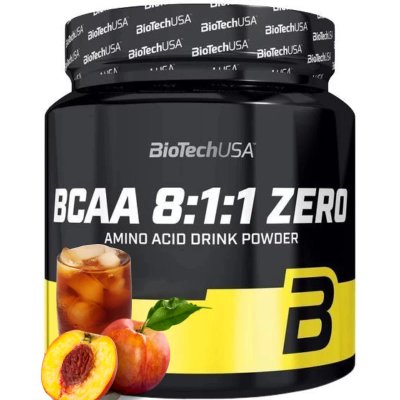 BIOTECHUSA Amino Energy Zero with Electrolytes Lime€26.90 In stock 360g combines amino acids with electrolytes in a single, convenient formula — a practical choice for those who don't want multiple products.
Carbohydrates – Sustaining Energy
For sessions lasting over 60 minutes or at high intensity, glycogen becomes a limiting factor. Fast-digesting carbohydrates (dextrose, maltodextrin, or highly branched cyclic dextrin) help maintain blood glucose and preserve glycogen stores, delaying fatigue.
Citrulline Malate – Sustained Pump
Consumed during training, citrulline malate maintains nitric oxide production and blood flow throughout the session rather than just at the start, sustaining the pump and nutrient delivery.
Who Benefits Most from Intra-Workout Products?
| Athlete Profile | Need Level | Recommended Ingredients |
|---|---|---|
| <45 min sessions | Low | Water, electrolytes |
| 45–90 min strength training | Moderate | BCAA/EAA, electrolytes |
| >90 min endurance training | High | Carbohydrates, electrolytes, BCAA |
| Twice-daily training | High | EAA, electrolytes, fast carbs |
| Calorie-restricted diet | High | EAA/BCAA to protect muscle |
BCAA vs EAA: Which to Choose?
The fundamental difference: BCAAs are three of nine essential amino acids; EAAs are all nine. Muscle protein synthesis requires all nine, so EAAs are theoretically more complete.
In practice, BCAAs have advantages in palatability, cost, and leucine concentration. If your overall diet provides sufficient protein, BCAAs are adequate during training. EAAs are preferable during very low calorie intake or fasted training.
Browse BCAA and EAA options at MaxFit.ee: /en/category/bcaa-et and /en/category/eaa-et.
FAQ
Are intra-workout supplements worth it for short training sessions?
For sessions under 45 minutes, the benefit is minimal. Your glycogen stores will be adequate and protein requirements are met from pre-training meals. Water and good pre-training nutrition are sufficient for shorter workouts.
Do BCAAs break a fast during fasted training?
Some research suggests BCAA-induced insulin release may theoretically affect autophagy during fasting. Practically, the effect is small, and the muscle-preservation benefit likely outweighs this concern for most athletes. EAAs during fasted training represent a reasonable compromise.
When should I drink my intra-workout product?
Start approximately 15–20 minutes into your session and sip slowly throughout. This ensures a steady supply of amino acids and electrolytes rather than a bolus hit at the start.
References
- Shimomura, Y., Inaguma, A., Watanabe, S., Yamamoto, Y., Muramatsu, Y., Bajotto, G., Sato, J., Shimomura, N., Kobayashi, H., & Mawatari, K. (2010). Branched-chain amino acid supplementation before squat exercise and delayed-onset muscle soreness. International Journal of Sport Nutrition and Exercise Metabolism, 20(3), 236–244.
- Noakes, T. D. (2003). Overconsumption of fluids by athletes. British Medical Journal, 327(7407), 113–114.
- Jackman, S. R., Witard, O. C., Philp, A., Wallis, G. A., Baar, K., & Tipton, K. D. (2017). Branched-chain amino acid ingestion stimulates muscle myofibrillar protein synthesis following resistance exercise in humans. Frontiers in Physiology, 8, 390.
- Howatson, G., Hoad, M., Goodall, S., Tallent, J., Bell, P. G., & French, D. N. (2012). Exercise-induced muscle damage is reduced in resistance-trained males by branched chain amino acids. Journal of the International Society of Sports Nutrition, 9(1), 20.