
Hyaluronic Acid Side Effects & Safety: What to Know
Hyaluronic acid (HA) is a naturally occurring substance found throughout the human body, with the highest concentrations in skin, eyes, and synovial fluid of joints. As a dietary supplement, it has gained popularity for supporting joint comfort and skin hydration. Before adding it to your routine, understanding its safety profile is essential.
Common Side Effects
Oral hyaluronic acid supplements are generally well tolerated. In clinical studies, the most commonly reported side effects are mild and transient, including:
- Digestive discomfort (nausea, bloating, or loose stools)
- Headache
- Skin flushing in rare cases
A 12-month open-label study in subjects with knee osteoarthritis found that oral HA was safe and well tolerated, with no serious adverse events attributed to the supplement (Tashiro et al., 2012).
Rare and Serious Adverse Events
Allergic reactions to HA supplements are uncommon but possible, particularly in individuals who are sensitive to avian-derived products, as many HA products are sourced from rooster comb or poultry by-products. Vegan-sourced (microbial fermentation) HA products, such as NOW Hyaluronic Acid 50mg + MSM 60caps and 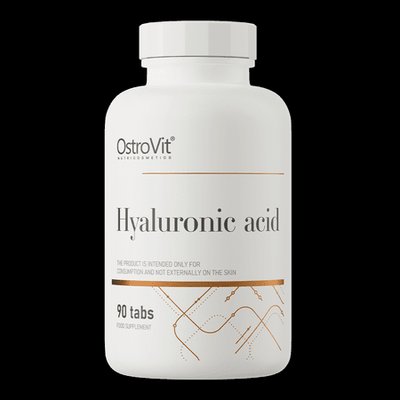 OstroVit Hyaluronic acid€12.90 In stock 90tabs, available at maxfit.ee, avoid this concern.
Injectable HA (used in aesthetic medicine) carries risks distinct from oral supplementation, including granuloma formation and vascular occlusion. These risks are not relevant to dietary supplements taken by mouth.
Upper Safe Limits
No formal tolerable upper intake level (UL) has been established by EFSA or FDA for oral HA. Clinical trials have used daily doses ranging from 80 mg to 240 mg without significant adverse events (Kalman et al., 2008). Most commercially available oral supplements fall within this range. Exceeding the studied dose is unlikely to provide additional benefit and may increase the chance of digestive side effects.
Drug and Nutrient Interactions
Hyaluronic acid does not have well-documented pharmacokinetic drug interactions. However, the following considerations are prudent:
- Anticoagulants and antiplatelet drugs: High-dose HA supplements have not been studied alongside blood thinners; caution is advisable.
- Cancer medications: Some preclinical evidence suggests HA may influence cell proliferation pathways. Individuals undergoing oncology treatment should consult their physician before use.
- Other supplements: HA is frequently combined with collagen and vitamin C — these combinations appear safe in available evidence.
Who Should Avoid It
The following groups should avoid oral HA supplementation or seek medical advice before use:
- Pregnant or breastfeeding women — safety data in this population is insufficient.
- Individuals with autoimmune conditions — HA influences immune signalling; effects in autoimmune disease are not well characterised.
- Those with a known allergy to avian products — unless choosing a microbial-fermentation source.
- Cancer patients — pending specialist advice, given HA's biological roles in cell adhesion.
Quality and Contamination Concerns
As with all supplements, quality varies by manufacturer. Key things to look for:
- Source disclosure: Rooster comb vs. microbial fermentation (vegetarian-friendly).
- Third-party testing: Look for certificates of analysis (CoA).
- Molecular weight: Some evidence suggests that low-molecular-weight HA (10–100 kDa) may have different biological effects than high-molecular-weight HA (> 1,000 kDa); however, clinical outcomes data remains limited.
Choosing reputable brands — such as those available at maxfit.ee — reduces the risk of contaminated or under-dosed products.
Practical Summary
For most healthy adults, oral hyaluronic acid in the studied dose range is safe. Side effects, when they occur, are mild and gastrointestinal. The main precautions involve specific populations (pregnant women, immunocompromised individuals) and product sourcing. As always, speak with a healthcare professional if you have pre-existing conditions or take prescription medications.
Forms of Hyaluronic Acid and How to Choose
Hyaluronic acid supplements come in several forms that differ in molecular weight, source, and intended use:
| Form | Molecular Weight | Typical Use | Notes |
|---|---|---|---|
| High-MW HA (> 1,000 kDa) | High | Joint and skin hydration | Less tissue penetration |
| Low-MW HA (10–100 kDa) | Low | Deeper tissue delivery | More research needed |
| Cross-linked HA | Variable | Injectable aesthetics only | Not relevant for oral use |
| Fermented HA | Various | Vegan-friendly source | Avoids avian allergens |
When selecting a supplement, check whether the product discloses molecular weight and source. Vegan-certified products such as NOW Hyaluronic Acid 50mg + MSM 60caps and OstroVit Hyaluronic acid 90tabs use microbial fermentation sourcing, avoiding concerns related to avian allergens.
Practical Dosing and Timing
Most clinical studies have used oral HA doses between 80 mg and 240 mg per day. There is no strong evidence that splitting the dose throughout the day produces better outcomes than a single daily dose. Taking HA with a meal may improve tolerability for those who experience digestive discomfort on an empty stomach.
For joint support applications, studies suggest that consistent supplementation over at least four weeks is needed before evaluating any effect on joint comfort. Do not expect immediate results.
For skin hydration claims, note that topical HA products work differently from oral supplementation. Oral HA must reach systemic circulation and then be distributed to target tissues, which is a less direct route than topical application. The evidence base for oral HA improving skin hydration is smaller than the evidence for joint outcomes.
Monitoring and When to Stop
Most healthy adults can continue oral HA supplementation indefinitely at studied doses without concern. However, discontinue use and consult a healthcare provider if you experience:
- Persistent digestive symptoms beyond the first week
- Skin reactions or hives
- Any unusual swelling
People undergoing cancer treatment or surgery should inform their healthcare provider of all supplements, including HA, as HA may interact with some drug therapies or influence healing.
FAQ
Is hyaluronic acid safe to take every day?
Yes, for most healthy adults daily oral supplementation appears safe based on available clinical studies lasting up to 12 months. Start with the manufacturer's recommended serving and monitor for any digestive discomfort.
Can hyaluronic acid cause an allergic reaction?
Allergic reactions are uncommon but possible, especially with products derived from rooster comb or poultry. Individuals with poultry allergies should choose microbial-fermentation-sourced HA or consult a doctor before use.
Does hyaluronic acid interact with medications?
No major drug interactions have been firmly established for oral HA supplements. However, those taking anticoagulants or cancer medications should discuss supplementation with their physician before starting.
References
Tashiro, T., Seino, S., Sato, T., Matsubara, R., Masuda, Y., & Fukui, N. (2012). Oral administration of polymer hyaluronic acid alleviates symptoms of knee osteoarthritis: a double-blind, placebo-controlled study over a 12-month period. Scientific World Journal, 2012, 167928.
Kalman, D. S., Heimer, M., Valdeon, A., Schwartz, H., & Sheldon, E. (2008). Effect of a natural extract of chicken combs with a high content of hyaluronic acid (Hyal-Joint) on pain relief and quality of life in subjects with knee osteoarthritis: a pilot randomized double-blind placebo-controlled trial. Nutrition Journal, 7, 3. https://pubmed.ncbi.nlm.nih.gov/18426577/



