Why Recovery Is as Important as Training
Training is the stimulus — growth happens during recovery. No training methodology can compensate for inadequate recovery. Overtraining, chronic injuries, and stagnating progress are all signs of recovery deficits.
Recovery supplements fall into several categories, each serving a distinct role. The goal is not to use everything simultaneously — but to identify the gaps in your current recovery and address them systematically.
Recovery Supplement Categories
1. Protein – The Foundation
Muscle protein synthesis requires an adequate supply of amino acids. Research recommends 1.6–2.2 g of protein per kg of bodyweight per day for strength and endurance athletes (Morton et al., 2018). Whey protein post-workout is the classic, fast-absorbing option.
Casein protein before sleep is particularly valuable: its slow digestion sustains overnight muscle protein synthesis during the longest recovery window of the day.
2. BCAA and EAA – Muscle Protection
Branched-chain amino acids, especially leucine, activate muscle protein synthesis through the mTOR pathway (Shimomura et al., 2010). EAAs provide a more complete amino acid profile for comprehensive muscle repair.
OstroVit BCAA 2-1-1 400g Lemon is a classic-ratio BCAA formula suitable for intra-workout and post-workout recovery.
OstroVit BCAA + Glutamine 200g Orange combines BCAAs with glutamine for dual recovery support in a single convenient product.
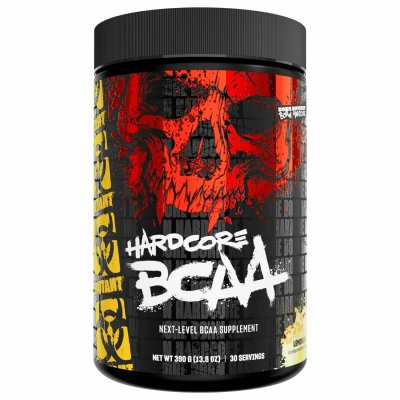 Mutant Hardcore BCAA 390g Pineapple€24.90 In stock is a well-flavoured option that's easy to consume consistently.
3. Creatine – Long-Term Recovery
Creatine is not just a strength enhancer — it replenishes ATP stores quickly and research shows reduced muscle damage markers following intense training. Daily 3–5 g dosing is the universal recommendation.
OstroVit Daily Stack 400g is a multi-component recovery stack combining creatine, glutamine, and amino acids in one convenient formula.
4. Glutamine – Immune and Gut Support
Glutamine is the body's most abundant amino acid and becomes conditionally essential under intense training. It supports immune function and gut mucosal integrity, both of which are compromised by hard training (Cruzat et al., 2018).
5. HMB (Beta-Hydroxy Beta-Methylbutyrate)
HMB is a leucine metabolite that reduces muscle protein breakdown, particularly during calorie restriction. It's especially valuable for athletes in a cutting phase (Nissen & Sharp, 2003).
OstroVit HMB 210g Naturaalne is a clean, unflavoured HMB powder — a cost-effective way to add this supplement to your recovery stack.
6. Sleep Quality Support
Sleep is the most powerful recovery intervention available. Supplements that support sleep quality — magnesium glycinate, ashwagandha, melatonin, L-theanine — indirectly but significantly improve recovery capacity.
7. Anti-Inflammatory Compounds
Curcumin (with piperine), omega-3 fatty acids, and ginger have anti-inflammatory properties that support recovery after intense training (Philpott et al., 2018). These are long-term investments rather than acute recovery tools.
Choosing Based on Your Goals
| Goal | Priority Supplements |
|---|---|
| Muscle building | Whey + casein protein, creatine, BCAA |
| Fat loss + muscle preservation | HMB, EAA, glutamine |
| Fast recovery (double sessions) | Protein, BCAA, electrolytes, magnesium |
| Injury recovery | Collagen, vitamin C, omega-3, glutamine |
| Endurance sports | Electrolytes, carbohydrates, BCAA, magnesium |
What to Avoid
- Over-supplementing protein: beyond 2.5 g/kg/day there is no additional benefit, and the excess load on kidneys is unnecessary.
- Weak-evidence compounds: many "recovery stacks" include ingredients without meaningful research behind them. Validate every ingredient.
- Replacing food with supplements: supplements complement diet — they do not replace it. Food provides micronutrients, fibre, and phytonutrients no supplement fully replicates.
Browse recovery supplements at MaxFit.ee across categories: /en/category/bcaa-et, /en/category/kreatiin, and /en/category/l-glutamiin.
FAQ
Are recovery supplements necessary if I eat well?
For most recreational athletes eating a complete diet, supplementation needs are minimal. However, for those training intensely multiple times per day, or in a calorie deficit, recovery supplements meaningfully reduce the risk of overreaching and speed adaptation.
When is the best time to take recovery supplements?
Whey protein: within 30 minutes of training. Casein: before sleep. BCAAs: during or immediately after training. Creatine: any time of day — consistency of daily use matters more than precise timing.
Do I need all of these at once?
No. Start with one or two supplements — typically protein and creatine for most athletes — assess the results over 4–6 weeks, and add others as genuine gaps are identified. Adding everything simultaneously makes it impossible to know what's working.
References
- Morton, R. W., Murphy, K. T., McKellar, S. R., Schoenfeld, B. J., Henselmans, M., Helms, E., Aragon, A. A., Devries, M. C., Banfield, L., Krieger, J. W., & Phillips, S. M. (2018). A systematic review, meta-analysis and meta-regression of the effect of protein supplementation on resistance training-induced gains in muscle mass and strength. British Journal of Sports Medicine, 52(6), 376–384.
- Shimomura, Y., Inaguma, A., Watanabe, S., Yamamoto, Y., Muramatsu, Y., Bajotto, G., Sato, J., Shimomura, N., Kobayashi, H., & Mawatari, K. (2010). Branched-chain amino acid supplementation before squat exercise and delayed-onset muscle soreness. International Journal of Sport Nutrition and Exercise Metabolism, 20(3), 236–244.
- Cruzat, V., Macedo Rogero, M., Noel Keane, K., Curi, R., & Newsholme, P. (2018). Glutamine: metabolism and immune function, supplementation and clinical translation. Nutrients, 10(11), 1564.
- Nissen, S., & Sharp, R. (2003). Effect of dietary supplements on lean mass and strength gains with resistance exercise. Journal of Applied Physiology, 94(2), 651–659.