Why Gym Injuries Happen
Gym injuries typically stem from one of three causes: poor technique, progressing load too rapidly, or inadequate recovery. The good news: all three are within your control. Research shows that a structured training programme with clear progression and sufficient rest reduces injury risk by up to 50% (Soligard et al., 2016).
Most Common Gym Injuries
| Injury | Most common cause | At-risk group |
|---|---|---|
| Lower back strain | Poor lifting technique, overload | Lifters, strength athletes |
| Shoulder pain (rotator cuff) | Excessive pressing, poor mobility | Strength athletes, CrossFitters |
| Knee pain (patellofemoral) | Faulty squat technique, excessive volume | All training types |
| Elbow pain | Overuse, poor grip mechanics | Strength athletes, wrestlers |
| Ankle pain | Limited ankle mobility | Running, jumping |
Technique: The Primary Guardian Against Injury
Technique is the cornerstone of injury prevention. The two most injury-causing technique errors:
1. Rounded lower back in squats and deadlifts: Lumbar flexion under load is the clearest danger signal. Solutions:
- Strengthen core musculature
- Improve hip mobility
- Reduce load until technique is solid
2. Knee cave in squats: The valgus collapse indicates hip weakness. Solutions:
- Strengthen gluteus medius (band walks, clamshells)
- Improve ankle dorsiflexion
- Video your lifts to identify the pattern
Progression: The 10% Rule and Other Strategies
While the "10% rule" (never increase load by more than 10% per week) is not universal, it provides a useful starting point. Progressing load too quickly is a primary cause of overuse injuries.
Practical progression principles:
- Master technique before adding load
- Increase one variable at a time (weight OR reps, not both)
- Use periodisation — plan lighter-load periods
- Listen to your body — sudden pain is a stop signal
Joint Health and Injury Prevention
Joints handle load better when they receive adequate nutrients for structural support. 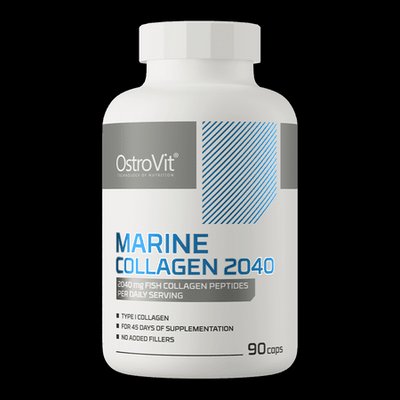 OstroVit Marine Collagen€13.90 In stock + Hyaluronic Acid + Vitamin C 200g — collagen is the primary structural protein of articular cartilage; hyaluronic acid improves synovial fluid quality; vitamin C promotes collagen synthesis. MST Flex Pro Mango Passionfruit 300g — specific joint formula with glucosamine and chondroitin supporting cartilage integrity under load. OstroVit MSM 90tabs — MSM is linked to reduced joint inflammation and improved flexibility. DY Joint Support 90 Tablets — comprehensive support for cartilage, ligament, and tendon health.
Find these at maxfit.ee/en/category/kollageen and maxfit.ee/en/category/luud-kohred-sidemed-liigesed.
Equipment and Ergonomics
Footwear: Running shoes are unsuitable for barbell squats — their soft soles destabilise heavy loads. Strength training footwear should have firm soles (weightlifters use specialised shoes).
Wraps and supports: Supportive gear provides additional stability for heavy loads but should not replace strong muscles.
Breathing strategy (Valsalva): For maximum core stability during heavy lifts, experienced athletes use the Valsalva manoeuvre — a deep breath before the lift that pressurises the thoracic and abdominal cavities.
After Minor Injuries: RICE → PEACE & LOVE
The older RICE protocol (Rest, Ice, Compression, Elevation) has been replaced by more contemporary frameworks. Current recommendations:
- Protection — 1–3 days
- Elevation
- Avoid anti-inflammatories (NSAIDs slow healing!)
- Compression
- Education — understand your injury
- Load — gradual return
- Optimism — positive mindset
- Vascularisation — support circulation
- Exercise — active rehabilitation (Dubois & Esculier, 2020)
FAQ
What should I do if I feel sudden pain during training?
Stop immediately and assess. Sharp, sudden pain is a stop signal. Distinguish between: muscle burn (normal) vs sharp, localised joint or tendon pain (stop signal). When in doubt, consult a physiotherapist.
Do training supports (wrist wraps, knee sleeves) prevent injuries?
They provide additional support but do not replace a strong muscular corset. Regardless of gear, technique and progression are more important for injury prevention. Some research suggests excessive reliance on supports can actually weaken surrounding muscles.
How long does a gym injury take to heal?
Depends on injury type and severity. Mild muscle strain: 1–2 weeks. Tendinopathy: 4–8 weeks. Ligament inflammation: 6–12 weeks. Always consult a specialist for proper diagnosis and return-to-training guidance.
References
- Soligard, T., Schwellnus, M., Alonso, J. M., Bahr, R., Clarsen, B., Dijkstra, H. P., ... & Engebretsen, L. (2016). How much is too much? (Part 1) International Olympic Committee consensus statement on load in sport and risk of injury. British Journal of Sports Medicine, 50(17), 1030–1041.
- Dubois, B., & Esculier, J. F. (2020). Soft-tissue injuries simply need PEACE and LOVE. British Journal of Sports Medicine, 54(2), 72–73.
- Quatman, C. E., Quatman, C. C., & Hewett, T. E. (2010). Prediction and prevention of musculoskeletal injury: a paradigm shift in methodology. British Journal of Sports Medicine, 44(14), 1057–1064.
- Caine, D., Maffulli, N., & Caine, C. (2008). Epidemiology of injury in child and adolescent sports: injury rates, risk factors, and prevention. Clinics in Sports Medicine, 27(1), 19–50.
- Hootman, J. M., Dick, R., & Agel, J. (2007). Epidemiology of collegiate injuries for 15 sports. Journal of Athletic Training, 42(2), 311–319.