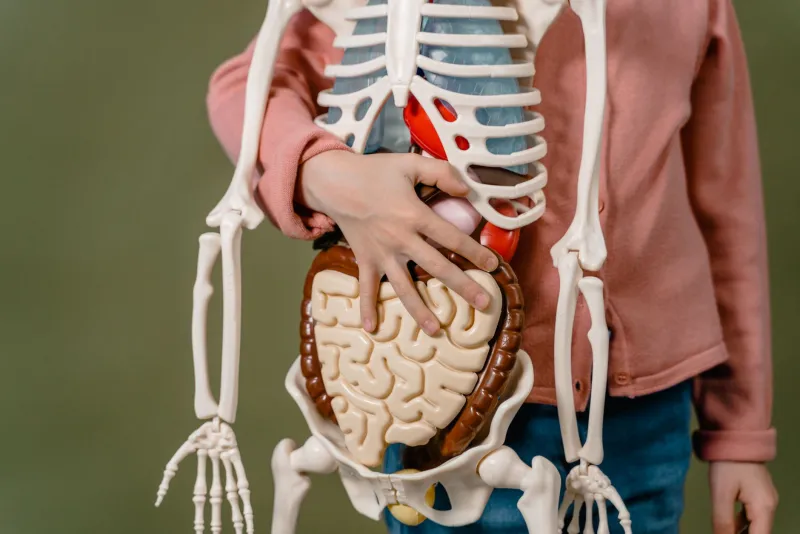
70% of the Immune System Lives in the Gut
This fact surprises many, but it is scientifically well-established. The gut houses the Gut-Associated Lymphoid Tissue (GALT), which represents the largest collection of immune organs in the human body. GALT contains:
- Peyer's patches (aggregated lymphoid nodules) in the small intestine
- Intraepithelial lymphocytes (IEL)
- Lamina propria lymphocytes
- Mesenteric lymph nodes
The gut immune system is in constant dialogue with the gut microbiome and must make a complex decision: what is safe (food, beneficial bacteria) and what is dangerous (pathogens). This process is known as immune tolerance (Vighi et al., 2008).
How Does the Gut Microbiome Shape Immune Responses?
1. Training the Protective Mucosal Barrier
Beneficial gut bacteria, especially Bifidobacterium and Lactobacillus strains, stimulate intestinal epithelial cells to produce more mucus and strengthen tight junction proteins. This keeps the gut barrier intact, preventing lipopolysaccharides (LPS) and other bacterial components from entering the bloodstream — which would trigger systemic inflammation (Rescigno & Palazzo, 2004).
2. Stimulating IgA Production
Secretory immunoglobulin A (SIgA) is considered the gut's first line of immune defence — it neutralises pathogens and toxins before they cross the epithelium. Bifidobacterium strains, particularly B. longum and B. bifidum, stimulate SIgA production in mucosal plasma cells (Macpherson & Uhr, 2004).
3. Developing Regulatory T Cells
The gut microbiome is essential for the development of regulatory T cells (Treg). Treg cells control the over- or under-regulation of immune reactions and play a key role in preventing autoimmunity, allergies, and inflammatory diseases. Germ-free (microbe-free) animals have markedly reduced Treg cell numbers in the gut (Round & Mazmanian, 2009).
4. Short-Chain Fatty Acids as Immune Mediators
Butyrate and other SCFAs (short-chain fatty acids) produced by fermenting resistant starch and fibre act not only as colonocyte fuel but also as immune signallers:
- Suppress NF-κB activation (inflammatory pathway)
- Increase differentiation of foxP3+ Treg cells
- Regulate neutrophil and macrophage activity
Probiotic Strains Supporting Immunity
SELF Probiotic Lactospore 60 caps contains Bacillus coagulans MTCC 5856, shown to activate immune responses and reduce the frequency of upper respiratory tract infections.
ICONFIT Boulardii 60caps supports IgA production and protects against both diarrhoea and intestinal hyperpermeability — particularly valuable during stressful periods.
 Mutant Big Greens Berry€20.90 In stock 30 Servings — a greens superfood complex containing probiotics, digestive enzymes, and plant-based antioxidants that support both gut health and immune regulation.
Explore products at maxfit.ee's immunity category and probiotic category.
Other Supplements That Support the Gut-Immune Axis
Vitamin D
Vitamin D receptors are present on all immune cells. Vitamin D deficiency is linked to increased risk of gut inflammatory diseases and impaired immune response. In Estonia, where sunlight is scarce during winter months, vitamin D supplementation is especially important.
Zinc
Zinc is required for T-lymphocyte maturation and active immune response. Zinc deficiency impairs gut barrier integrity (Shankar & Prasad, 1998).
Omega-3 Fatty Acids
Omega-3 (EPA and DHA) increase the proportion of Bifidobacterium species in the gut microbiome and reduce inflammatory cytokines — both effects support the gut-immune axis.
Daily Habits to Support Gut Immunity
- Eat a diverse, high-fibre diet — aim for at least 25–30 g fibre per day
- Consume fermented foods — yoghurt, kefir, sauerkraut add additional probiotics
- Avoid unnecessary antibiotic use — antibiotics also transiently impair immunity
- Sleep adequately — sleep deprivation increases gut permeability
- Manage stress — chronic stress alters gut microbiome composition and weakens immune response
FAQ
Do gut probiotics help prevent colds?
Yes, certain strains have clinically demonstrated reduced frequency and duration of upper respiratory tract infections. L. rhamnosus GG and L. casei strains are particularly well documented in this regard. Consistent daily use for 4–8 weeks is needed to see the effect.
Should people with allergies pay special attention to gut health?
Yes. Allergies are associated with immune tolerance disruptions, which in turn are linked to reduced gut microbiome diversity. The so-called hygiene hypothesis suggests that modern humans live in too sterile an environment, preventing GALT from receiving adequate "training" (Strachan, 1989). Probiotics may be particularly beneficial, especially when used from early childhood.
Does it make sense to take more probiotics during stressful periods?
This is a reasonable approach. Chronic stress reduces Bifidobacterium populations in the gut and increases intestinal permeability. Using probiotics during stressful periods can help maintain gut barrier function and immune response balance.
References
- Vighi, G. et al. (2008). Allergy and the gastrointestinal system. Clinical & Experimental Immunology, 153(Suppl 1), 3–6.
- Macpherson, A. J., & Uhr, T. (2004). Induction of protective IgA by intestinal dendritic cells carrying commensal bacteria. Science, 303(5664), 1662–1665.
- Round, J. L., & Mazmanian, S. K. (2009). The gut microbiota shapes intestinal immune responses during health and disease. Nature Reviews Immunology, 9(5), 313–323.
- Shankar, A. H., & Prasad, A. S. (1998). Zinc and immune function: the biological basis of altered resistance to infection. American Journal of Clinical Nutrition, 68(2 Suppl), 447S–463S.
- Rescigno, M., & Palazzo, M. (2004). The gut barrier: the first line of defence against bacterial invasion. Drug Discovery Today: Disease Mechanisms, 1(3), 301–306.



