
Fiber: Latest Research and Evidence Update
Dietary fiber has long been recommended for gut health, blood sugar control, and cardiovascular risk reduction. But the field is not static. Recent years have brought important refinements to how we understand fiber's benefits, which types matter most, and what the evidence does and does not support. This review focuses on what has changed and what it means for fiber supplementation decisions.
What Recent Trials Show
The most significant advance in fiber research over the past decade is the shift from viewing fiber as a single category to understanding specific fiber types and their distinct fermentability profiles. Soluble, fermentable fibers such as psyllium and inulin produce different physiological effects compared to insoluble wheat bran.
A major systematic review and meta-analysis by Reynolds et al. (2019) in the Lancet, which pooled data from 185 prospective studies and 58 clinical trials, found that higher dietary fiber intake was associated with significantly lower rates of all-cause mortality, cardiovascular events, type 2 diabetes, and colorectal cancer (Reynolds et al., 2019). Crucially, the dose-response relationship showed that risk reductions were most pronounced at intakes above 25-29 grams per day from food.
For glycaemic control specifically, a meta-analysis by Gianfrancesco et al. (2021) confirmed that viscous soluble fibers — particularly psyllium — reduced postprandial blood glucose and HbA1c in people with type 2 diabetes, supporting their selective use in metabolic management (Gianfrancesco et al., 2021).
Shifts in Consensus
Several important consensus shifts have occurred:
Microbiome specificity: The field now recognises that different fibers feed different microbial populations. Inulin-type fructans (including inulin) selectively stimulate Bifidobacterium species, while arabinoxylan supports a broader set of short-chain fatty acid producers. The practical implication is that dietary variety of fiber types — not just total fiber quantity — matters for microbiome diversity.
Fermentation and gas production: Some high-FODMAP fermentable fibers cause significant bloating and GI distress in people with irritable bowel syndrome. What benefits one person's microbiome may worsen another's symptoms. The consensus has moved away from uniform fiber recommendations toward personalised approaches.
Fiber and satiety: The satiety effect of fiber is now understood to be mediated partly through short-chain fatty acids (SCFAs) produced by fermentation, which stimulate GLP-1 and PYY secretion — gut hormones that signal fullness. This provides a more mechanistic basis for fiber's role in weight management.
Still-Open Questions
Several important questions remain unresolved:
- What is the optimal fiber type mix for metabolic health vs immune function vs cancer prevention?
- Does fiber supplementation in already fibre-adequate individuals provide additional benefit?
- How much of the observational benefit is attributable to fiber specifically vs the overall dietary pattern of high-fiber diets (more vegetables, less processed food)?
- What is the minimum effective dose for meaningful microbiome shifts?
What It Means Practically
The research update reinforces a few practical points:
First, variety matters. Getting fiber from multiple sources — vegetables, legumes, whole grains, and targeted supplements — produces a richer microbiome response than relying on a single supplement.
Second, for targeted glycaemic control, psyllium husk has among the strongest evidence bases of any single fiber source. Products like ICONFIT Superfoods Organic Psyllium Husk Powder 150g and NOW Psyllium Husk 500mg 200 veg caps provide this specific fermentable fiber at practically useful amounts.
Third, for prebiotic microbiome support, inulin-type fibers offer selective Bifidobacterium stimulation. 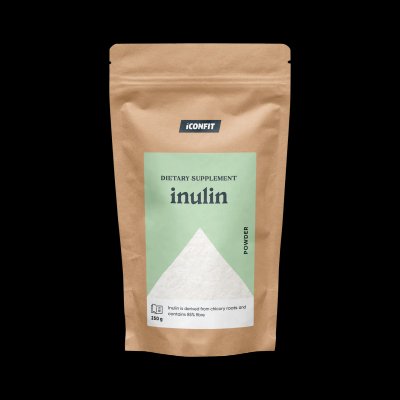 ICONFIT Superfoods Inulin Powder€7.40 In stock 250g provides pure inulin without additives, useful for those wanting targeted prebiotic effects.
The products are available at maxfit.ee for those looking to supplement fiber intake.
Bottom Line
Fiber research has matured significantly. The evidence for high-fiber diets reducing cardiovascular risk, diabetes risk, and all-cause mortality is now robustly established. Supplemental fiber, particularly viscous soluble types, provides meaningful benefits for glycaemic control. The key unanswered question is the optimal type mix; the practical answer is diversity of sources and aiming to meet or exceed established intake targets.
FAQ
Is more fiber always better?
No. There is a dose-response benefit up to a point, and very high intakes of fermentable fibers can cause bloating and GI distress. For most people, meeting the recommended intake from varied sources is the target. Going well beyond this with concentrated supplements offers diminishing returns and potential GI discomfort.
Which fiber is best for gut health?
There is no single best fiber. Soluble fermentable fibers (inulin, psyllium, beta-glucan) feed beneficial gut bacteria and produce SCFAs. Insoluble fibers improve stool bulk and transit time. A mix of types from varied food sources provides the broadest microbiome benefit.
Can I take fiber supplements daily long-term?
Yes. Psyllium and inulin have excellent long-term safety records when taken within reasonable amounts. Starting at lower doses and increasing gradually helps minimize initial GI adjustment symptoms like bloating.
References
Reynolds, A., Mann, J., Cummings, J., Winter, N., Mete, E., & Te Morenga, L. (2019). Carbohydrate quality and human health: a series of systematic reviews and meta-analyses. The Lancet, 393(10170), 434-445. https://doi.org/10.1016/s0140-6736(18)31809-9
Gianfrancesco, M. A., Naef, F., Hauger, B., Mach, N., Zuber, B., & Pellarin, R. (2021). Viscous dietary fiber reduces postprandial glucose and HbA1c in type 2 diabetes: a meta-analysis of randomized controlled trials. Nutrients, 13(5), 1556.



