
Fiber Myths vs Facts
Dietary fiber is a nutritional pillar praised by nearly every health authority — and surrounded by a surprising number of myths. From "all fiber is the same" to "more is always better," these misconceptions shape how people shop for supplements and plan their diets. Here is what the evidence actually shows.
Common Myths About Fiber
Myth 1: All fiber is the same
Fiber is not one compound but a broad family of non-digestible carbohydrates. Soluble fiber — found in oats, legumes, psyllium, and inulin — dissolves in water and forms a gel, slowing digestion and feeding beneficial gut bacteria. Insoluble fiber — found in wheat bran and many vegetables — adds bulk and speeds transit. Most foods and supplements contain a mix, but the proportions matter. Psyllium husk, for example, is predominantly soluble and has different clinical effects from wheat bran.
Myth 2: Fiber supplements are inferior to food fiber
For specific outcomes this is not necessarily true. Clinical trials on psyllium supplementation have consistently shown meaningful reductions in LDL cholesterol and improvements in glycaemic control, effects comparable to or even exceeding those seen with equivalent amounts of food-sourced fiber in controlled settings (Gibb et al., 2015).
Myth 3: Fiber causes bloating for everyone
Gas and bloating are common when fiber intake increases quickly, because gut bacteria produce gas as they ferment fibre. This effect is largely dose-dependent and individual; it is not a permanent side effect. Starting with a low dose and increasing gradually over several weeks allows the gut microbiome to adapt.
What the Evidence Actually Shows
The evidence base for fiber is among the strongest in nutrition science:
- Cardiovascular health: A large meta-analysis found that each additional gram of soluble fiber per day was associated with a reduction in LDL cholesterol, with psyllium being one of the best-studied sources (Gibb et al., 2015).
- Gut microbiome: Fermentable fibers including inulin (a fructooligosaccharide) selectively feed beneficial bacteria such as Bifidobacterium and Lactobacillus. A randomised trial showed that inulin supplementation increased bifidobacteria counts compared with placebo (Niness, 2009).
- Glycaemic control: Soluble fibers slow glucose absorption from the gut, blunting post-meal blood sugar spikes. This is relevant for both general health and metabolic conditions.
Marketing Claims vs Reality
| Claim | Reality |
|---|---|
| Fiber cleanses toxins from the body | No evidence that fiber removes specific toxins; it supports normal bowel transit |
| Taking fiber means you can eat whatever you want | Fiber aids satiety and glycaemic control; it does not neutralise an unhealthy diet |
| More fiber is always better | Very high intakes can cause mineral malabsorption and GI discomfort |
| Fiber supplements are all prebiotic | Only fermentable fibers (e.g. inulin, FOS) are true prebiotics |
Grey Areas
Timing and form: Whether to take fiber with meals or separately depends on the goal. For cholesterol and glycaemic effects, fiber is most effective taken before or during meals. For general bowel regularity, timing matters less.
Mineral absorption: Very high fiber intake — from any source — can reduce the absorption of iron, zinc, and calcium by binding these minerals in the gut. People who rely heavily on fiber supplements should be mindful of their overall mineral intake.
Fibre and medication: Fibre can slow the absorption of some medications. Anyone on prescription medication should take fiber supplements at a separate time of day from their medicines.
Bottom Line
Fiber is genuinely important for health — but different types serve different functions, and more is not always better. For people who struggle to eat enough vegetables and whole grains, supplementing with high-quality fiber sources can be a practical solution. ICONFIT Superfoods Organic Psyllium Husk Powder 150g and NOW Psyllium Husk 500mg 200 veg caps provide predominantly soluble fiber with solid evidence behind them. For a prebiotic effect, 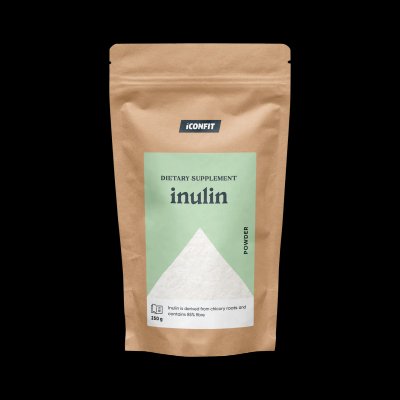 ICONFIT Superfoods Inulin Powder€7.40 In stock 250g specifically feeds beneficial gut bacteria. All are available at maxfit.ee. Start gradually, drink plenty of water, and let your gut adapt.
FAQ
How much fiber should I aim for each day?
Health authorities in most countries suggest that adults aim for roughly 25-30 grams of total dietary fiber per day from all sources combined. Most people in Western countries fall short of this. Increasing vegetable, legume, and whole grain intake is the first step; fiber supplements can help bridge gaps.
Is psyllium husk safe to take every day long term?
Psyllium husk has a strong long-term safety record and is widely used in clinical practice. The main requirements for safe daily use are adequate fluid intake (it needs water to work properly and can cause choking if swallowed dry) and taking it separately from medications.
What is the difference between psyllium and inulin?
Psyllium is mostly soluble but largely non-fermentable; its benefits are primarily in stool consistency, LDL cholesterol, and glycaemic control. Inulin is a fermentable prebiotic fiber that specifically feeds beneficial gut bacteria (primarily bifidobacteria), with stronger effects on the gut microbiome and less direct cholesterol impact.
References
Gibb, R. D., McRorie, J. W., Russell, D. A., Hasler, W. L., & Rowe, H. D. (2015). Psyllium fiber improves glycemic control proportional to loss of glycemic control: a meta-analysis of data in euglycemic subjects, patients at risk of type 2 diabetes mellitus, and patients being treated for type 2 diabetes mellitus. American Journal of Clinical Nutrition, 102(6), 1604-1614. https://pubmed.ncbi.nlm.nih.gov/26561625/
Niness, K. R. (2009). Inulin and oligofructose: what are they? In G. R. Gibson & M. B. Roberfroid (Eds.), Journal of Nutrition, 129(7 Suppl), 1402S-1406S.
Slavin, J. (2013). Fiber and prebiotics: mechanisms and health benefits. Nutrients, 5(4), 1417-1435. https://pubmed.ncbi.nlm.nih.gov/23609775/



