
Is Long-Term Fiber Use Safe?
Dietary fiber is one of the few nutritional compounds with a genuinely strong and consistent evidence base across a wide range of health outcomes — from cardiovascular disease and type 2 diabetes risk to colorectal cancer prevention and gut microbiome health. Yet questions about the long-term safety of supplemental fiber, appropriate doses, and whether you need to cycle it remain surprisingly common. Here is what the research shows.
What Long-Term Studies Show
The strongest long-term evidence for fiber comes from dietary cohort studies tracking populations over decades. Consistently higher dietary fiber intake — from food or supplements — is associated with significantly lower all-cause mortality, cardiovascular disease risk and colorectal cancer incidence across multiple large prospective cohorts (Threapleton et al., 2013). These associations are dose-dependent: higher intakes are associated with progressively lower risk up to a plateau.
For supplemental fiber specifically — psyllium husk being the most studied form — the long-term evidence is positive. Multiple meta-analyses confirm that regular psyllium supplementation lowers LDL cholesterol, improves glycaemic control in type 2 diabetes and reduces constipation symptoms. Multi-year studies have not identified significant adverse effects at standard doses.
ICONFIT Superfoods Organic Psyllium Husk Powder 150g and NOW Psyllium Husk 500mg 200 veg caps are products available at maxfit.ee that provide psyllium fiber in supplemental form. 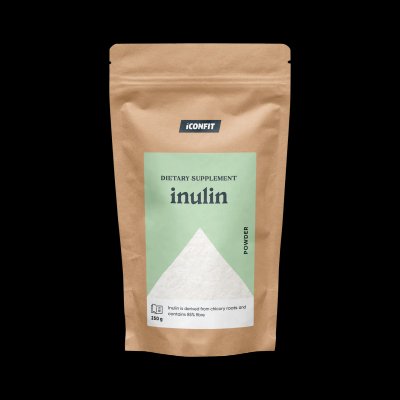 ICONFIT Superfoods Inulin Powder€7.40 In stock 250g provides prebiotic inulin as an alternative soluble fiber source.
Upper Safe Limits Over Time
There is no established tolerable upper intake level (UL) for fiber in the way there is for vitamins and minerals, because fiber is not known to cause toxicity in the conventional sense. Extremely high intakes can cause gastrointestinal symptoms — bloating, flatulence, loose stools — but these are discomfort outcomes rather than safety concerns.
The practical upper limit is largely determined by individual gastrointestinal tolerance. Most adults can comfortably consume 25–38 g of total daily fiber from all sources. Fiber supplements adding more than 10–15 g per day on top of a reasonably fiber-rich diet may increase gastrointestinal symptoms, particularly if intake is increased rapidly.
One genuine caution at very high supplemental fiber intakes: fiber can reduce the absorption of certain minerals and medications by binding them in the gut. People taking thyroid medications, certain diabetes drugs or mineral supplements should take these separately from fiber supplements — allow at least two hours between the two.
Do You Need to Cycle Fiber?
No. Unlike stimulants, adaptogens or hormonal supplements where cycling is sometimes recommended to prevent tolerance, there is no mechanistic or clinical evidence that the gut habituates to fiber in a way that reduces its benefit over time. Long-term fiber use does not cause dependence or loss of efficacy.
The microbiome actually adapts positively to sustained higher fiber intake — the bacterial populations that ferment prebiotic fibers (inulin, FOS, psyllium) expand with consistent consumption, increasing short-chain fatty acid production and supporting gut barrier function.
The main reason people choose to cycle off fiber supplements is practical — taking a break during travel, illness or dietary shifts — rather than safety-driven.
Monitoring
For most healthy adults, long-term fiber supplementation requires no special monitoring. Things worth noting over time:
- Gradual increase: always increase fiber intake gradually (over 1–2 weeks) to allow the microbiome and gut motility to adapt. Rapid increases cause bloating in most people regardless of long-term tolerance.
- Adequate hydration: soluble fibers absorb water; insufficient fluid intake alongside fiber supplementation can worsen constipation rather than improve it.
- Medication timing: as noted, separate fiber supplements from medications by at least two hours.
- Unexplained gastrointestinal changes: persistent significant changes in bowel habit that appear after starting fiber (or at any time) warrant medical evaluation to rule out structural causes.
Honest Verdict
Long-term fiber use is not only safe for most adults but is actively beneficial. The evidence base is one of the most consistent in nutrition science. There is no need to cycle fiber, no evidence of tolerance development and the safety ceiling is set by individual gastrointestinal comfort rather than toxicity. The bigger issue for most people is not too much fiber but too little — average fiber intake in Estonia and across Europe falls short of recommended levels, and fiber supplements reliably address this gap. Available at /et/category/kiudained, /et/category/psullium and /et/category/inuliin on maxfit.ee.
References
Threapleton, D. E., Greenwood, D. C., Evans, C. E., et al. (2013). Dietary fibre intake and risk of cardiovascular disease: systematic review and meta-analysis. BMJ, 347, f6879. https://pubmed.ncbi.nlm.nih.gov/24355537/
Aslam, H., Marx, W., Rocks, T., et al. (2020). The effects of dairy and dairy derivatives on the gut microbiota: a systematic literature review. Gut Microbes, 12(1), 1799533. https://pubmed.ncbi.nlm.nih.gov/32835617/
McRorie, J. W., & McKeown, N. M. (2017). Understanding the physics of functional fibers in the gastrointestinal tract: an evidence-based approach to resolving persistent misconceptions about insoluble and soluble fiber. Journal of the Academy of Nutrition and Dietetics, 117(2), 251–264. https://pubmed.ncbi.nlm.nih.gov/27863994/
FAQ
Can I take psyllium husk every day indefinitely?
Yes. Daily psyllium supplementation has been studied for periods of months to years without safety concerns emerging. It is not habit-forming, does not reduce natural bowel motility with long-term use and continues to provide benefits as long as it is taken. Start at a lower dose and increase gradually to find your comfortable maintenance level.
Does long-term fiber use cause nutritional deficiencies?
At typical supplemental doses (5–10 g per day from psyllium or inulin), the effect on mineral absorption is minimal for most people eating a varied diet. The theoretical concern about fiber binding minerals is most relevant at very high total intakes or if supplements are taken simultaneously with mineral-rich meals or supplements. Timing separation resolves this practically.
Is there a difference between soluble and insoluble fiber for long-term use?
Both types are safe long-term. Soluble fiber (psyllium, inulin, oat beta-glucan) has stronger evidence for cholesterol lowering and glycaemic benefits, and feeds beneficial gut bacteria as a prebiotic. Insoluble fiber (wheat bran, cellulose) primarily supports stool bulk and transit time. A mix of both — as found in whole foods or from combining supplement types — provides the broadest health benefits.



