
Is Long-Term Fat Burner Use Safe?
Fat burners are among the most heavily marketed supplement categories. Most products combine stimulants — primarily caffeine — with thermogenic compounds such as green tea extract, synephrine, or capsaicin. Understanding what long-term use actually means in terms of safety requires separating the ingredients from the marketing claims.
What Long-Term Studies Show
The honest answer is that rigorous long-term safety data — trials lasting beyond 12 weeks — are scarce for most fat burner ingredient stacks. The bulk of the evidence base consists of shorter efficacy trials rather than safety follow-ups. What we do know comes mostly from studies of the individual ingredients.
Caffeine is the best-studied stimulant in fat burner formulas. Habitual daily caffeine consumption in the range used in supplements has been studied in populations over years; cardiovascular safety in healthy adults appears acceptable at moderate daily intakes, though individual sensitivity varies considerably. A meta-analysis of caffeine and weight management found modest effects on body weight over short trial periods, without compelling long-term safety signals in healthy adults (Boozer et al., 2001).
Green tea catechins (EGCG) have an established thermogenic mechanism and a relatively benign safety profile at food-equivalent doses. However, concentrated green tea extracts at high doses have been associated with rare cases of hepatotoxicity in case reports; the risk appears to rise with very high daily doses taken on an empty stomach. Regulatory reviews from multiple jurisdictions have noted this signal without setting a universal threshold for supplements.
Synephrine, found in bitter orange extract, is a sympathomimetic with a narrower safety margin than caffeine when combined with other stimulants. Long-term cardiovascular data in humans are limited.
Upper Safe Limits Over Time
No established maximum duration of use applies universally to all fat burner products, because formulations differ widely. General principles from ingredient-level evidence:
- Caffeine tolerance develops with regular use, which may reduce both the performance and thermogenic effects over time
- Stimulant-based products carry a higher theoretical risk profile when used continuously for many months than when cycled
- Green tea extract products should generally not be taken at high doses on an empty stomach for extended periods
Do You Need to Cycle?
Cycling fat burners — taking regular breaks — is commonly recommended by manufacturers and practitioners, though rigorous RCT evidence specifically for cycling protocols is absent. The practical rationale is sound: stimulant tolerance reduces effectiveness, and prolonged adrenal stimulation without recovery periods is associated with fatigue and mood disruption in non-supplement contexts. A common approach is 8–12 weeks on, followed by 4 weeks off, allowing stimulant sensitivity to partially reset.
Products like MyProtein Thermopure 180caps and OstroVit Fat Burner eXtreme 90caps from our fat burner range include usage guidance on their labels that should be followed.
Monitoring Your Health
If you use stimulant-containing fat burners for extended periods, sensible monitoring includes:
- Resting heart rate: a sustained rise above your personal baseline warrants a break
- Blood pressure: stimulants can transiently raise blood pressure, especially in sensitive individuals
- Sleep quality: caffeine-containing products taken late in the day impair sleep, which indirectly worsens body composition outcomes
- Appetite and mood: excessive stimulant use can cause anxiety, irritability, and suppressed appetite beyond healthy ranges
If you have pre-existing cardiovascular conditions, consult a healthcare professional before starting any stimulant-based supplement.
What About Non-Stimulant Options?
Non-stimulant formulas — products based primarily on L-carnitine, conjugated linoleic acid, or green tea at lower doses — generally have more permissive long-term safety profiles. 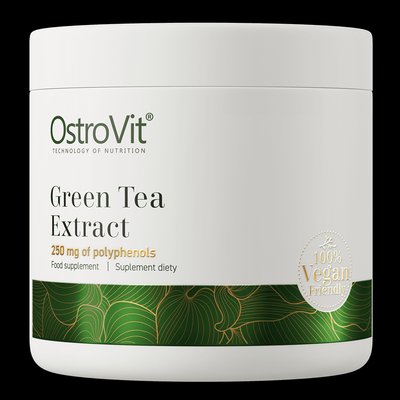 OstroVit Green Tea Extract€10.90 In stock 100g is available in our green tea extract category as a lower-stimulant option. SELF Whey Shake 1kg Vanill from our diet shake category represents another strategy — managing calorie intake through high-protein meal replacement rather than stimulant thermogenesis.
Honest Verdict
Stimulant-based fat burners are not designed for indefinite continuous use. Short-term use (up to 12 weeks) in healthy adults at label-recommended doses has a reasonable safety profile for most ingredients. Long-term use — beyond 3–4 months without breaks — increases the risk of stimulant tolerance, disrupted sleep, and, for high-dose green tea extracts specifically, a small but real risk of liver stress. Cycling, monitoring, and dietary fundamentals (calorie deficit, adequate protein, consistent exercise) should always take precedence over supplementation duration.
Explore our thermogenic products and weight-management range at maxfit.ee for options that suit your cycle length and tolerance profile.
FAQ
How long can I safely take a fat burner?
For most stimulant-based products, 8–12 weeks of continuous use followed by a 4-week break is a widely cited practical guideline, though your individual response and the specific product's ingredient profile matter. Always follow the manufacturer's label instructions.
Do fat burners lose effectiveness over time?
Yes, stimulant tolerance is well documented. The thermogenic and energy-boosting effects of caffeine-containing products diminish with daily continuous use. Cycling helps partially restore sensitivity.
Are women's fat burners safer for long-term use?
Products marketed as women's fat burners often have the same stimulant ingredients as general formulas, sometimes at adjusted doses. The same cycling and monitoring principles apply regardless of the marketing label.
References
Boozer, C. N., Nasser, J. A., Heymsfield, S. B., Wang, V., Chen, G., & Solomon, J. L. (2001). An herbal supplement containing Ma Huang-Guarana for weight loss: a randomized, double-blind trial. International Journal of Obesity, 25(3), 316–324. https://pubmed.ncbi.nlm.nih.gov/11319627/
Jurgens, T. M., Whelan, A. M., Killian, L., Doucette, S., Kirk, S., & Foy, E. (2012). Green tea for weight loss and weight maintenance in overweight or obese adults. Cochrane Database of Systematic Reviews, 12, CD008650. https://pubmed.ncbi.nlm.nih.gov/23235664/
Haller, C. A., & Benowitz, N. L. (2000). Adverse cardiovascular and central nervous system events associated with dietary supplements containing ephedra alkaloids. New England Journal of Medicine, 343(25), 1833–1838. https://pubmed.ncbi.nlm.nih.gov/11117974/



