Fat Burners Benefits: What the Evidence Actually Shows
Fat burners are among the most popular supplement categories worldwide. But the term covers a wide range of ingredients — stimulants, thermogenics, appetite modulators, and lipid-transport enhancers — each with a different evidence base. This guide focuses on fat burners benefits that are genuinely supported by peer-reviewed research, and is equally honest about where the evidence falls short.
Primary Evidence-Backed Benefits
Thermogenesis and Resting Metabolic Rate
Caffeine, the most studied ingredient in fat burner formulas, demonstrably increases resting energy expenditure. A meta-analysis by Astrup et al. (1992) — one of the foundational studies — showed that caffeine elevates metabolic rate in a dose-dependent fashion in both lean and obese subjects. More recent mechanistic work confirms that caffeine inhibits phosphodiesterase, raising intracellular cAMP and promoting lipolysis (Acheson et al., 2004).
Green tea catechins (EGCG) work synergistically with caffeine. Studies show that the combination increases 24-hour energy expenditure more than caffeine alone, an effect attributed partly to inhibition of catechol-O-methyltransferase (Dulloo et al., 1999).
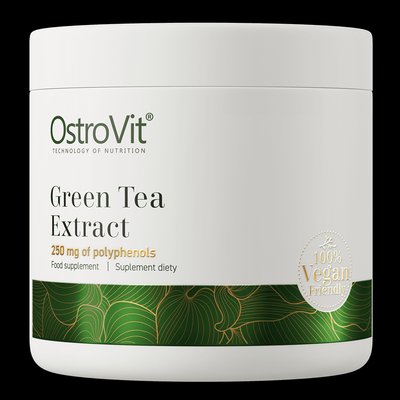 OstroVit Green Tea Extract€10.90 In stock 100g and MyProtein Thermopure 180caps are available at maxfit.ee if you want a concentrated catechin source.
Fat Oxidation During Exercise
L-carnitine is required for the transport of long-chain fatty acids into the mitochondria for beta-oxidation. Supplementation in individuals with suboptimal dietary intake (common in vegetarians and older adults) has been shown to increase muscle carnitine content and fat utilisation during moderate-intensity exercise (Wall et al., 2011). OstroVit L-Carnitine 1250 60caps provides a convenient daily dose.
Appetite Modulation
Some thermogenic blends contain glucomannan or protein fractions that slow gastric emptying, contributing to reduced caloric intake. Protein-based meal replacements like SELF Whey Shake 1kg Vanill and OstroVit Delicious Shake + Vitamin 400g Maapähkel support satiety as part of a structured fat-loss diet, which the diet shakes category covers in more detail.
Secondary and Emerging Effects
Mood and Focus During a Calorie Deficit
Caffeine is well established as a cognitive enhancer, which is relevant during fat-loss phases when energy intake is restricted. The subjective benefits of alertness and motivation may make it easier to maintain training volume, an indirect but practically meaningful effect.
Cortisol and Stress Hormones
Some high-stimulant products may elevate cortisol with chronic use, which is associated with increased visceral fat retention. This is an area where the evidence is nuanced: short-term thermogenic effects are positive, but high doses over extended periods warrant caution.
Where Evidence Is Weak
- Spot reduction: No supplement selectively burns fat from a specific body area.
- Substantial fat loss without diet: In trials where diet is uncontrolled, fat burner supplementation alone typically produces modest weight changes. The effect size is meaningful only when combined with a calorie deficit.
- Long-term maintenance: Most trials are 8–12 weeks. Evidence for sustained effects beyond that period is limited.
- Exotic botanicals: Many proprietary blends include yohimbine, synephrine, or Garcinia cambogia with far weaker RCT evidence than caffeine or EGCG.
Who Gains Most from Fat Burners
The individuals most likely to see measurable benefit are:
- Those already in a structured calorie deficit who want a modest metabolic boost
- Athletes in weight-class sports who need to manage body composition precisely
- People with low dietary caffeine tolerance who are sensitive to even small metabolic stimulation
- Vegetarians and older adults who may have suboptimal L-carnitine status from diet alone
Explore the full fat burners range and thermogenic supplements at maxfit.ee.
Realistic Expectations
Fat burners are not magic pills. In tightly controlled studies, caffeine-based thermogenics produce modest additional energy expenditure — meaningful over months, but not transformative in isolation. Think of them as a small but real lever that works best alongside consistent training, adequate protein intake, and a sustainable calorie deficit. The comprehensive fat burner category offers combined formulas that stack multiple evidence-based ingredients.
FAQ
Do fat burners work without exercise?
The thermogenic effect of ingredients like caffeine occurs at rest, so some calorie burn happens even without exercise. However, the practical impact is small. The evidence for meaningful fat loss from fat burners consistently comes from studies where participants also exercise and manage their diet.
Are fat burners safe for women?
Most thermogenic ingredients studied in mixed-sex populations show similar effects in women. There are formulas specifically developed for women's physiology, such as the fat burners for women category. Women who are pregnant or breastfeeding should avoid stimulant-containing products.
How long should I take a fat burner?
Most clinical trials run 8–12 weeks with scheduled breaks. Continuous stimulant use can lead to receptor downregulation (reduced response) and, at high doses, may affect sleep quality and cortisol balance. Cycling usage — for example, eight weeks on, two weeks off — is a commonly recommended approach.
References
Acheson, K. J., Gremaud, G., Meirim, I., Montigon, F., Krebs, Y., Fay, L. B., Gay, L. J., Schneiter, P., Schindler, C., & Tappy, L. (2004). Metabolic effects of caffeine in humans: lipid oxidation or futile cycling? American Journal of Clinical Nutrition, 79(1), 40–46. https://pubmed.ncbi.nlm.nih.gov/14684395/
Dulloo, A. G., Duret, C., Rohrer, D., Girardier, L., Mensi, N., Fathi, M., Chantre, P., & Vandermander, J. (1999). Efficacy of a green tea extract rich in catechin polyphenols and caffeine in increasing 24-h energy expenditure and fat oxidation in humans. American Journal of Clinical Nutrition, 70(6), 1040–1045. https://pubmed.ncbi.nlm.nih.gov/10584049/
Wall, B. T., Stephens, F. B., Constantin-Teodosiu, D., Marimuthu, K., Macdonald, I. A., & Greenhaff, P. L. (2011). Chronic oral ingestion of L-carnitine and carbohydrate increases muscle carnitine content and alters muscle fuel metabolism during exercise in humans. Journal of Physiology, 589(4), 963–973. https://pubmed.ncbi.nlm.nih.gov/21224234/



