Introduction
The evening is an ideal time for supplements that support relaxation, sleep quality, and overnight recovery. At the same time, there are supplements you should definitely avoid before bed. The right evening routine can help you sleep better and wake up refreshed.
Why Evening Timing Matters
Your body undergoes active recovery at night. Muscles grow and repair, growth hormone secretion peaks during deep sleep (Van Cauter et al., 2000), and the nervous system restores itself. Certain nutrients directly support these processes, while others — like caffeine or B-vitamins — can disrupt them.
Best Evening Supplements
Magnesium
Shop this category — in stock now


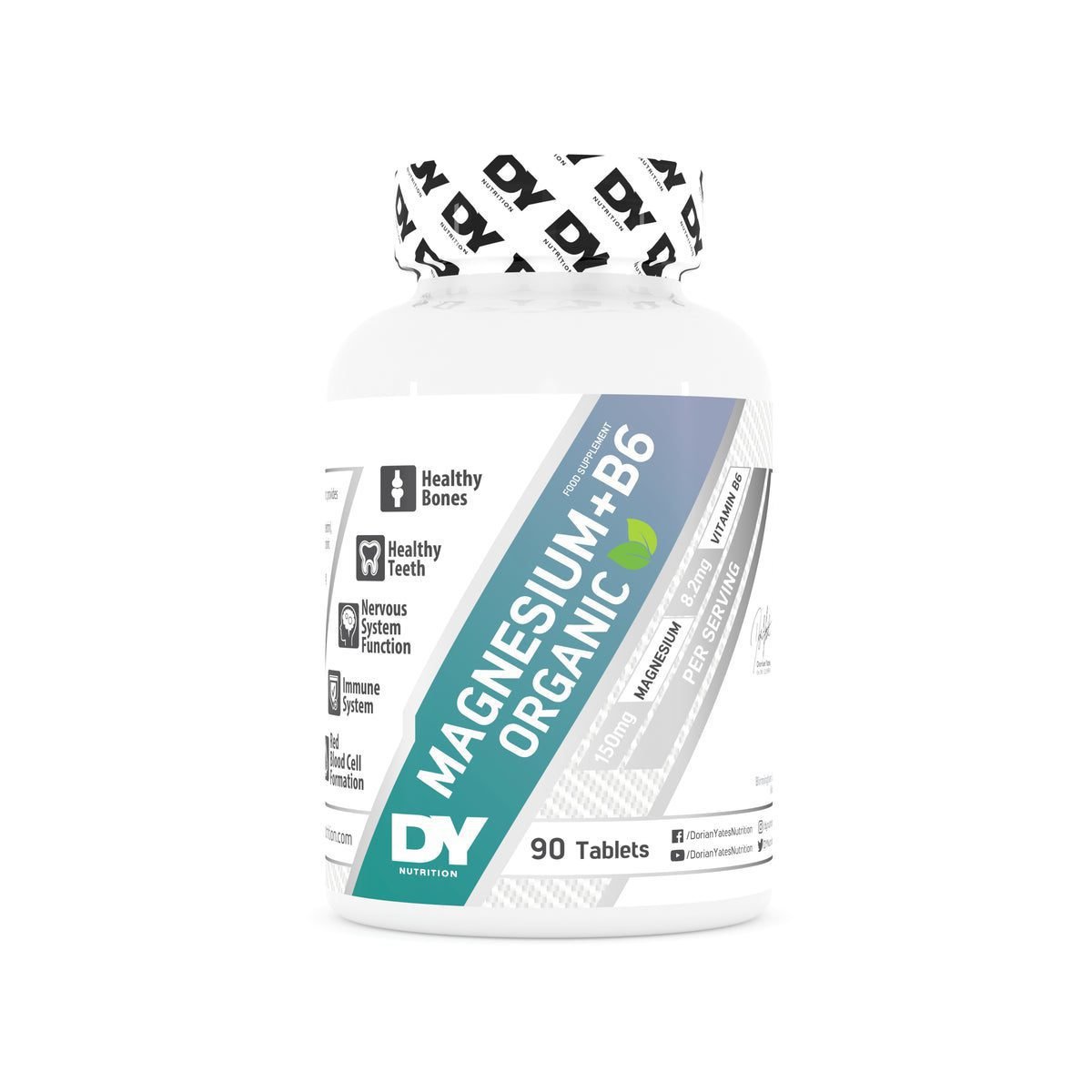
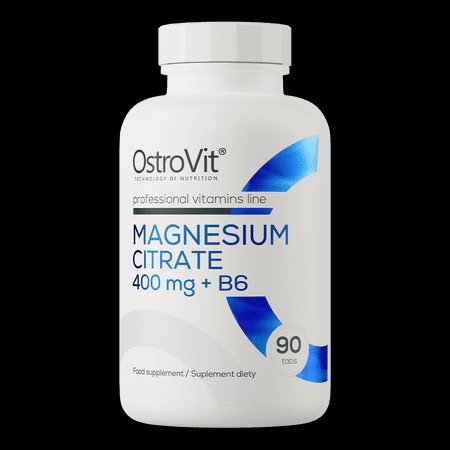

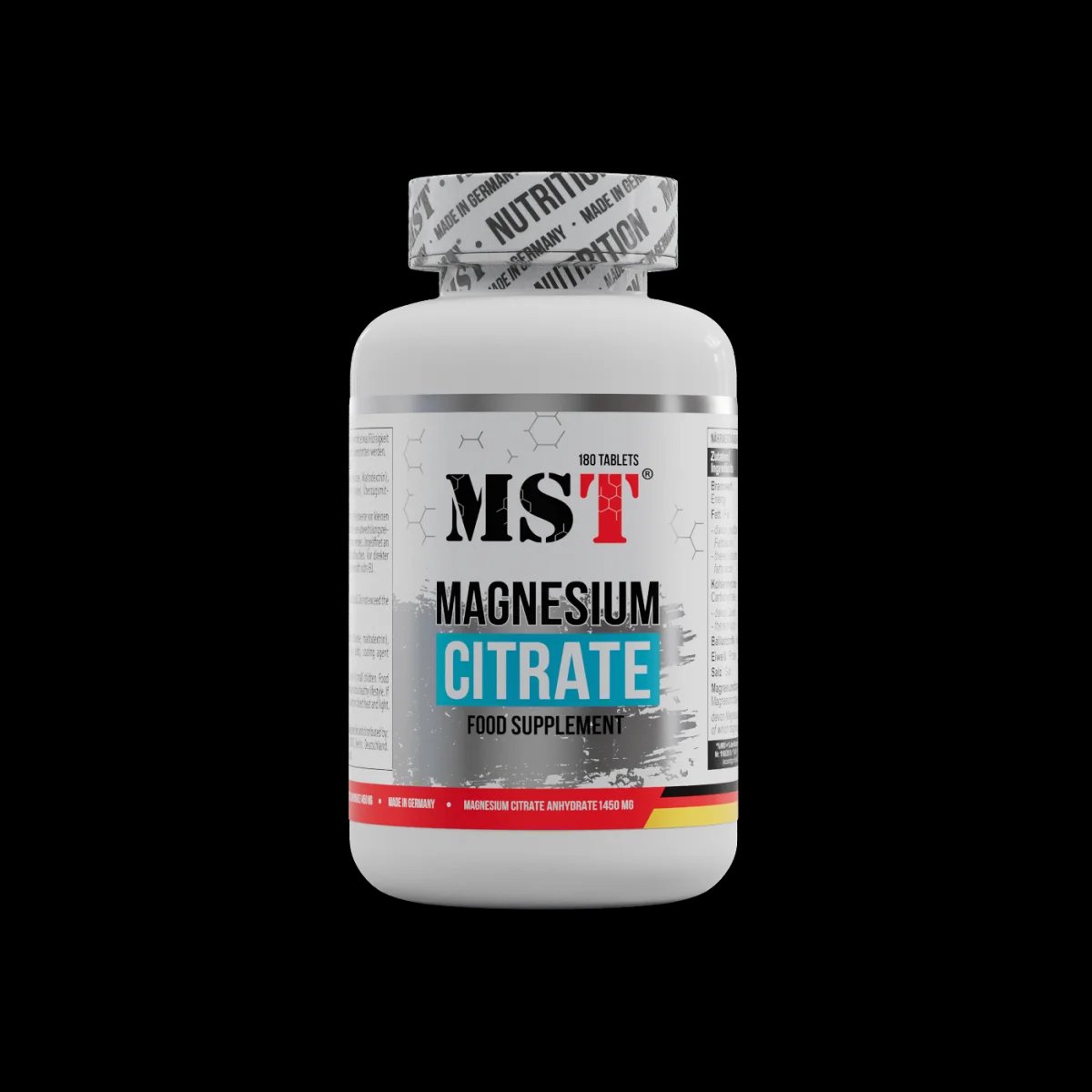

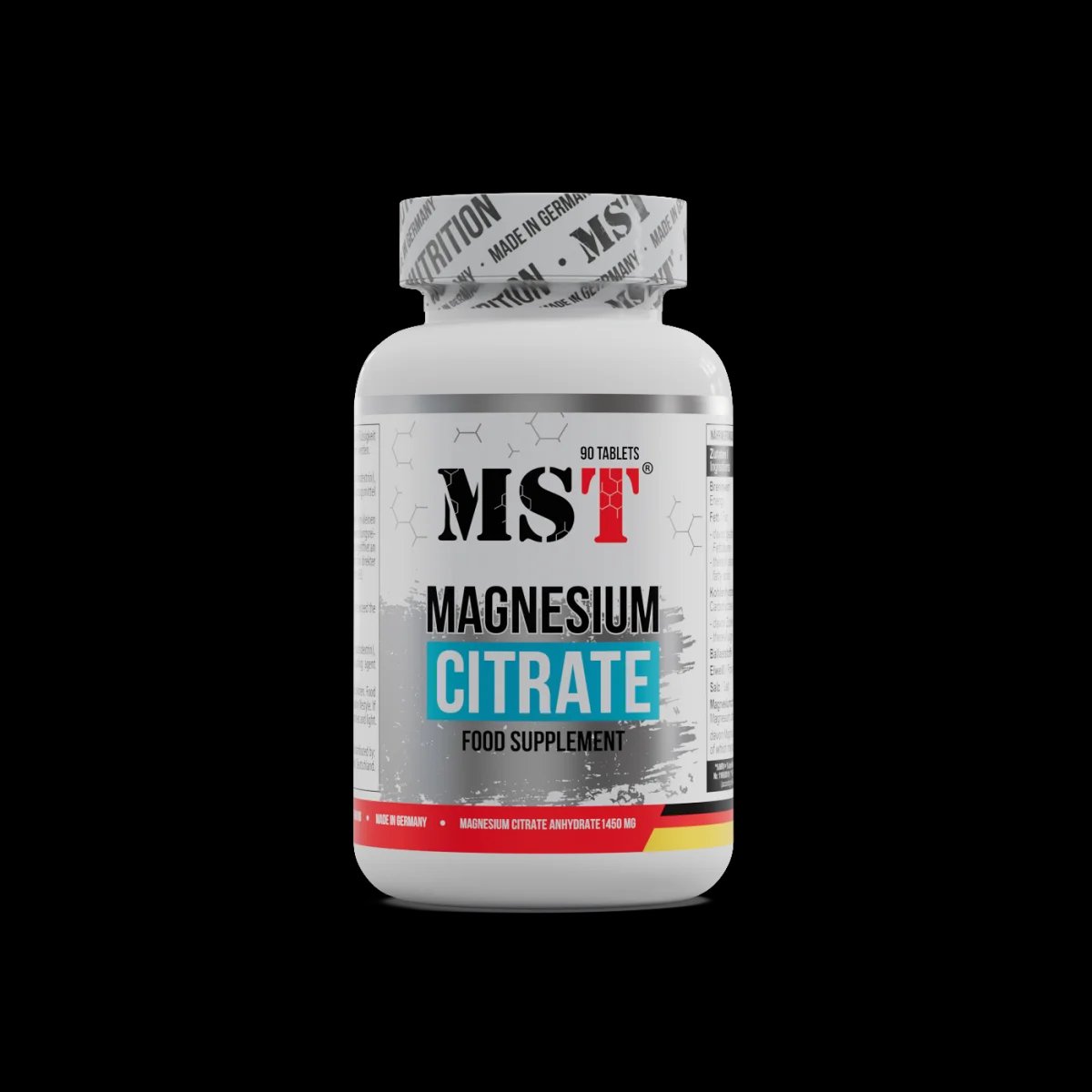

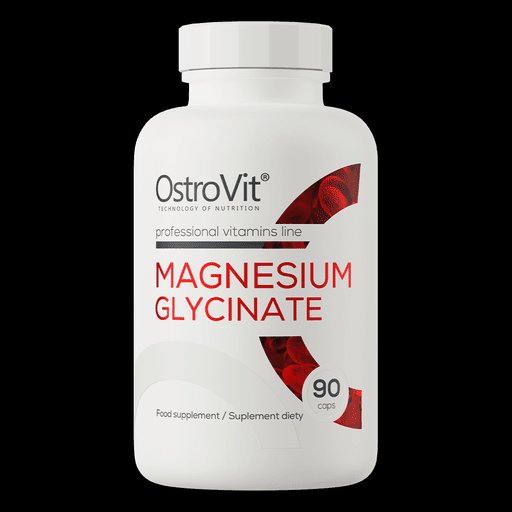
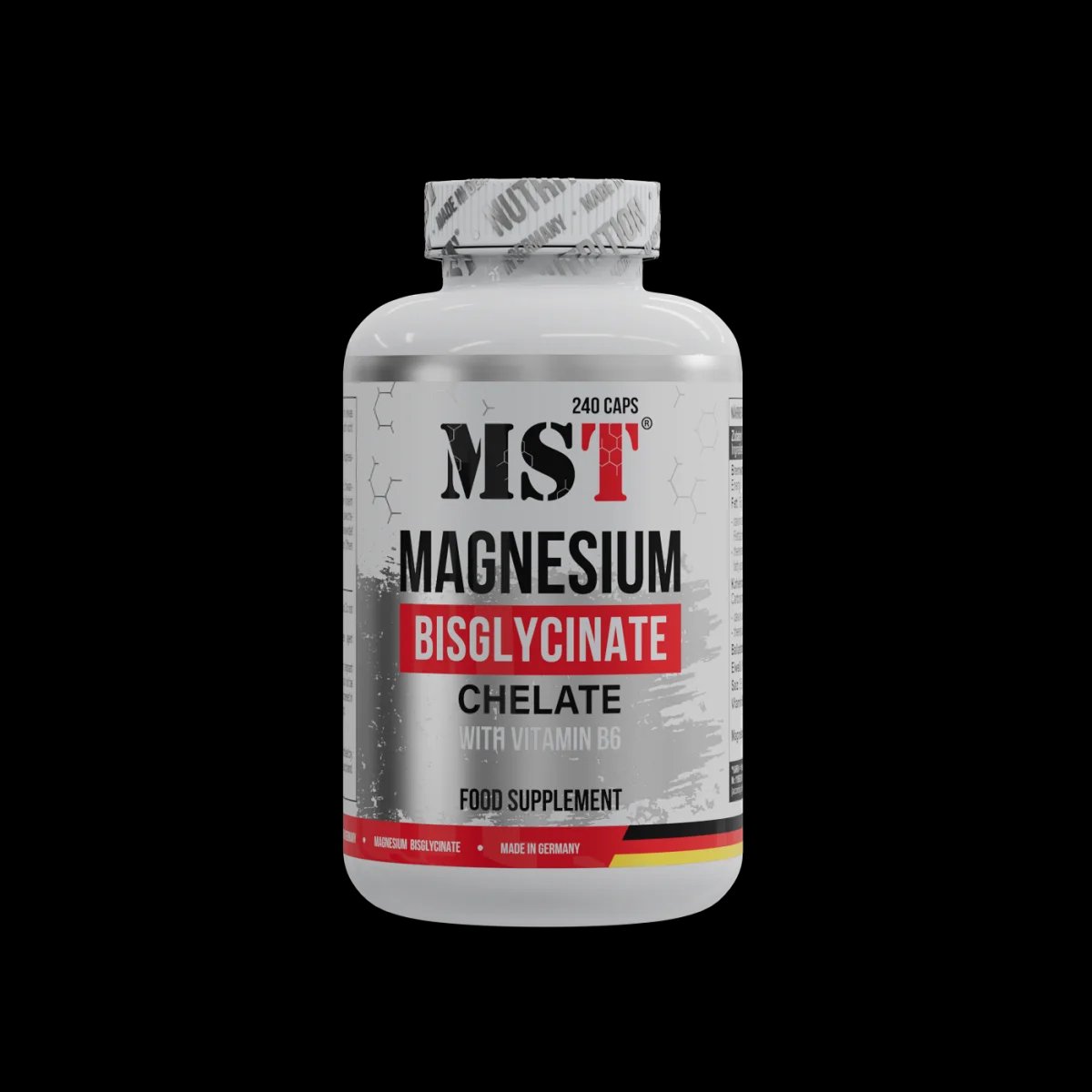
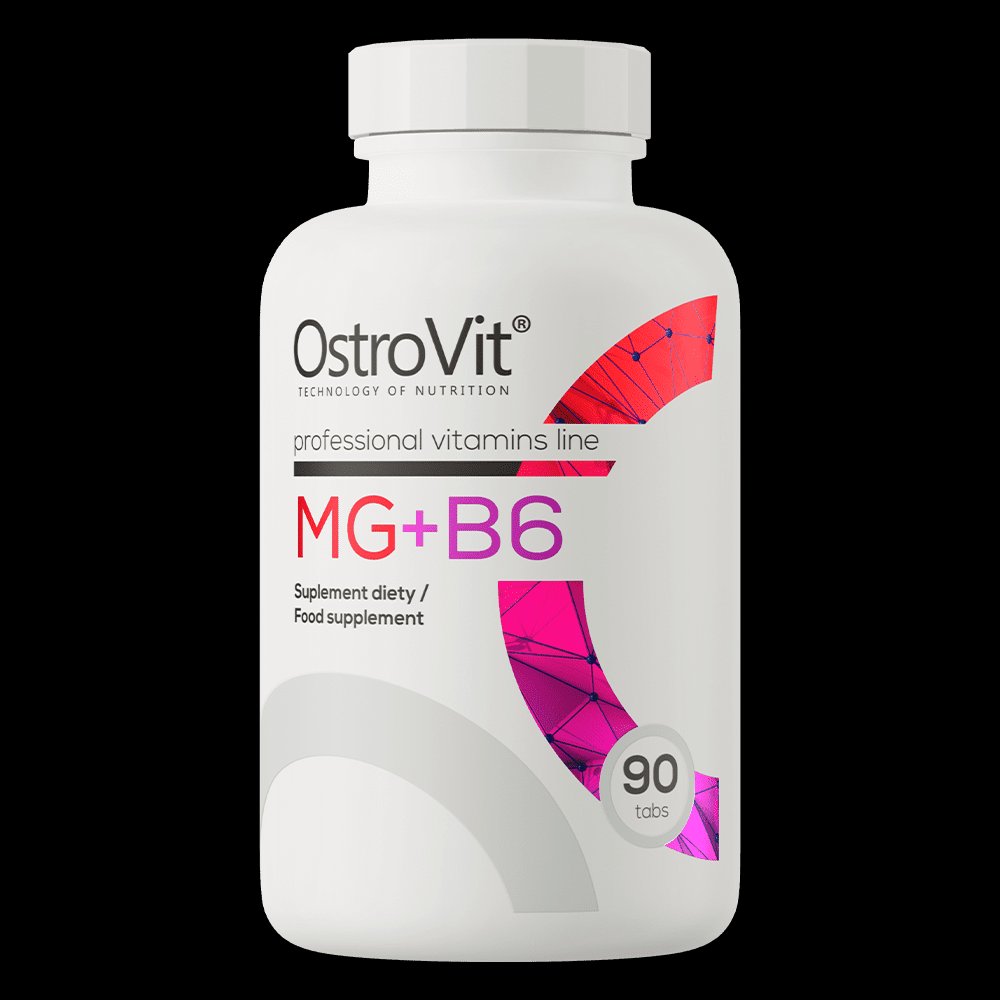
Magnesium contributes to normal nervous system function and muscle function. Magnesium citrate and glycinate are popular evening choices (Abbasi et al., 2012).
- When: 30-60 minutes before bed
- Why evening: supports relaxation and normal muscle function
- Dose: 200-400 mg of elemental magnesium
Zinc
Shop this category — in stock now
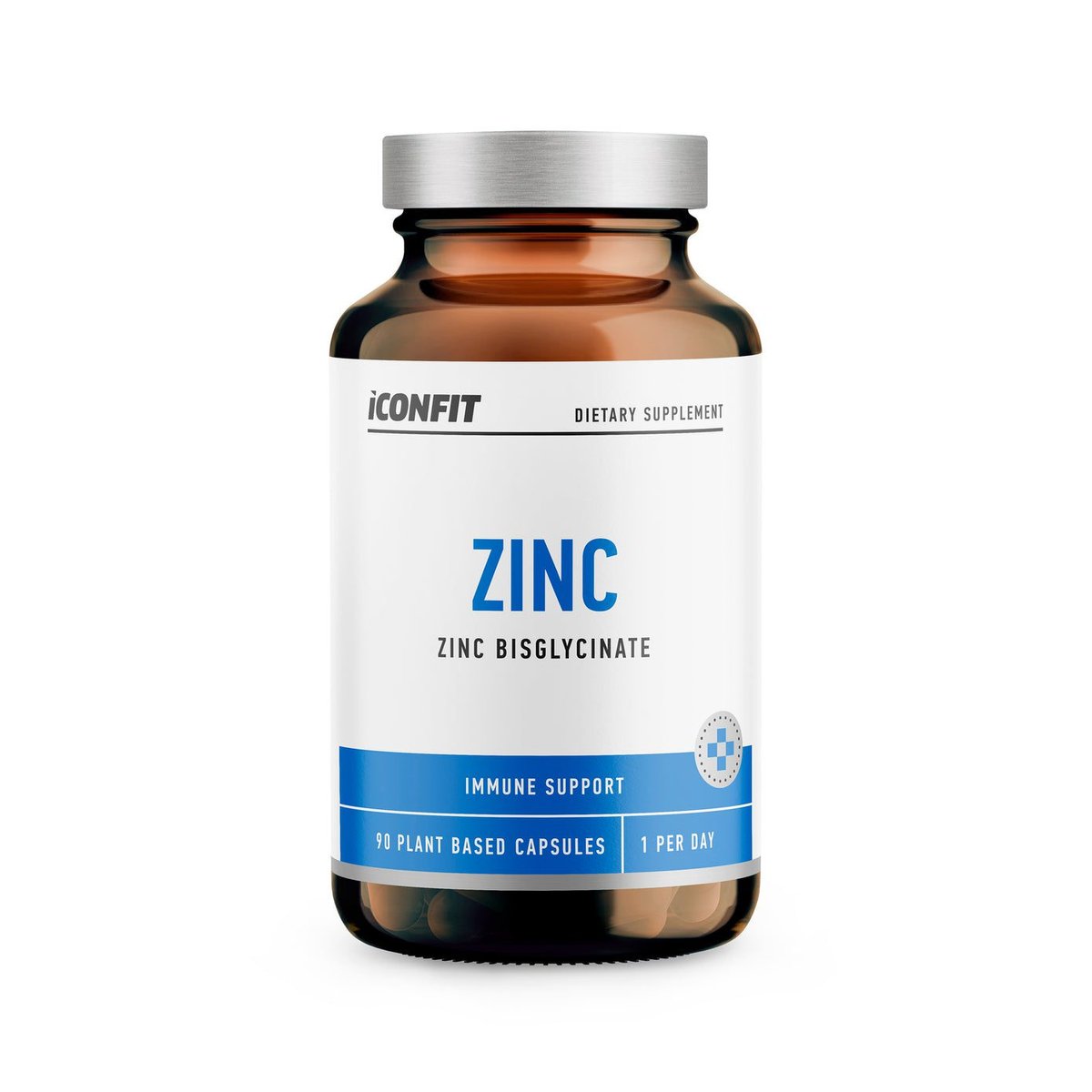
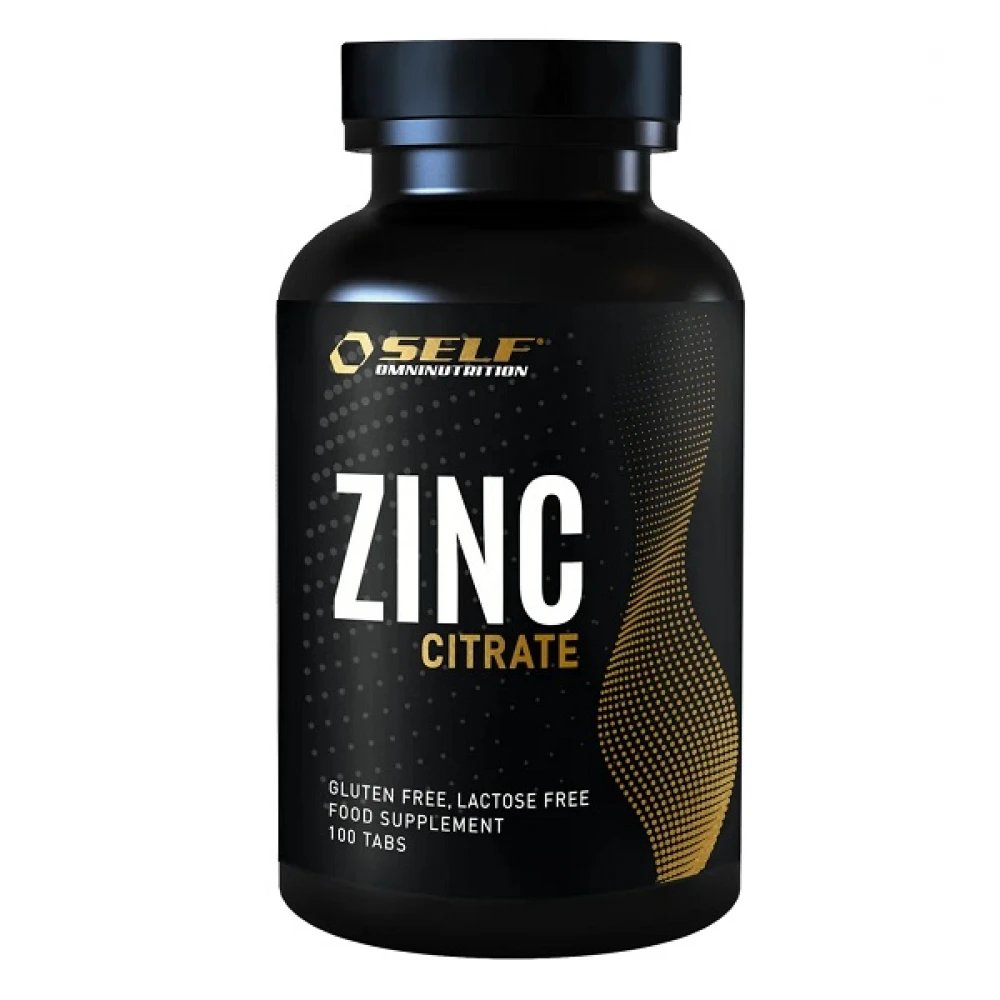
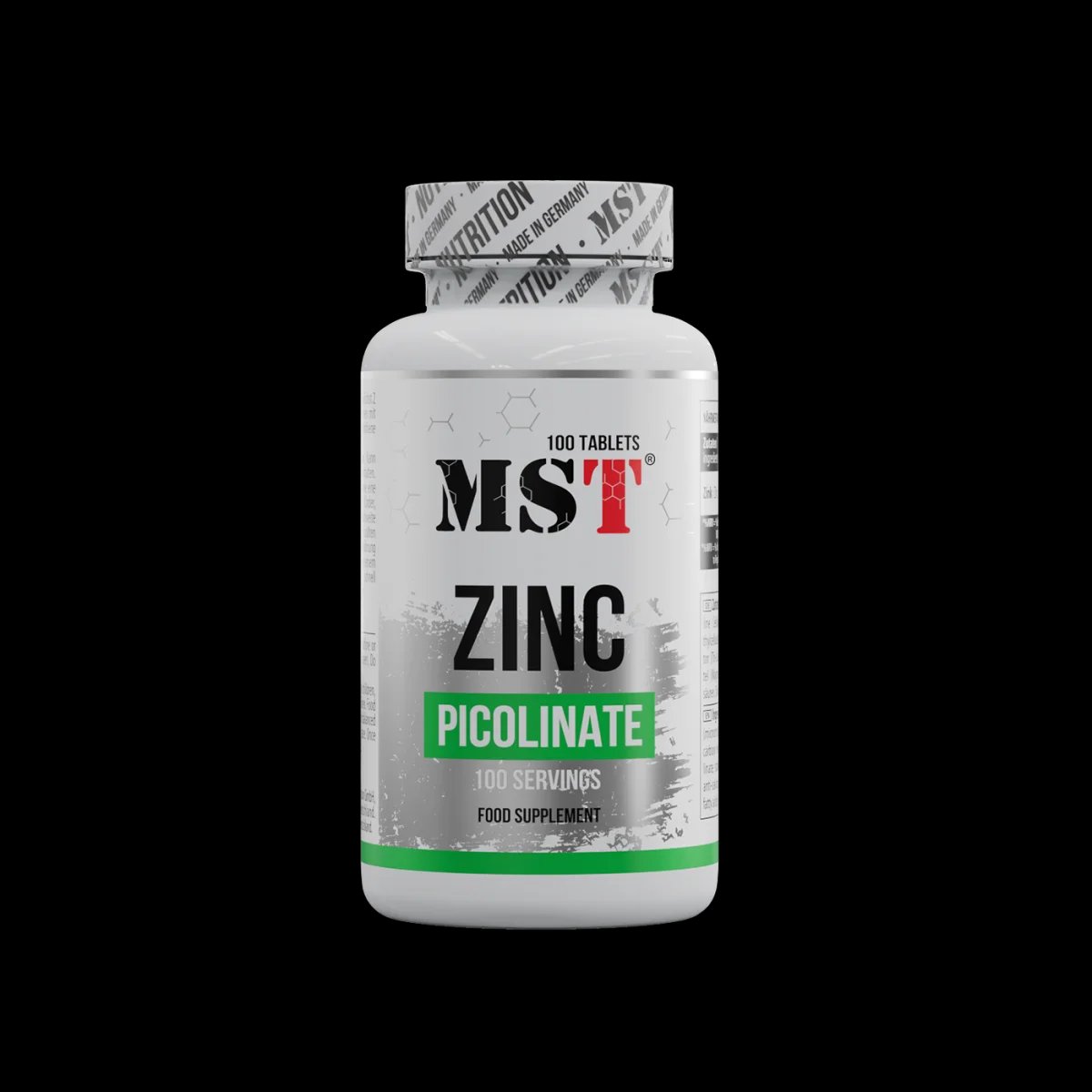
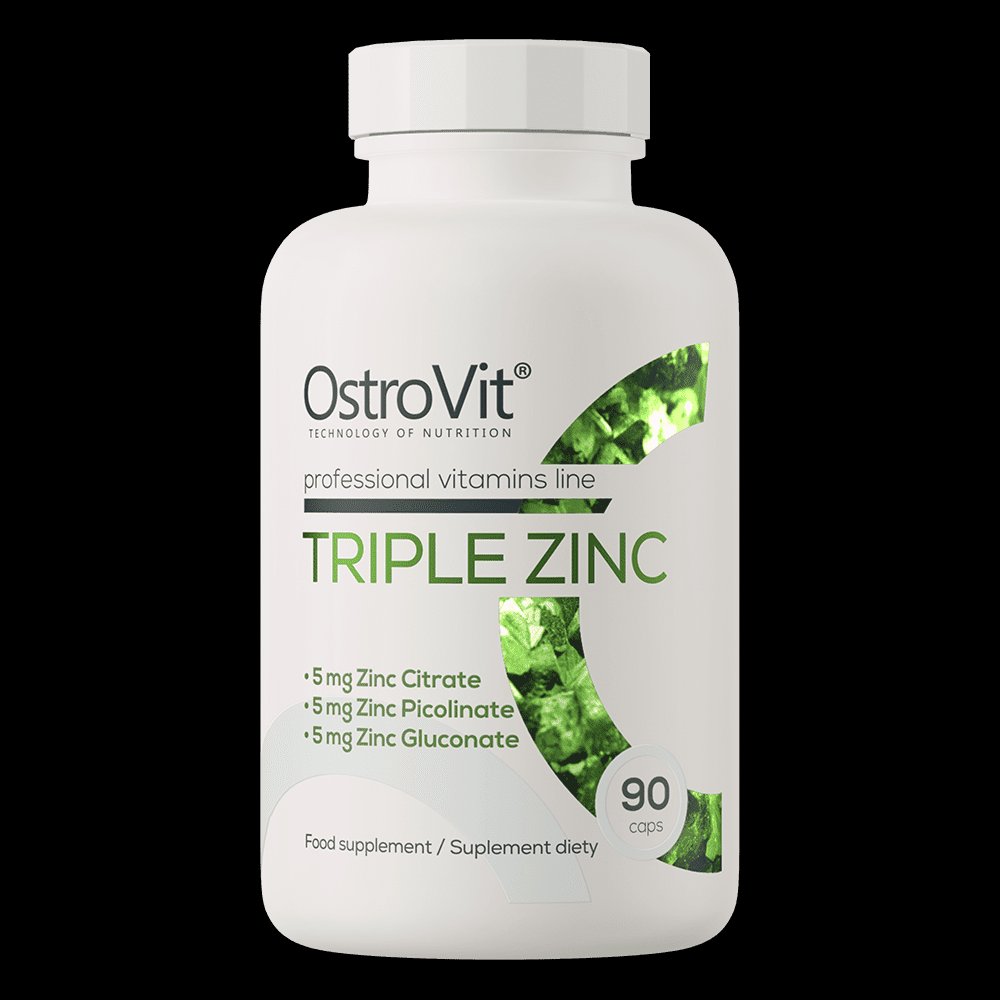
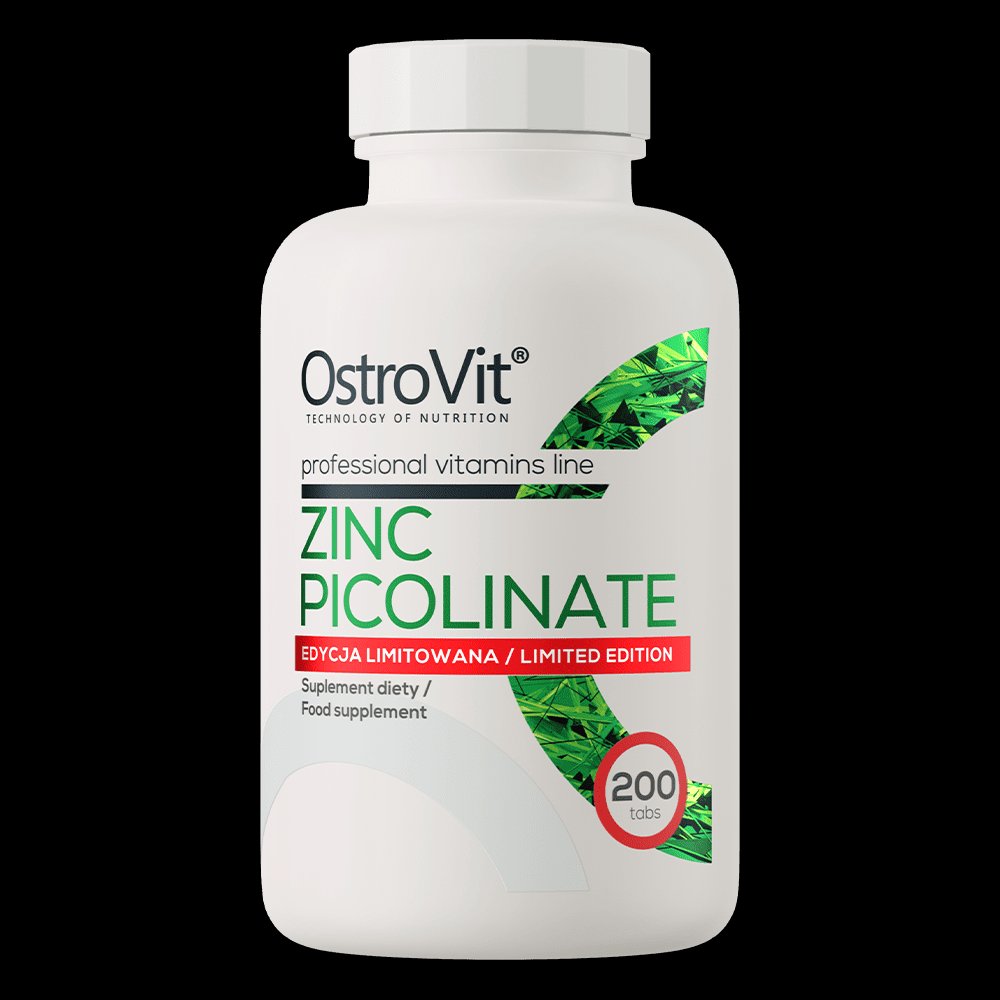

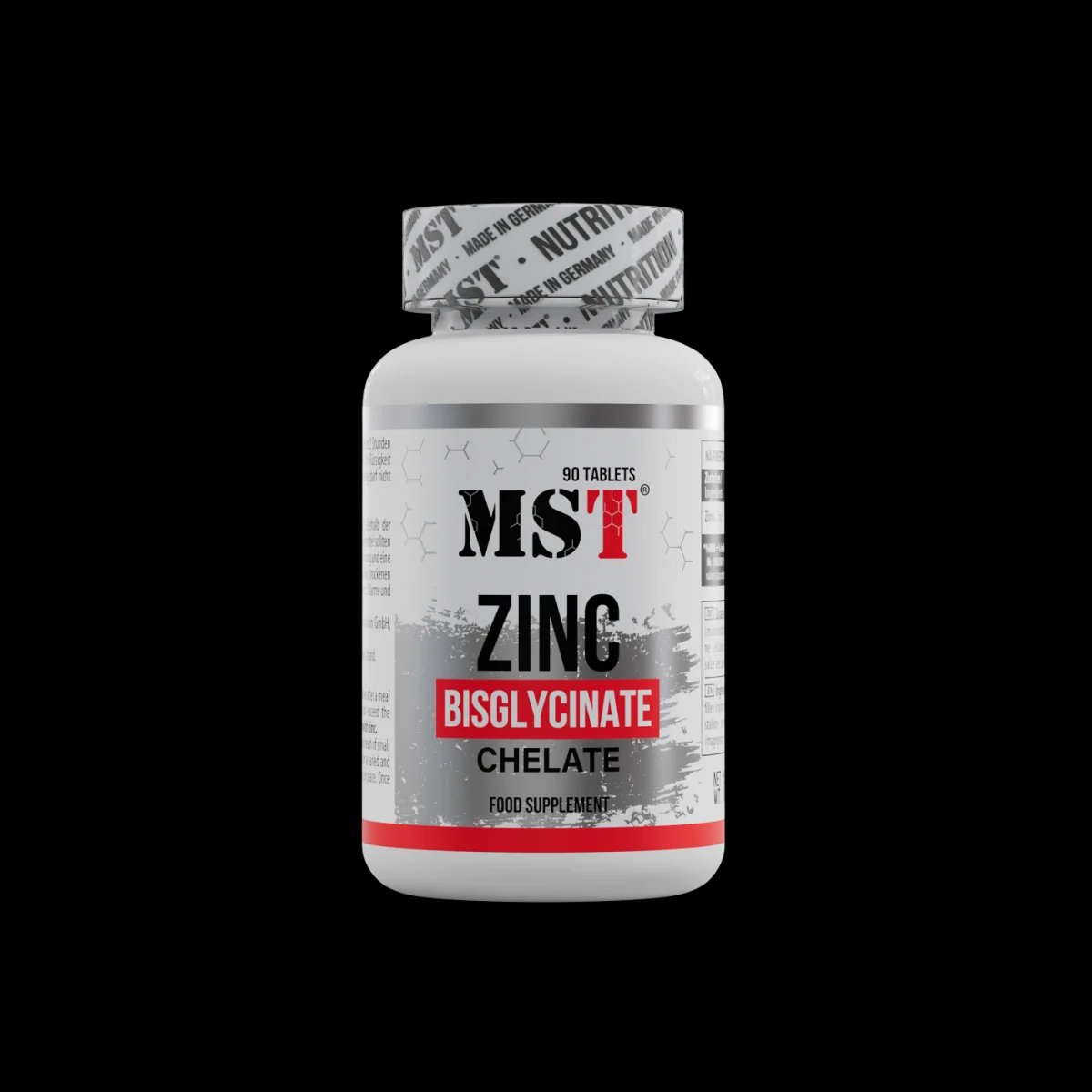
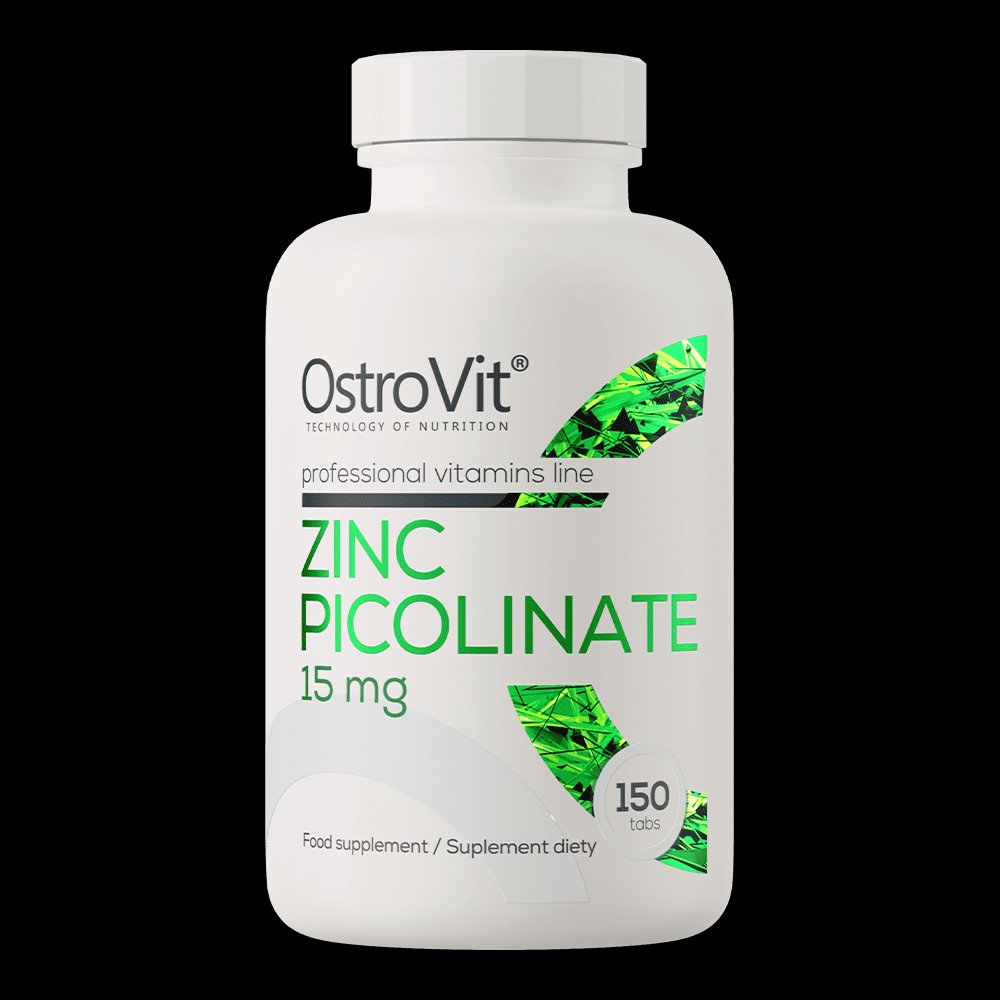
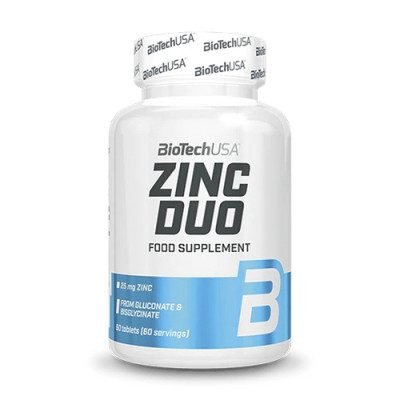
Zinc contributes to normal immune system function and plays a role in cell division. Some people find that zinc in the evening supports better sleep.
- When: with dinner or before bed
- Why evening: doesn't compete with other minerals taken in the morning
- Dose: 15-25 mg per day
- Note: may cause nausea on an empty stomach, take with food
Melatonin (If Needed)
Melatonin helps reduce the time it takes to fall asleep (Ferracioli-Oda et al., 2013). It's intended for short-term use, such as adjusting to time zone changes.
- When: 30-60 minutes before bed
- Why evening: mimics the body's natural melatonin release
- Dose: 0.5-1 mg (start with the lowest dose)
- Important: not for long-term daily use without consulting a doctor
Ashwagandha
Ashwagandha is an adaptogen traditionally used to support relaxation. Scientific evidence suggests it may help during periods of stress (Salve et al., 2019).
- When: with dinner or before bed
- Why evening: supports relaxation after a stressful day
- Dose: 300-600 mg of standardised extract
Glycine
Glycine is an amino acid the body uses for protein synthesis. Some studies suggest it may support sleep quality (Bannai et al., 2012).
- When: 30-60 minutes before bed
- Why evening: may contribute to relaxation
- Dose: 3 g before bed
What NOT to Take Before Bed
- B-vitamins — energy-boosting, may interfere with sleep
- Caffeine — obvious, but green tea extract also contains caffeine
- Vitamin D — some research suggests evening intake may disrupt sleep
- Iron — can cause digestive issues and doesn't need to be taken twice
- Pre-workout products — typically contain caffeine and stimulants
Practical Evening Schedule
- Dinner — zinc + ashwagandha (with food)
- 1 hour before bed — magnesium + glycine
- 30 minutes before bed — melatonin (if needed)
- Throughout the evening — avoid caffeine, B-vitamins, and screens
Common Mistakes
- Using magnesium oxide — it's a poorly absorbed form; prefer citrate or glycinate
- Taking too much melatonin — more isn't better, 0.5-1 mg is often sufficient
- Taking B-vitamins at night — many multivitamins contain B-vitamins, check the label
- Taking zinc on an empty stomach — can cause nausea
- Ignoring hidden stimulant sources — green tea, chocolate, and some herbal extracts contain caffeine
Frequently Asked Questions
Does magnesium cause stomach issues? Magnesium citrate in high doses may have a laxative effect. Magnesium glycinate is gentler on the stomach.
Is it safe to use melatonin daily? Short-term, yes. For long-term use, consult a doctor. The body may adapt and natural production could decrease.
Is ashwagandha safe? For most people, yes. Pregnant, breastfeeding, or those with thyroid issues should consult a doctor first.
Do zinc and magnesium compete with each other? Not significantly at moderate doses. You can take them together.
When should I start feeling the effects? Magnesium and glycine may work from the first evening. Ashwagandha typically needs 2-4 weeks of regular use.
References
- Abbasi, B., Kimiagar, M., Sadeghniiat, K., et al. (2012). The effect of magnesium supplementation on primary insomnia in elderly: A double-blind placebo-controlled clinical trial. Journal of Research in Medical Sciences, 17(12), 1161–1169.
- Bannai, M., Kawai, N., Ono, K., et al. (2012). The effects of glycine on subjective daytime performance in partially sleep-restricted healthy volunteers. Frontiers in Neurology, 3, 61.
- Ferracioli-Oda, E., Qawasmi, A., & Bloch, M. H. (2013). Meta-analysis: melatonin for the treatment of primary sleep disorders. PLoS ONE, 8(5), e63773.
- Salve, J., Pate, S., Debnath, K., & Langade, D. (2019). Adaptogenic and anxiolytic effects of ashwagandha root extract in healthy adults: A double-blind, randomized, placebo-controlled clinical study. Cureus, 11(12), e6466.
- Van Cauter, E., Leproult, R., & Plat, L. (2000). Age-related changes in slow wave sleep and REM sleep and relationship with growth hormone and cortisol levels in healthy men. JAMA, 284(7), 861–868.
See also:
Browse our sleep and relaxation products at MaxFit.ee →
Disclaimer
A food supplement is not a substitute for a varied and balanced diet and a healthy lifestyle.