
What Are Energy Drinks and How Do They Work?
Energy drinks are functional beverages that primarily contain caffeine, B vitamins, taurine, and various extracts. Caffeine is the main active ingredient — it blocks adenosine receptors in the brain, which makes us feel alert and less fatigued (McLellan et al., 2016).
Sports-oriented energy drinks differ from standard convenience-store versions: they typically use cleaner ingredients and are designed to support training performance.
How to Start as a Beginner
If this is your first energy drink, start with a small amount — half a can or roughly 80–100 mg of caffeine. This gives you a clear picture of your individual sensitivity. Some people are very sensitive to caffeine and large doses from the start can cause heart palpitations, anxiety, or sleep disruption.
Always drink enough water alongside — energy drinks do not replace hydration.
What to Expect and When
Effects typically kick in within 15–45 minutes of drinking. The energy boost lasts on average 3–5 hours, after which you may experience a so-called crash — a sudden drop in energy. This is a normal experience, especially for first-time users.
For sport use, drinking an energy drink 20–30 minutes before training lets you make the most of the alertness effect during your session.
Common Mistakes for Beginners
- Too large a dose from the start — always begin with half a can
- Drinking late in the evening — caffeine stays in the system for 5–7 hours and disturbs sleep
- Mixing with alcohol — a dangerous combination to avoid entirely
- Daily use without breaks — caffeine tolerance builds quickly; take regular days off
- Drinking nothing else — an energy drink does not replace your regular fluid intake
How to Choose the Right Product
Beginners do best with lower-caffeine options. Browse the selection at maxfit.ee and take a look at NOCCO Cola 330ml and Cellucor C4 Energy 500ml Apelsin — popular choices in our energy drinks category. For functional energy capsules, check 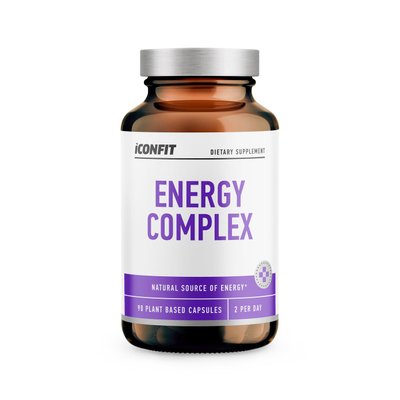 ICONFIT Capsules Energy Complex N90€12.90 In stock in the energy products category.
Always read the label: look for products with clearly listed caffeine content and avoid those heavy in added sugars.
Energy Drinks vs Coffee vs Pre-Workouts
| Product | Caffeine | Extras | Sport use |
|---|---|---|---|
| Regular coffee | 80–120 mg | Minimal | Possible but hard to dose |
| Energy drink | 80–200 mg | B vitamins, taurine | Yes, especially sports versions |
| Pre-workout | 150–300 mg | Beta-alanine, creatine etc | Specifically designed for training |
FAQ
Are energy drinks suitable for under-18s?
Most manufacturers and health authorities advise keeping children and teenagers away from high-caffeine drinks. Age restrictions vary by country.
How often can I consume energy drinks?
It is advisable to limit intake to one can per day and avoid daily use. Take at least 1–2 caffeine-free days per week to preserve caffeine sensitivity.
Can I combine energy drinks with other supplements?
Generally yes, but monitor your total daily caffeine intake. If you already use a caffeine-containing pre-workout, combining both may create a risk of caffeine overconsumption.
References
McLellan, T. M., Caldwell, J. A., & Lieberman, H. R. (2016). A review of caffeine's effects on cognitive, physical and occupational performance. Neuroscience and Biobehavioral Reviews, 71, 294–312. https://pubmed.ncbi.nlm.nih.gov/27612937/
Grandjean, A. C., Reimers, K. J., Bannick, K. E., & Haven, M. C. (2000). The effect of caffeinated, non-caffeinated, caloric and non-caloric beverages on hydration. Journal of the American College of Nutrition, 19(5), 591–600. https://pubmed.ncbi.nlm.nih.gov/11022872/
Seifert, S. M., Schaechter, J. L., Hershorin, E. R., & Lipshultz, S. E. (2011). Health effects of energy drinks on children, adolescents, and young adults. Pediatrics, 127(3), 511–528. https://pubmed.ncbi.nlm.nih.gov/21321035/



