
Why Nutrition Is Critical for Endurance Training
Endurance training success depends on two primary energy sources:
- Glycogen (stored carbohydrates in muscle and liver) — fastest and preferred fuel at higher intensities
- Fat — virtually inexhaustible supply, but only usable at lower intensities
Glycogen stores are limited — approximately 400–600 g (1,600–2,400 kcal). Intensive training depletes them in 60–90 minutes, making pre-, during, and post-exercise nutrition planning critically important (Burke et al., 2011).
The Three Phases of Endurance Nutrition
Phase 1: Pre-Training (2–4 hours before)
Goal: maximal glycogen stores and stable blood sugar for training.
Recommendations:
- 200–300 g carbohydrates (moderate GI foods: oatmeal, rice, pasta)
- 25–40 g protein
- Low fat (slows digestion)
- 400–600 ml water
With limited time (1–2 h before), eat lighter: banana + protein shake or rice cakes with honey.
Phase 2: During Training (sessions > 60 min)
Carbohydrates: below 60 min, in-session fuelling isn't necessary. Above 60 min, target 30–60 g carbohydrates per hour; above 2.5 hours, up to 90 g/h (Jeukendrup, 2014).
Sources: energy gels, isotonic drinks, bananas, dates.
Fluid: 400–800 ml water per hour depending on sweat rate and temperature. Don't wait for thirst — drink regularly.
Electrolytes: sweat depletes sodium, potassium, and magnesium. Sodium is most critical — maintains osmotic balance and prevents hyponatremia on sessions exceeding 3 hours. OstroVit Isotonic 500g Pear delivers both carbohydrates and electrolytes in one convenient formula.
PowerBar PowerGel Hydro 67ml Cherry is a gel-format choice ideal during longer runs, bike rides, or triathlon events — compact and easy to carry.
Phase 3: Post-Training (first 30–60 minutes)
Goal: rapid glycogen replenishment and muscle protein synthesis.
Recommendations (Churchley & Coffey, 2011):
- 0.8–1.2 g/kg carbohydrates within 30–60 min (fast sources: rice, banana, isotonic drink)
- 20–30 g protein (whey optimal for fast absorption)
- 400–600 ml fluid
Macronutrient Requirements for Endurance Athletes
| Macronutrient | Recommended amount | Purpose |
|---|---|---|
| Carbohydrates | 5–12 g/kg/day | Glycogen replenishment |
| Protein | 1.6–2.0 g/kg/day | Muscle repair |
| Fats | 1.0–1.5 g/kg/day | Hormone production |
| Fluid | 35–45 ml/kg/day | Fluid balance |
Key Supplements for Endurance Athletes
Isotonic drinks: Optimum Nutrition Electrolyte Lemon 264g is a practical daily post-training option with electrolytes and B vitamins to support energy levels.
BCAAs for longer sessions: sessions exceeding 90 minutes may benefit from BCAAs to suppress muscle protein breakdown. OstroVit BCAA Shot 80ml Lemon-Lime-Cherry comes ready to drink — convenient for sipping during endurance training.
Creatine monohydrate: useful even for endurance athletes — boosts phosphocreatine stores supporting high-intensity surges during longer aerobic efforts.
Magnesium: endurance athletes lose magnesium through sweat. 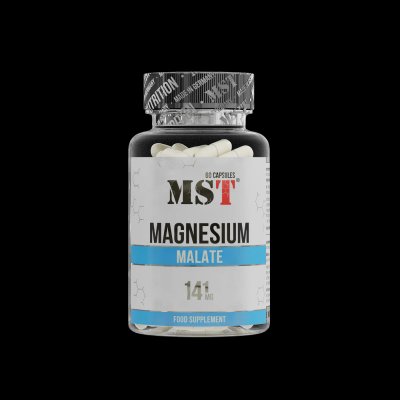 MST Magnesium Malate€15.90 In stock 60caps supports energy metabolism and muscle recovery — available in the magnesium category at maxfit.ee.
Carbohydrate Loading Strategy
For longer events (>90 min), many athletes use carbohydrate loading to maximise glycogen stores:
Classic 3-day loading:
- Day 1: very low carbohydrate
- Days 2–3: high carbohydrate (10–12 g/kg)
Modern approach: 24–36 hours of high carbohydrate intake (up to 10 g/kg) without a preceding depletion phase — delivers similar results with less discomfort (Bussau et al., 2002).
FAQ
Do I need to eat during training if the session is under an hour?
No — sessions under 60 minutes don't require in-session fuelling if a proper pre-training meal was consumed. Maintaining hydration (300–400 ml) remains important.
Can training fasted improve fat burning?
Fasted training improves muscle cells' ability to use fat as fuel (Burke, 2015). However, this approach suits only low-intensity sessions and requires 2–4 weeks of adaptation. It doesn't accelerate weight loss meaningfully.
Which carbohydrates are best during training?
Fast carbohydrates — glucose and fructose in combination (2:1 ratio) — are optimal, because different intestinal transport systems absorb them simultaneously, enabling up to 90 g/h without gastrointestinal issues (Jeukendrup, 2014).
References
- Burke, L. M., et al. (2011). Carbohydrates for training and competition. Journal of Sports Sciences, 29(S1), S17–S27.
- Jeukendrup, A. E. (2014). A step towards personalized sports nutrition: carbohydrate intake during exercise. Sports Medicine, 44(S1), 25–33.
- Churchley, E. G., & Coffey, V. G. (2011). Nutrient provision and skeletal muscle protein synthesis with resistance exercise. Sports Medicine, 41(4), 273–285.
- Bussau, V. A., et al. (2002). Carbohydrate loading in human muscle: an improved 1 day protocol. European Journal of Applied Physiology, 87(3), 290–295.
- Burke, L. M. (2015). Re-examining high-fat diets for sports performance. Sports Medicine, 45(S1), 33–49.