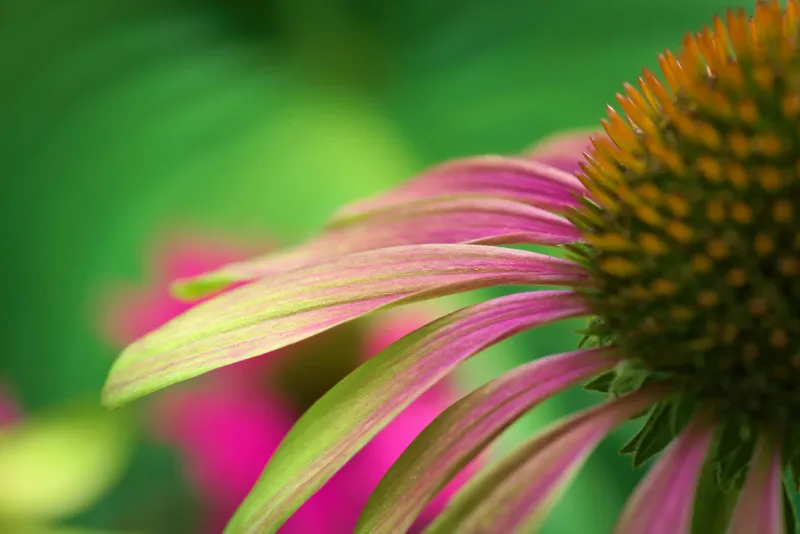
Is Long-Term Echinacea Use Safe?
Echinacea is one of the most widely used herbal supplements in Europe and North America, particularly for immune support during cold and flu season. A common question from regular users is whether it is safe to take echinacea continuously over months or years, or whether cycling — taking planned breaks — is necessary. The science has evolved on this topic, and the picture is more nuanced than older recommendations suggested.
What Long-Term Studies Show
The bulk of safety data on echinacea comes from studies lasting a few weeks to several months, which is the range most commonly researched for immune applications. A review of echinacea safety published in a peer-reviewed pharmacological journal concluded that echinacea preparations are generally well tolerated in adults at recommended doses, with most adverse effects being mild and gastrointestinal in nature (Jawad et al., 2012).
There are fewer rigorous human trials specifically examining continuous use for more than six months. One reason is practical: most clinical trials use echinacea for defined acute periods (e.g., during upper respiratory infections) rather than as continuous prophylaxis. Studies lasting four months have reported no significant adverse effects in otherwise healthy adults.
Allergic reactions are the most clinically important risk, particularly in people with known allergies to plants in the Asteraceae family (which includes ragweed, chrysanthemums, and daisies). For these individuals, echinacea should be avoided regardless of duration.
Upper Safe Limits Over Time
No formal tolerable upper intake level has been established for echinacea. Safety guidance from herbal regulatory bodies generally supports use for defined short-to-medium periods for immune support, with the caveat that data on very long-term continuous use is limited. This limitation in evidence does not equate to evidence of harm — it simply means the research base does not extend to years of continuous daily use in the way that, say, vitamin C or zinc does.
Adults without Asteraceae allergies, autoimmune conditions, or immunosuppressive therapy appear to be at low risk at doses recommended on product labels.
Do You Need to Cycle Echinacea?
The traditional recommendation to cycle echinacea — using it for a few weeks then taking a break — was largely based on theoretical concerns that the immune system might become desensitised to its effects. Human clinical evidence for this hypothesis is weak. A systematic analysis found no clear evidence that continuous use is less effective than cycling, and no clinical harm signal associated with uninterrupted use at standard doses (Jawad et al., 2012).
That said, the pragmatic recommendation of many practitioners — using echinacea seasonally or at the start of illness rather than continuously year-round — has a reasonable basis in the available evidence and reflects how most echinacea trials have been designed.
Monitoring During Long-Term Use
For most healthy adults, no laboratory monitoring is needed during long-term echinacea use. The key things to watch for are:
- Allergic reactions: skin rash, itching, swelling, or breathing difficulty — these warrant discontinuation and medical attention.
- Gastrointestinal effects: mild nausea is the most common reported side effect and often resolves with continued use or taking the supplement with food.
- Interactions: Echinacea can interact with medications that are substrates of CYP3A4 (a liver enzyme involved in metabolising many drugs). People on long-term prescription medications should confirm there are no interactions.
Ostrovit Echinacea 90caps is available at maxfit.ee for those seeking immune support during high-risk periods.
Honest Verdict
Echinacea appears to be well tolerated for defined short-to-medium periods of use in adults without Asteraceae allergies or immune-compromising conditions. Evidence of harm from long-term continuous use is not established, but neither is robust evidence of continued benefit from year-round daily use. The most evidence-supported approach is seasonal or illness-triggered use rather than 365-day continuous supplementation.
FAQ
Can I take echinacea every day for a whole year?
There is no clear evidence of harm from taking echinacea continuously for many months, but most clinical studies have not tested this duration. Many practitioners suggest using it seasonally or at the onset of illness rather than daily throughout the year, since that is the pattern most supported by available research (Jawad et al., 2012).
Who should not take echinacea?
People with known allergies to Asteraceae family plants (ragweed, chrysanthemums, daisies) should avoid echinacea. It is also generally recommended that people with autoimmune conditions or those taking immunosuppressive medications consult a healthcare provider before using echinacea.
Does echinacea stop working if you take it too long?
The theoretical concern about immune tolerance to echinacea has not been confirmed by clinical evidence. Studies have not demonstrated that continuous use is meaningfully less effective than cycling. That said, most of the evidence base uses echinacea for defined periods rather than continuous year-round use.
References
Jawad, M., Schoop, R., Suter, A., Klein, P., & Eccles, R. (2012). Safety and efficacy profile of Echinacea purpurea to prevent common cold episodes: a randomized, double-blind, placebo-controlled trial. Evidence-Based Complementary and Alternative Medicine, 2012, 841315. https://pubmed.ncbi.nlm.nih.gov/23024696/
Block, K. I., & Mead, M. N. (2003). Immune system effects of echinacea, ginseng, and astragalus: a review. Integrative Cancer Therapies, 2(3), 247-267. https://pubmed.ncbi.nlm.nih.gov/15035906/



