
Dietary Shake for Beginners: A Complete Guide
A dietary shake is a meal-replacement or supplemental drink designed to help manage calorie intake, increase protein consumption, or ensure micronutrient coverage when whole food intake is insufficient. For beginners, understanding what a dietary shake actually is — and what it is not — is the first step toward using one effectively.
At maxfit.ee, the following dietary shakes are available: SELF Whey Shake 1kg Vanill, OstroVit Delicious Shake + Vitamin 400g Maapähkel, ICONFIT Diet Shake 495g Maasikas, and 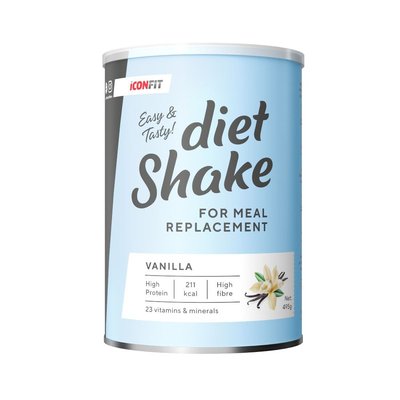 ICONFIT Diet Shake 495g Vanill€13.90 In stock.
What a Dietary Shake Does
Dietary shakes vary in their formulation and purpose:
- Meal replacement shakes: Provide a calorie-controlled, balanced macronutrient and micronutrient profile intended to substitute a full meal.
- Protein shakes: Primarily increase protein intake to support satiety and muscle preservation during a calorie deficit.
- Fortified shakes: Combine protein with vitamins and minerals to cover micronutrient gaps.
The role of higher-protein dietary patterns in weight management is supported by research. A meta-analysis found that higher dietary protein intake was associated with significantly greater weight loss and fat mass reduction compared to lower-protein diets in controlled trials (Wycherley et al., 2012). Replacing one or two meals per day with a calorie-controlled shake is a common strategy to create a calorie deficit while maintaining protein and micronutrient intake.
How to Start
- Define your goal: Are you replacing a meal to reduce calories, or supplementing existing meals to hit a protein target? This determines which product type is right for you.
- Replace one meal at a time: Beginners should start with replacing a single meal (usually breakfast or lunch) rather than two. This allows your body and eating habits to adjust gradually.
- Prepare it consistently: Mix with water or low-fat milk according to the label. Adding fruit, yogurt, or nut butter increases calories — keep track if you are managing calorie intake.
- Drink it instead of, not in addition to, a meal: A common beginner mistake is adding a shake on top of regular meals, which adds calories rather than managing them.
- Pair with whole foods: Dietary shakes are most effective as part of a varied diet — not as a sole food source.
What to Expect and When
- Week 1–2: Adjusting to a liquid meal may feel different from solid food in terms of satiety. Some people find liquid meals less satisfying initially.
- Week 3–6: If used consistently to create a modest calorie deficit, weight changes may become noticeable. The rate depends on overall calorie balance, not the shake itself.
- Digestive adjustment: Some shakes contain fibre, inulin, or lactose. If you are lactose-intolerant, look for lactose-free formulas or water-mixed options.
A dietary shake does not directly cause weight loss — it is a tool that simplifies calorie management when used within an overall healthy eating pattern.
Common Mistakes
- Adding the shake on top of normal meals: This is the most frequent error. A dietary shake replaces a meal or snack — it should not be extra calories on top of a full day of eating.
- Choosing a shake based on flavour alone: Check the macronutrient profile. A good meal-replacement shake should provide a balanced ratio of protein, carbohydrates, and fats, plus vitamins and minerals.
- Expecting to lose weight from the shake itself: Weight loss requires a calorie deficit from your overall diet. A shake is just a tool to make that deficit easier to achieve.
- Using it indefinitely without whole foods: Dietary shakes are meant to complement, not fully replace, a diet based on whole foods. Long-term sole use is not recommended.
- Ignoring sugar content: Some flavoured shakes are high in added sugar. Check the nutrition label and prioritise products with lower sugar content and higher protein.
Choosing a Dietary Shake
When comparing dietary shakes:
| What to check | What to look for |
|---|---|
| Protein per serving | At least 15–25 g for a meal replacement |
| Calories per serving | 200–400 kcal for meal replacement; lower for snack use |
| Fibre content | 3+ g supports satiety |
| Sugar content | Lower is better; check added sugars |
| Vitamins and minerals | A good meal replacement covers a meaningful proportion of daily reference intakes |
| Ingredients | Shorter list with recognisable ingredients is a positive sign |
Explore dietary shake products in the dietary shake category at maxfit.ee.
FAQ
Can I use a dietary shake as my only meal for the day?
No. Dietary shakes are designed to replace one or two meals, not all meals. Very low-calorie approaches replacing all solid food with shakes do exist as medical protocols, but these require medical supervision and are not recommended for self-directed use.
Are dietary shakes suitable for people who exercise?
Yes, particularly protein-enriched dietary shakes. Higher protein intake supports muscle preservation during a calorie deficit, which is especially relevant for people who combine dietary restriction with exercise (Wycherley et al., 2012).
How many times a day can I use a dietary shake?
Most products recommend one to two servings per day as meal replacements, with the rest of the diet coming from whole foods. Using three or more shakes a day as sole nutrition is not a balanced approach and is not recommended without professional guidance.
References
Wycherley, T. P., Moran, L. J., Clifton, P. M., Noakes, M., & Brinkworth, G. D. (2012). Effects of energy-restricted high-protein, low-fat compared with standard-protein, low-fat diets: a meta-analysis of randomized controlled trials. American Journal of Clinical Nutrition, 96(6), 1281-1298. https://pubmed.ncbi.nlm.nih.gov/23097268/



