Curcumin for Vegans: The Plant-Based Anti-Inflammatory
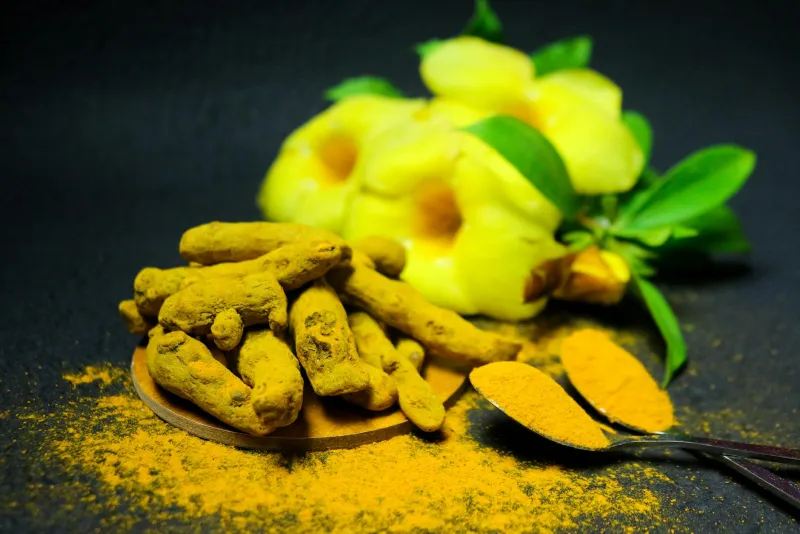
Curcumin is the principal active polyphenol in turmeric (Curcuma longa), the bright yellow spice central to South and Southeast Asian cooking. Because turmeric is entirely plant-derived, curcumin is naturally compatible with vegan and vegetarian diets. The supplement market has exploded with curcumin products, but many contain gelatin capsules or fish oil as bioavailability enhancers — making label reading essential for plant-based consumers.
Why Plant-Based Diets May Benefit from Curcumin
Vegetarian and vegan diets rich in whole foods already provide anti-inflammatory phytochemicals. However, high-volume cooking of turmeric provides relatively low curcumin concentrations — whole dried turmeric root contains roughly 2–5% curcumin by weight. To achieve the doses studied in clinical research, supplemental forms are typically required.
Low-grade chronic inflammation is linked to numerous age-related conditions, and curcumin has been shown in randomised trials to reduce several inflammatory markers. A meta-analysis found that curcumin supplementation significantly reduced C-reactive protein (CRP) levels compared to placebo (Tabrizi et al., 2019). Plant-based diets already trend lower in inflammatory markers, but curcumin may provide additional targeted support.
OstroVit Turmeric + Black pepper + Ginger 90tabs and MST Curcumin NovaSOL 60 liquid caps are available at maxfit.ee — check labels for capsule material if strict veganism is a priority.
The Bioavailability Problem and Vegan Solutions
Raw curcumin has poor absorption from the gut — studies estimate less than 1% reaches systemic circulation unchanged. The supplement industry has developed several strategies to overcome this:
- Piperine (black pepper extract): Piperine inhibits glucuronidation, slowing curcumin breakdown. A landmark study showed piperine increased curcumin bioavailability by approximately 2000% in humans (Shoba et al., 1998). Piperine is plant-derived and vegan.
- Lipid-based formulations: Curcumin dissolved in oils or encapsulated in lipid carriers absorbs better. For vegans, look for formulations using plant-based oils rather than fish oil.
- Phytosome complexes and micellar forms: Novel delivery systems like NovaSOL (liquid micellar curcumin) or BCM-95 (curcumin with turmeric essential oils) can substantially increase absorption without animal-derived ingredients.
Recommended Dose Targets
Clinical trials have used a wide range of curcumin doses. Studies examining anti-inflammatory effects have typically used 500–1500 mg of curcumin per day. The presence of a bioavailability enhancer (piperine, lipid, phytosome) is as important as the milligram dose itself — a 500 mg piperine-enhanced supplement may outperform a 2000 mg unenhanced powder.
For general wellness purposes, starting at 500 mg of standardised curcumin extract with a bioavailability enhancer taken with a fatty meal is a practical approach. Curcumin is fat-soluble; taking it with plant-based fats (avocado, nuts, olive oil) in a meal is particularly relevant for vegans who may not be using dairy.
What to Combine with Curcumin
- Black pepper extract (piperine): The most evidence-backed combination. Most quality supplements include this.
- Healthy fats at mealtime: Increases absorption of fat-soluble curcumin.
- Quercetin: Some evidence that polyphenol combinations may have additive anti-inflammatory effects, though clinical data are preliminary.
- Ginger: Traditional pairing with synergistic digestive and anti-inflammatory properties; the OstroVit Turmeric + Black pepper + Ginger combination incorporates this.
Choosing a Vegan-Friendly Curcumin Product
Key things to check:
- Capsule material: Look for HPMC (hydroxypropyl methylcellulose) or pullulan — both plant-based. Gelatin is bovine-derived. Many brands now specify "vegan capsules."
- No fish-oil matrix: Some curcumin lipid formulations use fish oil. Plant alternatives include sunflower lecithin.
- Third-party certification: Look for vegan society logos or similar independent certification if strictness matters.
- Standardised extract %: Aim for a product that declares curcuminoids %, not just turmeric powder weight.
Browse the curcumin supplement range at maxfit.ee for current in-stock options.
FAQ
Is all turmeric supplement vegan?
Not necessarily. Capsule shells are often gelatin (animal-derived), and some curcumin bioavailability formulations use fish oil. Always check the label and look for explicit vegan certification.
How long does curcumin take to work?
Anti-inflammatory effects in clinical trials are typically measured after 8–12 weeks of consistent supplementation. Some users notice joint comfort improvements earlier, but this varies considerably.
Can I just eat more turmeric instead of supplementing?
Whole turmeric in food provides health-supportive compounds but at much lower curcumin concentrations than supplements. To reach the doses used in research, supplementation is typically needed unless you consume very large amounts of turmeric daily.
References
Tabrizi, R., Vakili, S., Akbari, M., Mirhosseini, N., Lankarani, K. B., Rahimi, M., Mohammadi, A. A., Karamali, M., Ghayour-Mobarhan, M., & Asemi, Z. (2019). The effects of curcumin-containing supplements on biomarkers of inflammation and oxidative stress: a systematic review and meta-analysis. Phytotherapy Research, 33(2), 253-262. https://pubmed.ncbi.nlm.nih.gov/30402990/
Shoba, G., Joy, D., Joseph, T., Majeed, M., Rajendran, R., & Srinivas, P. S. (1998). Influence of piperine on the pharmacokinetics of curcumin in animals and human volunteers. Planta Medica, 64(4), 353-356. https://pubmed.ncbi.nlm.nih.gov/9619120/
Hewlings, S. J., & Kalman, D. S. (2017). Curcumin: a review of its effects on human health. Foods, 6(10), 92. https://pubmed.ncbi.nlm.nih.gov/29065496/



