What Is Choline and Why Does Deficiency Matter?
Choline is an essential nutrient — classified as a vitamin-like compound — required for the synthesis of phosphatidylcholine (a key membrane lipid), acetylcholine (a neurotransmitter), and the methyl-donor cycle via betaine. The body can synthesise a limited amount of choline via the PEMT enzyme pathway, but dietary intake is necessary to meet full requirements. Choline deficiency is more widespread than commonly assumed, in part because it was only classified as essential by health authorities in the late 1990s and does not yet appear on standard food labels in most countries.
Deficiency Symptoms
The symptoms of inadequate choline intake range from mild and non-specific to more serious organ-level effects. Common signs that may indicate suboptimal choline status include:
- Muscle damage: Low choline is associated with muscle cell membrane instability; studies in controlled depletion conditions found elevated creatine kinase and other markers of muscle damage in subjects fed a low-choline diet (Fischer et al., 2007).
- Fatty liver (hepatic steatosis): Choline is required for the export of fat from the liver as VLDL. Without adequate choline, fat accumulates in liver cells. This was among the first clinically documented consequences of choline deficiency.
- Cognitive difficulty: Acetylcholine synthesis depends on choline availability. Suboptimal intake may impair memory and concentration, though this is hard to isolate from other nutrient deficiencies.
- Fatigue: Non-specific but associated with the metabolic roles choline plays in mitochondrial function and methyl-group metabolism.
At-Risk Groups
Certain populations are at measurably higher risk of choline deficiency:
- Pregnant and breastfeeding women: Fetal brain development depends heavily on choline. Needs increase substantially during pregnancy; dietary surveys consistently show many pregnant women in Northern Europe do not meet the adequate intake level.
- Vegans and vegetarians: The richest dietary choline sources are eggs and liver. Plant foods provide choline but at lower densities. Those who exclude all animal products are at greatest risk.
- Postmenopausal women: Oestrogen upregulates the PEMT pathway; after menopause, endogenous synthesis capacity declines, increasing dietary dependence.
- People with PEMT gene variants: Genetic variation in the PEMT enzyme reduces endogenous synthesis, increasing reliance on dietary intake.
- Those with high alcohol intake: Alcohol interferes with choline metabolism and increases demand.
How Deficiency Is Assessed
There is no single routine blood test for choline status widely available in clinical practice. Plasma free choline can be measured, but results vary by timing and fasting status. More commonly, deficiency is inferred from dietary analysis (food frequency questionnaires or diet records estimating daily choline intake against the Adequate Intake reference value) combined with clinical signs. Elevated liver enzymes on routine blood work may prompt investigation.
Nordic and Estonian Context
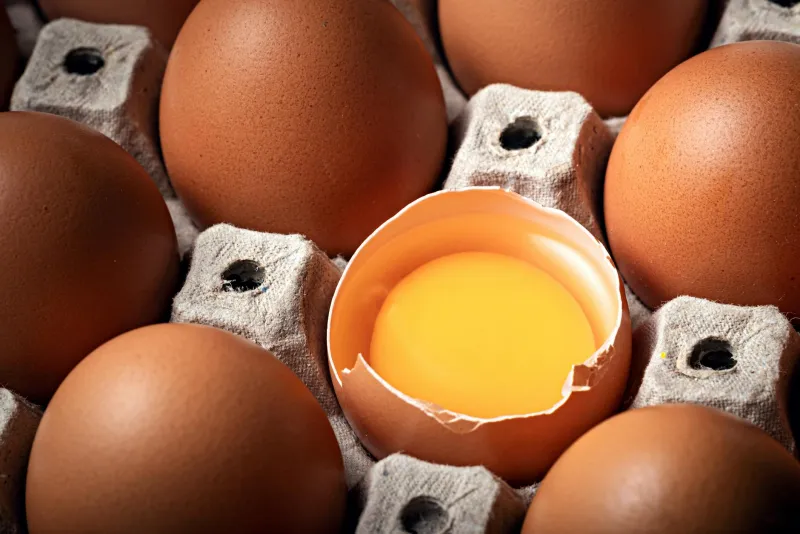
Estonian and Nordic dietary surveys indicate moderate egg consumption among the general population, but the shift toward lower animal-protein diets — especially among younger women — means a non-trivial proportion may have suboptimal choline intake. Whole eggs remain the most practical single food source of choline, providing a concentrated amount per egg.
When to Supplement vs Diet
- Diet-first approach: If you eat 2-3 eggs most days and include some meat or fish, dietary intake may already be adequate. Assess your actual intake before supplementing.
- Supplement makes sense when: You follow a strict vegan or plant-heavy diet, you are pregnant or planning pregnancy, you have documented fatty liver or related metabolic issues, or your diet diary consistently falls short of the adequate intake reference.
At maxfit.ee the choline category includes OstroVit Liver Aid 90caps (which contains choline as a hepatic support ingredient) and OstroVit Choline 200g Naturaalne.
FAQ
What are the first signs of choline deficiency?
Early signs are often non-specific: fatigue, difficulty concentrating, and mild muscle achiness. As deficiency deepens, markers of liver stress (elevated liver enzymes on blood tests) and measurable muscle damage markers may appear (Fischer et al., 2007).
Is choline deficiency tested in routine blood work?
Not routinely. Plasma free choline measurement is available in specialised labs but not standard in general health screenings. Deficiency is most often identified through dietary assessment and correlation with clinical symptoms.
Can pregnant women get enough choline from food?
Possibly, but dietary surveys show many pregnant women in Northern Europe do not reach the adequate intake reference level. Eggs and liver are the most effective food sources; supplementation is a pragmatic insurance strategy for those who eat few of these foods.
References
Fischer, L. M., daCosta, K. A., Kwock, L., Stewart, P. W., Lu, T. S., Stabler, S. P., Allen, R. H., & Zeisel, S. H. (2007). Sex and menopausal status influence human dietary requirements for the nutrient choline. American Journal of Clinical Nutrition, 85(5), 1275-1285. https://pubmed.ncbi.nlm.nih.gov/17490963/
Zeisel, S. H., & da Costa, K. A. (2009). Choline: an essential nutrient for public health. Nutrition Reviews, 67(11), 615-623. https://pubmed.ncbi.nlm.nih.gov/19906248/



