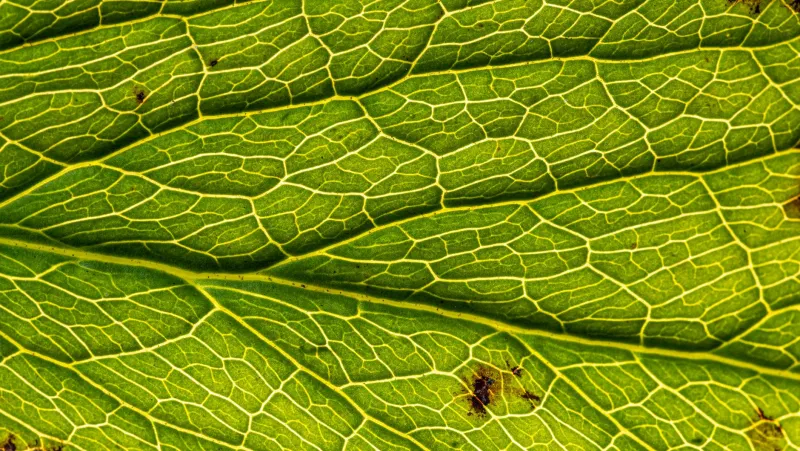
What Is Chlorophyll and What Does It Do?
Chlorophyll is the green pigment that enables plants to convert sunlight into energy through photosynthesis. In supplement form, it is typically sold as chlorophyllin — a water-soluble, semi-synthetic derivative of natural chlorophyll that is more stable and easier to absorb.
For beginners exploring chlorophyll, the appeal lies in several overlapping areas. Chlorophyllin has a well-documented deodorising effect: a controlled trial found that oral chlorophyllin tablets significantly reduced faecal odour in elderly, incontinent subjects (Young & Beregi, 1980 — note: this is a foundational study). More recent interest centres on its antioxidant properties and potential to support normal detoxification pathways. Some laboratory studies have shown that chlorophyllin can bind to certain dietary mutagens and reduce their uptake in the digestive tract (Egner et al., 2001).
It is important to frame expectations correctly. Chlorophyll is not a medicine and cannot treat or prevent disease. It is a complementary addition to a balanced diet, not a replacement for vegetables.
How to Start Taking Chlorophyll
Liquid chlorophyllin drops are the most common beginner format. They are added to a glass of water, which turns an appealing emerald green. Capsule and tablet forms are equally effective and better suited to people who dislike the mild earthy taste.
Start with the serving size on the label — typically one serving once daily with a meal. There is no established minimum effective dose for general wellness purposes, so there is no need to exceed the label recommendation.
Practical tips for beginners:
- Take with food to minimise any digestive sensitivity during the first few days.
- Be aware that chlorophyllin can colour stools and urine green — this is harmless and expected.
- Store liquid drops in the refrigerator after opening to preserve potency.
You can browse the chlorophyll supplement range at maxfit.ee to compare liquid and capsule options.
What to Expect and When
The deodorising effect is typically the fastest to notice. Some people report reduced body and breath odour within the first one to two weeks of consistent use. This is the best-studied application of oral chlorophyllin (Egner et al., 2001).
Other commonly reported effects — improved energy, clearer skin, better digestion — are largely anecdotal and not supported by robust clinical data. If you notice improvements in these areas, they may reflect broader positive dietary habits rather than a direct pharmacological action of chlorophyll itself.
Give the supplement at least four weeks of consistent use before drawing conclusions.
Common Mistakes Beginners Make
Expecting dramatic detox effects immediately. The popular social-media narrative around chlorophyll as a powerful detoxifier is exaggerated. The science supports modest, gradual effects.
Taking it on an empty stomach. Some people experience mild nausea when starting. Taking it with food resolves this for most people.
Stopping too soon. Many people try chlorophyll for a week and see no transformative change. Real benefits, particularly the deodorising effect, are cumulative and more noticeable over weeks.
Exceeding the label dose unnecessarily. More is not better here. The research on beneficial effects uses moderate doses consistent with standard label recommendations.
Choosing a Chlorophyll Product
Look for products that clearly state the form of chlorophyll (chlorophyllin vs. whole-leaf extract) and the amount per serving. Liquid drops and softgels typically deliver chlorophyllin in a readily absorbed form. Whole-leaf spirulina or wheatgrass powders contain natural chlorophyll but in much smaller, less consistent quantities.
When choosing, consider:
- Form: liquid drops for convenience; capsules for taste-neutral dosing.
- Concentration: check the mg of chlorophyllin per serving on the label.
- Additives: prefer products with minimal fillers.
If you cannot find a standalone chlorophyll product, look for it combined with other greens complexes available at maxfit.ee.
FAQ
Is chlorophyll safe for daily use?
Oral chlorophyllin has a long history of use and is generally considered safe for most healthy adults when taken at label-recommended doses. Some people report temporary digestive discomfort when starting. Consult a healthcare provider if you are pregnant, breastfeeding, or taking medications.
Can I get enough chlorophyll from food alone?
Dark leafy greens — spinach, kale, parsley — are rich natural sources. A diet high in these vegetables provides meaningful amounts of natural chlorophyll. Supplements are useful for people who want a concentrated, consistent dose without eating large amounts of greens daily.
Does chlorophyll really help with body odour?
The deodorising effect has the strongest clinical backing of any chlorophyll claim. Controlled studies have documented reduced faecal odour with oral chlorophyllin use (Egner et al., 2001). Whether it affects body odour from sweat is less certain — existing evidence is largely anecdotal.
References
Egner, P. A., Wang, J. B., Zhu, Y. R., Zhang, B. C., Wu, Y., Zhang, Q. N., Qian, G. S., Kuang, S. Y., Gange, S. J., Jacobson, L. P., Munoz, A., Groopman, J. D., Helzlsouer, K. J., & Kensler, T. W. (2001). Chlorophyllin intervention reduces aflatoxin-DNA adducts in individuals at high risk for liver cancer. Proceedings of the National Academy of Sciences, 98(25), 14601-14606. https://pubmed.ncbi.nlm.nih.gov/11724948/
Kensler, T. W., Egner, P. A., Wang, J. B., Zhu, Y. R., Zhang, B. C., Lu, P. X., Chen, J. G., Qian, G. S., Kuang, S. Y., Jackson, P. E., Gange, S. J., Jacobson, L. P., Munoz, A., & Groopman, J. D. (2004). Chemoprevention of hepatocellular carcinoma in aflatoxin endemic areas. Gastroenterology, 127(5 Suppl 1), S310-S318. https://pubmed.ncbi.nlm.nih.gov/15508099/



