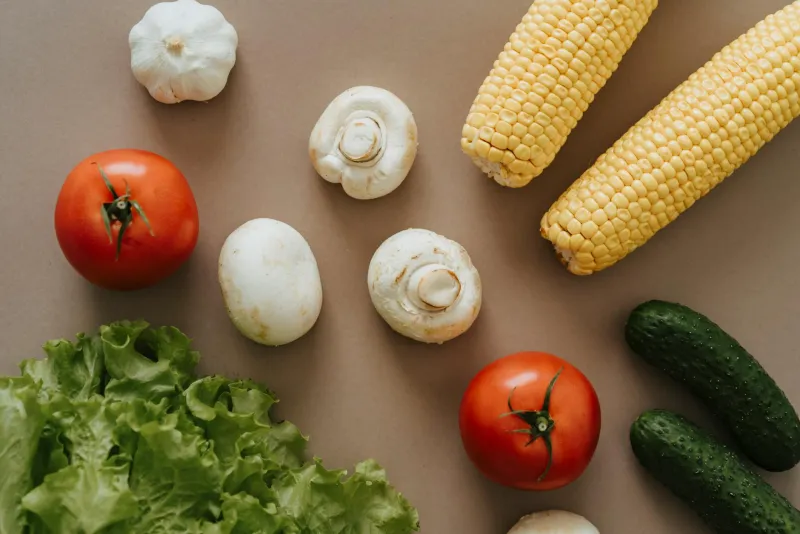
Natural Food Sources of Children's Vitamins
Children's vitamin needs are proportionally higher per kilogram of body weight than adults' during periods of rapid growth. Most healthy children eating a varied diet will meet their requirements through food, but a few vitamins — particularly vitamin D in northern Europe and sometimes vitamin B12 in children following plant-based diets — deserve special attention. This guide covers the best food sources, how cooking and storage affect nutrient levels, and when a supplement may be appropriate.
Key Vitamins and Their Best Food Sources
Vitamin D
Vitamin D is the nutrient most likely to fall short in children living in high-latitude countries like Estonia, regardless of dietary quality, because sun exposure during October to March is insufficient for adequate skin synthesis in any age group.
Best food sources:
- Fatty fish: salmon, mackerel, herring, sardines
- Cod liver oil (the most concentrated source)
- Egg yolks
- UV-irradiated mushrooms (can contain meaningful amounts)
- Fortified dairy products, plant milks, and breakfast cereals
Vitamin A
Vitamin A supports vision, immune function, and normal growth. Children's requirements per kilogram are higher than adults.
Best food sources:
- Liver and other organ meats (preformed retinol — the most bioavailable form)
- Orange and yellow vegetables: carrots, sweet potato, butternut squash (provide beta-carotene, converted to vitamin A)
- Dark leafy greens: spinach, kale
- Eggs, dairy products
- Oily fish
Vitamin C
Vitamin C supports immune function, collagen synthesis, and enhances iron absorption from plant foods — important for children's growth.
Best food sources:
- Bell peppers (especially red)
- Citrus fruit (oranges, kiwi, grapefruit)
- Strawberries and other berries
- Broccoli, Brussels sprouts
- Tomatoes
Vitamin B12
Vitamin B12 is essential for neurological development and red blood cell production. It is found almost exclusively in animal products.
Best food sources:
- Meat, fish, poultry
- Dairy products and eggs
- Fortified plant milks and breakfast cereals (critical for children on plant-based diets)
Children on vegetarian or vegan diets who do not consume dairy or eggs are at significant risk for B12 deficiency and should supplement; dietary sources alone are insufficient (Allen, 2009).
Vitamin B6 and Folate
Vitamin B6 supports brain development; folate supports cell division during rapid growth. Both are well-distributed in whole foods:
- Legumes (beans, lentils, chickpeas) are excellent sources of folate
- Meat, fish, and starchy vegetables provide B6
- Dark leafy greens supply both
Bioavailability from Food vs Supplement
For most vitamins, food sources are well bioavailable when variety is adequate. The important practical distinction for children:
| Vitamin | Food Source Efficiency | Note |
|---|---|---|
| D | Low from food; sun-dependent | Supplement often warranted Oct–Mar |
| A (beta-carotene) | Variable; fat co-ingestion needed | Pair with small amount of fat |
| B12 | Good from animal foods; low from plants | Supplement essential on vegan diets |
| C | Good; heat-sensitive | Raw or lightly cooked preserves more |
| Folate | Good from legumes, greens | Cooking reduces some folate content |
Daily Targets from Diet
For context: children aged 4–10 have approximate daily targets that include meaningful amounts of C and A from vegetables, B12 from a portion of meat, fish, or dairy, and D that is very difficult to meet from food alone in northern Europe without a supplement. A varied omnivorous diet covering all food groups provides most nutrients; the main supplementation question is vitamin D.
Cooking and Storage Effects
- Vitamin C: heat and water destroys it quickly. Steaming or briefly stir-frying preserves significantly more than boiling. Frozen vegetables retain most vitamin C as they are blanched rapidly after harvesting.
- Folate: sensitive to heat and water; up to 50% can be lost in boiling. Prefer steaming or raw preparations of folate-rich foods.
- Vitamin A (beta-carotene): actually better absorbed after light cooking with fat. Lightly cooked carrots with a small amount of oil have better beta-carotene bioavailability than raw (Rock et al., 1998).
- B vitamins (B6, B12): relatively stable during moderate cooking; avoid prolonged high-heat cooking of meat to preserve B12.
- Vitamin D and fat-soluble vitamins: minimal cooking loss; fat in the meal aids absorption.
When Food Is Not Enough
- Vitamin D supplementation: In Estonia and similar northern European latitudes, vitamin D supplementation is widely recommended for children during autumn and winter months. This is a practical necessity arising from limited sun exposure, not a reflection of poor dietary quality.
- Vegan and strict vegetarian children: require vitamin B12 from fortified foods or supplements. Without it, neurological consequences of deficiency can develop over months (Allen, 2009).
- Picky eaters: children with very limited dietary variety over extended periods may fall short on several micronutrients. A children's multivitamin can fill gaps without displacing positive food habits. Products from maxfit.ee such as MST Vitamin Kick - 60 Tablets or SELF Multivitamin 60caps are designed for adults, so for children specifically look for age-appropriate formulations.
- Children with certain health conditions: malabsorptive conditions (coeliac disease, Crohn's, cystic fibrosis) significantly increase risk of multiple micronutrient deficiencies and warrant specialist assessment.
FAQ
Do healthy children eating a varied diet need a multivitamin?
Most healthy children eating an omnivorous varied diet do not require a broad multivitamin. The exception most relevant in northern Europe is vitamin D during winter months. For families following plant-based diets, targeted B12 and potentially D supplementation is important.
Can children get too much vitamin A from food?
Excessive intake of preformed vitamin A (retinol from liver) is the main food-based risk. Liver is nutritious but dense in retinol — serving it more than once weekly to young children is generally not recommended. Beta-carotene from vegetables does not carry this risk because the body regulates its conversion to vitamin A.
At what age can children start taking multivitamins?
This depends on the formulation. Many children's vitamins are designed for ages 2 and above. For infants and toddlers under 2, specific vitamin drops (particularly vitamin D) recommended by healthcare providers are more appropriate than tablets or chewable multivitamins. Always choose an age-appropriate formulation and follow label dosing.
References
Allen, L. H. (2009). How common is vitamin B-12 deficiency? American Journal of Clinical Nutrition, 89(2), 693S-696S. https://doi.org/10.3945/ajcn.2008.26947a
Rock, C. L., Lovalvo, J. L., Emenhiser, C., Ruffin, M. T., Flatt, S. W., & Schwartz, S. J. (1998). Bioavailability of beta-carotene is lower in raw than in processed carrots and spinach in women. Journal of Nutrition, 128(5), 913-916. https://pubmed.ncbi.nlm.nih.gov/9567003/
Bischoff-Ferrari, H. A., Dawson-Hughes, B., Willett, W. C., Staehelin, H. B., Bazemore, M. G., Zee, R. Y., & Wong, J. B. (2004). Effect of vitamin D on falls: a meta-analysis. JAMA, 291(16), 1999-2006. https://pubmed.ncbi.nlm.nih.gov/15113819/



