What Are Mineral Chelates?
Chelation binds a mineral to an organic amino acid or acid. This 'packages' the mineral in a form that intestinal cells recognise and actively absorb — similar to how minerals from food are taken up. Oxides, carbonates, and sulphates are simpler salt forms whose absorption depends heavily on stomach acid levels.
Bioavailability Differences: Comparison Table
| Mineral | Oxide Absorption | Chelate Absorption | Best Chelate Form |
|---|---|---|---|
| Magnesium | ~4% (oxide) | ~40%+ (glycinate) | Magnesium glycinate, bisglycinate |
| Zinc | ~30% (oxide) | ~60%+ (glycinate) | Zinc bisglycinate, picolinate |
| Iron | ~2–3% (oxide) | ~25%+ (bisglycinate) | Iron bisglycinate |
| Calcium | ~22% (carbonate) | ~24–30% (citrate) | Calcium citrate |
| Manganese | Low (oxide) | High (chelate) | Manganese glycinate |
Sources: Pineda et al. (2001), Lönnerdal (2009), Szarfarc et al. (2001)
Zinc: Oxide vs Bisglycinate vs Picolinate
Zinc is essential for immunity, testosterone synthesis, and wound healing. Zinc oxide has lower bioavailability than organic forms but is the cheapest option.
MST Zinc Chelate Bisglycinate 90 Tabs uses bisglycinate — one of the best-studied chelate forms, absorbing well even with low stomach acid. 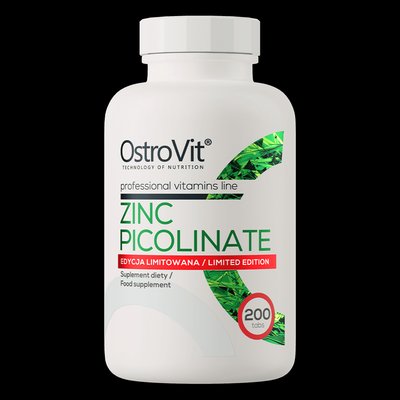 OstroVit Zinc Picolinate€7.90 In stock 150tabs uses picolinate, which some studies regard as the most bioavailable zinc form (Lönnerdal, 2009). BIOTECHUSA Zinc + Chelate 60tab is a solid compromise: chelated zinc at an accessible price.
Iron: Bisglycinate vs Sulphate vs Fumarate
Iron side effects — bloating, constipation, nausea — are typically associated with inorganic iron forms like ferrous sulphate. Iron bisglycinate achieves similar efficacy with dramatically fewer digestive complaints (Szarfarc et al., 2001).
NOW Iron 36mg Ferrochel 90caps uses Ferrochel® iron bisglycinate — a clinically studied and well-tolerated form. 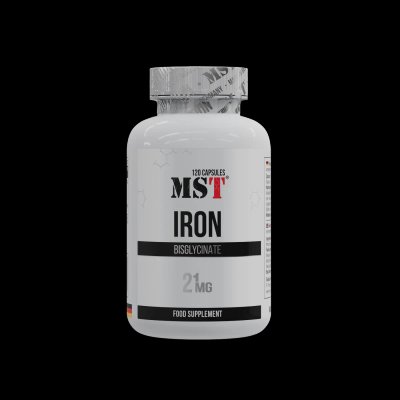 MST Iron bisglycinate€19.90 In stock 21mg 60caps offers a moderate daily dose. Both are available in the zinc and minerals category at maxfit.ee.
Magnesium: Oxide vs Glycinate vs Citrate
Magnesium oxide genuinely has poor bioavailability — approximately 4%. Magnesium glycinate and bisglycinate absorb roughly ten times better. BIOTECHUSA Magnesium + Chelate 60caps is a popular chelated magnesium choice in Estonia.
When Is Oxide Acceptable?
Oxide forms are not always inferior:
- Calcium carbonate works fine with adequate stomach acid (take with meals)
- Zinc oxide performs well in topical sunscreens
- Magnesium oxide is an effective osmotic laxative for constipation
For systemic mineral supplementation, however, chelated forms are the investment worth making.
How to Choose: A Quick Checklist
- Look for: bisglycinate, glycinate, picolinate, citrate, malate, fumarate
- Avoid (for systemic use): oxide, carbonate, sulphate
- Check elemental mineral amount (not compound weight)
- Prefer GMP-certified manufacturers
- Note if piperine (black pepper extract) is added — it enhances mineral absorption
FAQ
Are chelated minerals always better?
Generally yes — for systemic supplementation goals. Exceptions include calcium carbonate (works well with food) and magnesium oxide (for constipation). The price difference between forms is often small; the absorption difference is large.
Why do manufacturers use oxide forms?
Cost. Zinc oxide is 5–10 times cheaper than bisglycinate. Manufacturers use it to keep the price low — but often at the consumer's expense, who pays for poor results.
Is it possible to supplement iron without digestive side effects?
Yes — iron bisglycinate consistently shows in clinical trials that it causes significantly fewer digestive complaints than ferrous sulphate while maintaining good bioavailability.
References
- Pineda, O., Ashmead, H.D., Perez, J.M., et al. (2001). Effectiveness of iron amino acid chelate on the treatment of iron deficiency anemia. Journal of Applied Nutrition, 46, 2–13.
- Lönnerdal, B. (2009). Dietary factors influencing zinc absorption. Journal of Nutrition, 130(5S), 1378S–1383S.
- Szarfarc, S.C., de Souza, S.B., Furumoto, R.A., et al. (2001). Relative effectiveness of iron bis-glycinate chelate and ferrous sulfate in the control of iron deficiency. Archivos Latinoamericanos de Nutricion, 51(1 Suppl 1), 42–47.
- Sears, M.E., & Kerr, K.J. (2013). Chelation: Harnessing and Enhancing Heavy Metal Detoxification. Scientific World Journal, 219840.
- Walker, A.F., De Souza, M.C., Vickers, M.F., et al. (1998). Magnesium supplementation alleviates premenstrual symptoms of fluid retention. Journal of Women's Health, 7(9), 1157–1165.