Caffeine for Vegans & Vegetarians: The Complete Guide
Caffeine is one of the most widely studied performance-enhancing compounds in nutrition science, and the good news for plant-based athletes and active people is that it is entirely vegan — derived from plants like coffee, tea, guarana, and cacao. However, vegans and vegetarians face some specific dietary considerations that interact with caffeine use in ways worth understanding: iron absorption inhibition, B12 status, and energy dynamics on plant-heavy diets.
Why Plant-Based Diets May Create a Specific Caffeine Context
Vegans and vegetarians are not at a disadvantage when it comes to caffeine access or response — the molecule works the same way regardless of diet. But there are a few nutritional interactions unique to plant-based eating:
Iron absorption and coffee/tea: Caffeine itself does not block iron absorption, but polyphenols in coffee and tea (which are common caffeine delivery vehicles) significantly inhibit non-haem iron absorption when consumed around meal times. Non-haem iron is the type found in plant foods — lentils, spinach, tofu — making this interaction particularly relevant for vegans. A meta-analysis found that drinking coffee or tea with a meal reduced non-haem iron absorption substantially compared to consuming water (Hallberg & Hulthen, 2000). The practical implication: vegans should ideally separate caffeine from iron-rich meals by at least one hour.
Energy metabolism on plant-based diets: Whole-food plant-based diets tend to be higher in carbohydrates and fibre. This can mean more stable blood glucose and a somewhat different baseline energy feel compared to omnivorous diets — potentially affecting how noticeably caffeine's stimulatory effect registers. This is not a pharmacological difference but a contextual one.
Creatine status: Vegans typically have lower baseline muscle creatine stores than omnivores, since creatine is primarily found in meat and fish. Since caffeine and creatine are both well-studied ergogenic aids that are often used together, vegans who supplement creatine may find the combination particularly impactful.
Vegan-Friendly Caffeine Sources
All natural caffeine sources are plant-derived and therefore vegan:
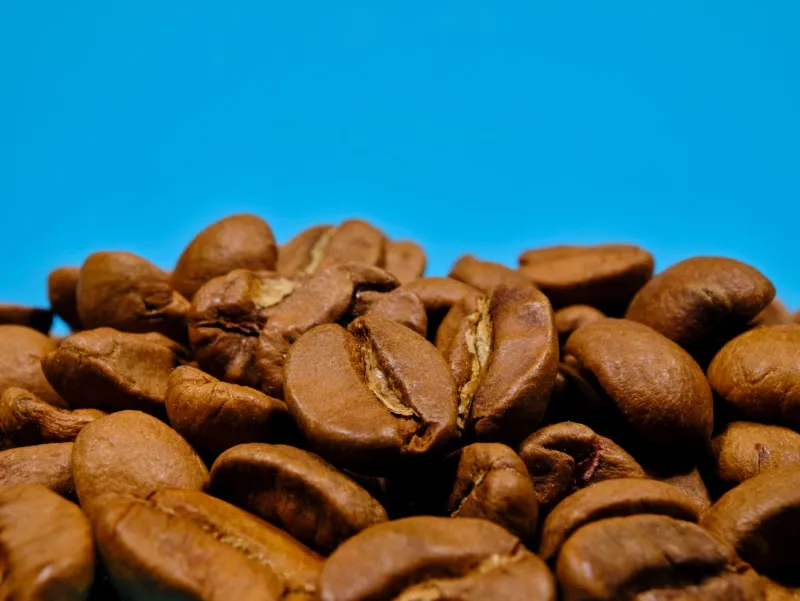
- Coffee: Whole bean, ground, instant — all vegan. The caffeine content varies widely by brewing method and bean type.
- Tea: Including green, black, and white teas. Lower caffeine per cup than coffee but also contains L-theanine, which modulates caffeine's effects.
- Guarana: A plant native to the Amazon with naturally high caffeine concentration.
- Matcha: Ground green tea leaves — higher caffeine per serving than steeped tea, plus L-theanine.
- Cacao: Natural cacao contains small amounts of caffeine and theobromine.
For supplemental caffeine specifically, vegans need to check the capsule material. Gelatin capsules are not vegan — look for HPMC (hydroxypropyl methylcellulose) or pullulan-based vegetarian and vegan capsules.
OstroVit Caffeine 200mg VEGE 200tabs is explicitly formulated with a vegetable-based capsule and is suitable for vegans. Available at maxfit.ee.
Dose Targets for Vegans and Vegetarians
The evidence base for caffeine's performance effects — improved endurance, power output, reaction time, and reduced perceived exertion — is well established across a wide range of body weights and dietary patterns. A comprehensive review of caffeine and exercise performance found that caffeine at doses of roughly 3–6 mg per kg of body weight produced meaningful performance improvements in most people (Grgic et al., 2021).
For a typical 65 kg person, this translates to approximately 195–390 mg of caffeine — a range well within what standard supplements and two to three cups of coffee provide.
Vegans do not require a different dose range than omnivores. The pharmacokinetics of caffeine are not meaningfully altered by dietary pattern.
What to Combine With Caffeine on a Plant-Based Diet
L-theanine: Naturally found in tea alongside caffeine, this amino acid is available as a standalone supplement. Combining caffeine with L-theanine (often at a 1:2 ratio of caffeine to theanine) produces a smoother cognitive effect with less jitteriness, a finding supported by multiple clinical studies. This combination is fully vegan and has a strong evidence base.
Creatine monohydrate: As mentioned, vegans have lower baseline creatine stores. Adding creatine to a caffeine regimen may yield enhanced ergogenic benefits — both are supported by strong evidence independently, and the combination is well-tolerated. Choose a vegan creatine (look for synthetically derived monohydrate, not animal-derived).
Iron timing: As noted, time caffeine away from iron-rich meals to preserve iron absorption.
Choosing a Vegan Caffeine Product
When selecting a caffeine supplement as a vegan, look for:
- Vegan capsule material (HPMC, cellulose, or pullulan — not gelatin)
- Clean ingredient list — minimal fillers, no gelatin, no stearic acid from animal sources (though most stearic acid in supplements is plant-derived)
- Standardised dose — 100–200 mg per tablet/capsule allows flexible dosing
- Certifications — some products carry vegan certification marks for additional confidence
You can browse the caffeine supplement range at MaxFit to compare available options.
Bottom Line
Caffeine is fully vegan, well-studied, and effective for performance and focus. Plant-based athletes and active people can use caffeine just as effectively as omnivores — with the one practical note that separating caffeine from iron-rich meals preserves non-haem iron absorption. For vegans wanting a ready-to-use product, look for a VEGE-capsule standardised tablet like OstroVit Caffeine 200mg VEGE 200tabs.
References
- Hallberg, L., & Hulthen, L. (2000). Prediction of dietary iron absorption: an algorithm for calculating absorption and bioavailability of dietary iron. The American Journal of Clinical Nutrition, 71(5), 1147-1160. https://pubmed.ncbi.nlm.nih.gov/10799377/
- Grgic, J., Grgic, I., Pickering, C., Schoenfeld, B. J., Bishop, D. J., & Pedisic, Z. (2021). Wake up and smell the coffee: caffeine supplementation and exercise performance — an umbrella review of 21 published meta-analyses. British Journal of Sports Medicine, 54(11), 681-688.
- Owen, G. N., Parnell, H., De Bruin, E. A., & Rycroft, J. A. (2008). The combined effects of L-theanine and caffeine on cognitive performance and mood. Nutritional Neuroscience, 11(4), 193-198. https://pubmed.ncbi.nlm.nih.gov/18681988/
FAQ
Does caffeine feel different on a vegan diet?
The pharmacological effect of caffeine is the same regardless of diet — it blocks adenosine receptors and increases alertness. However, the subjective experience can differ due to dietary context: whole-food plant-based diets tend to provide more stable blood glucose, which may make the stimulatory effect feel smoother or less pronounced. This is a contextual effect, not a pharmacological one.
Can vegans get enough caffeine from food without supplements?
Absolutely. Coffee, tea, and matcha are all plant-derived and provide fully adequate caffeine for performance use. Supplements are simply more precise: a standardised 200 mg tablet removes the variability in caffeine content that comes with different brewing methods and cup sizes. Vegans who are comfortable with their dietary caffeine dosing may not need a supplement at all.
Is all caffeine vegan?
Natural caffeine from all plant sources is vegan. Synthetic caffeine anhydrous (used in most supplements) is also vegan — it is produced via chemical synthesis, not animal-derived. The main thing to check in supplement products is the capsule material: gelatin capsules are not vegan. Tablets (compressed powder) generally do not contain animal ingredients unless stearic acid is specifically from animal tallow — which is uncommon in supplement manufacturing.



