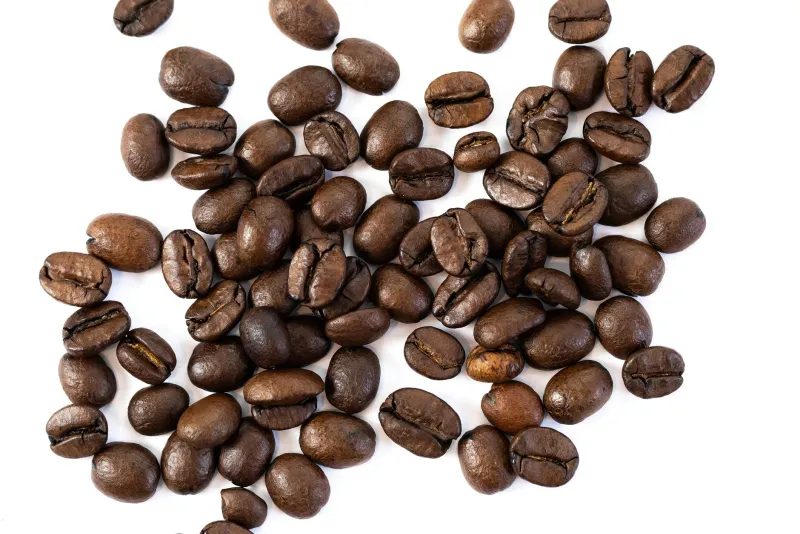
Signs You Need Caffeine: Deficiency & Who Benefits
Caffeine is the world's most widely consumed psychoactive substance and the most studied ergogenic aid in sports nutrition. Unlike vitamins and minerals, caffeine is not an essential nutrient — the body does not require it to function. However, regular consumers who reduce or stop caffeine intake experience a well-characterised withdrawal syndrome, and there are specific performance and cognitive contexts in which caffeine provides meaningful, evidence-backed benefits.
Deficiency Symptoms (Withdrawal)
Strictly speaking, "caffeine deficiency" describes the withdrawal state in habitual users rather than a true nutritional gap. When a regular caffeine consumer stops intake abruptly, characteristic symptoms typically appear within twelve to twenty-four hours and peak over one to two days:
- Headache (the most consistent and prominent withdrawal symptom)
- Fatigue and low energy
- Difficulty concentrating
- Depressed mood or irritability
- Flu-like symptoms (muscle aches, nausea) in some individuals
The mechanism involves adenosine receptor upregulation: caffeine normally blocks adenosine (a sleep-promoting neurotransmitter), and when caffeine is removed, the now-plentiful receptors respond more strongly to adenosine, producing sleepiness and the characteristic headache (Juliano & Griffiths, 2004).
In non-habitual users, absence of caffeine produces no notable symptoms.
At-Risk Groups (Who Benefits Most)
For healthy adults, caffeine's primary value is ergogenic and cognitive, not corrective of a deficiency:
Athletes and physically active individuals. A meta-analysis of caffeine and endurance exercise found that caffeine supplementation improved time-trial performance on average by around three percent, a meaningful margin in competitive settings (Ganio et al., 2009). Effects are broadly consistent across endurance, strength, and team-sport contexts.
Shift workers and those with disrupted sleep schedules. Caffeine is one of the best-studied agents for mitigating cognitive performance decrements caused by sleep restriction.
People with low habitual caffeine intake who want a predictable, dose-controlled performance boost — supplement tablets provide a known dose without the variability of brewed beverages.
Those who are sensitive to jitteriness from coffee may find pure caffeine tablets at controlled doses more predictable than beverages with additional compounds.
How It Is Tested
There is no clinical blood or urine test for "caffeine status" analogous to vitamin testing. Caffeine's effects are pharmacological and dose-dependent rather than tied to nutritional status. Individual sensitivity varies due to genetic polymorphisms in the CYP1A2 enzyme, which determines how fast caffeine is metabolised. Fast metabolisers clear caffeine quickly; slow metabolisers retain it longer, which affects both performance outcomes and side-effect profiles.
Nordic and Estonian Context
Finland and the Nordic countries consistently rank among the world's highest per-capita coffee consumers, and Estonia's coffee culture has grown strongly. This means much of the population already consumes caffeine daily through beverages. In this context, caffeine supplements serve a distinct niche: precision dosing for pre-workout use, avoiding the variability of coffee, or convenient use during training sessions without a coffee machine.
When to Supplement vs Drink Coffee
For most people, coffee or tea provides caffeine effectively and cost-efficiently. Supplement caffeine tablets make sense when:
- Precise dosing is needed: athletic competition or research contexts where dose reproducibility matters.
- Coffee triggers digestive issues: some athletes find coffee causes GI discomfort before training.
- Timing is critical: tablets are faster to prepare and have predictable release profiles.
OstroVit Caffeine 200mg VEGE 200tabs is available at maxfit.ee, providing a standardised caffeine dose per tablet — a practical choice for athletes who want predictable, evidence-based ergogenic support.
Maximum safe caffeine intake for most healthy adults is around 400 mg per day, as per regulatory guidance; individual thresholds vary. Caffeine should be avoided close to sleep time, as it has a half-life of around five to six hours in most adults.
Browse the caffeine supplements at maxfit.ee for currently available products.
FAQ
Can caffeine improve athletic performance reliably?
Yes — caffeine is among the most evidence-supported ergogenic aids available. A well-conducted meta-analysis (Ganio et al., 2009) found consistent improvements in endurance performance. Effects on strength and power events are smaller but still measurable. Timing intake about thirty to sixty minutes before exercise is generally recommended.
Will I become dependent on caffeine supplements?
Habitual caffeine use — whether from coffee or tablets — produces physiological dependence in many users, meaning withdrawal symptoms occur if intake stops abruptly. This is typically mild and resolves within a few days. Using caffeine supplements only on training days (not daily) is one approach to minimise dependence while retaining ergogenic benefits.
Is caffeine safe for everyone?
Caffeine is contraindicated or should be used cautiously in people with certain heart arrhythmias, severe anxiety disorders, and during pregnancy where intake is typically advised to be kept low. If in doubt, consult a healthcare professional before starting caffeine supplementation.
References
Juliano, L. M., & Griffiths, R. R. (2004). A critical review of caffeine withdrawal: empirical validation of symptoms and signs, incidence, severity, and associated features. Psychopharmacology, 176(1), 1–29. https://pubmed.ncbi.nlm.nih.gov/15448977/
Ganio, M. S., Klau, J. F., Casa, D. J., Armstrong, L. E., & Maresh, C. M. (2009). Effect of caffeine on sport-specific endurance performance: a systematic review. Journal of Strength and Conditioning Research, 23(1), 315–324. https://pubmed.ncbi.nlm.nih.gov/19077738/



