Black Walnut Hull Side Effects and Safety: What to Know
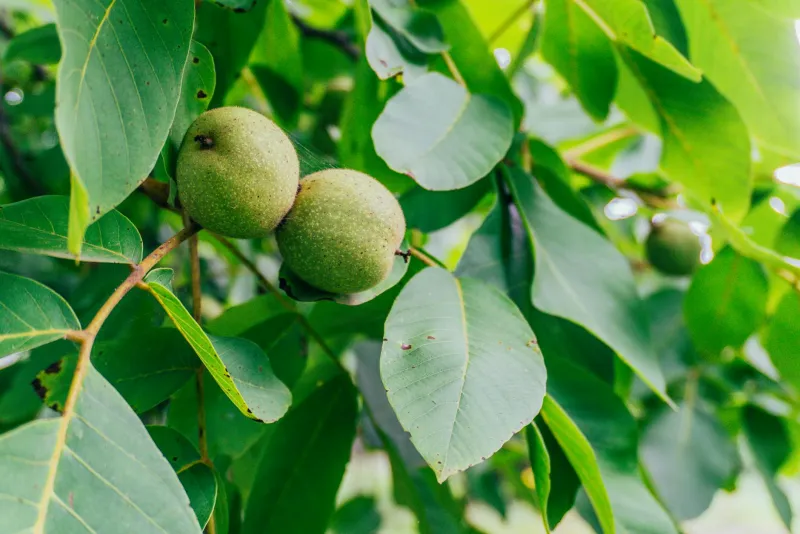
Black walnut hull, derived from the outer green casing of Juglans nigra, contains high concentrations of juglone — a naphthoquinone compound with demonstrated antimicrobial, antifungal, and antiparasitic properties in laboratory studies. It is commonly sold as a supplement for digestive and gut support.
Understanding black walnut hull safety before you start is important. The same compounds that give this herb its activity can also cause adverse effects if used incorrectly or by individuals with specific risk factors.
Common and Rare Side Effects
Common side effects reported in supplement users include:
- Nausea and gastrointestinal upset, particularly when taken on an empty stomach
- Diarrhoea or loose stools, especially at higher doses
- Mild skin rashes in individuals with nut or latex sensitivity
Rare but more serious concerns include:
- Allergic reactions ranging from contact dermatitis to, rarely, systemic hypersensitivity in people with tree-nut allergies
- Liver stress with prolonged very high intake — juglone has demonstrated hepatotoxic potential in animal models at supraphysiological doses
- Mucosal irritation of the digestive tract
Note that most adverse event reports are case studies or extrapolations from occupational exposure to juglone; dedicated human clinical safety trials with standardised black walnut hull supplements are limited (Oliveira et al., 2016).
Upper Safe Limits
There is no formally established tolerable upper intake level (UL) for black walnut hull from a major regulatory body such as EFSA or the US FDA.
In the absence of a defined UL, the practical guidance is:
- Follow the dosage on your supplement label precisely.
- Do not exceed the manufacturer's stated dose.
- Limit continuous use to eight to twelve weeks, then take a break, unless supervised by a healthcare provider.
Drug and Nutrient Interactions
Black walnut hull has several known or theoretically plausible interactions:
- Antiparasitic medications: combining black walnut hull with pharmaceutical antiparasitic agents may produce additive or unpredictable effects. Do not self-treat suspected parasitic infections with both simultaneously.
- Antifungal drugs: juglone has intrinsic antifungal activity. Concurrent use with azole antifungals (fluconazole, itraconazole) has not been well studied; caution is warranted.
- Lithium: some herbalists flag potential diuretic effects of black walnut preparations, which could theoretically affect lithium clearance. Evidence is indirect; inform your prescriber.
- Iron absorption: tannins in black walnut hull bind dietary iron (Hurrell & Egli, 2010). If you are iron-deficient, separate black walnut hull supplementation from iron-rich meals or iron supplements by at least two hours.
- Warfarin: juglone contains vitamin K precursors. Consistent, predictable intake is more important than elimination; inform your prescriber and maintain stable dosing.
Who Should Avoid Black Walnut Hull?
- People with tree-nut allergies: cross-reactivity between black walnut proteins and other tree nuts has been documented. If you have a diagnosed tree-nut allergy, consult an allergist before using any black walnut product.
- Pregnant and breastfeeding women: insufficient safety data exists; avoid unless specifically directed by a healthcare provider.
- Children: no established paediatric dosing or safety data; avoid.
- People with pre-existing liver conditions: given juglone's potential hepatotoxic profile in high-dose animal models, those with liver disease should not use black walnut hull without medical oversight.
- People with iron-deficiency anaemia: the tannin content may worsen iron absorption; discuss with your doctor.
Quality and Contamination Considerations
Quality matters significantly with black walnut hull supplements. Key concerns include:
- Heavy metal contamination: walnut hulls are efficient bioaccumulators of heavy metals from soil. Choose supplements from manufacturers who test for lead, cadmium, and mercury.
- Juglone standardisation: a supplement standardised to its juglone content gives you consistent dosing and reduces the risk of receiving an under- or over-potent product.
- Aflatoxin risk: nut-based raw materials can carry fungal contamination. Reputable manufacturers test for mycotoxins.
- Adulteration: some products described as black walnut hull may contain other Juglans species; check the Latin species name on the label.
NOW Black Walnut Hulls 500mg 100 caps is a tested, clearly labelled option available at maxfit.ee and adheres to standard quality practices. Browse the category at maxfit.ee/en/category/musta-pahkli-koor.
FAQ
Is black walnut hull safe for long-term use?
Long-term safety data from controlled human trials is sparse. Most practitioners recommend cycling — for example, two to three months of use followed by a month off — rather than indefinite continuous supplementation. If you need it for a specific health goal, discuss the appropriate duration with a qualified herbalist or doctor.
Can black walnut hull harm the kidneys or liver?
At typical supplement doses in healthy adults, serious organ damage appears unlikely. However, juglone has been shown in animal models to be hepatotoxic at very high doses. People with existing liver or kidney conditions should not use black walnut hull without medical supervision.
Can I take black walnut hull if I have a nut allergy?
Tree-nut allergies present a real risk. Black walnut is a tree nut, and cross-reactivity is possible. Anyone with a confirmed tree-nut allergy should consult an allergist before using any black walnut supplement.
References
Oliveira, I., Sousa, A., Ferreira, I. C. F. R., Bento, A., Estevinho, L., & Pereira, J. A. (2016). Total phenols, antioxidant potential and antimicrobial activity of walnut (Juglans regia L.) green husks. Food and Chemical Toxicology, 46(7), 2326–2331.
Hurrell, R., & Egli, I. (2010). Iron bioavailability and dietary reference values. American Journal of Clinical Nutrition, 91(5), 1461S–1467S. https://pubmed.ncbi.nlm.nih.gov/20200263/



