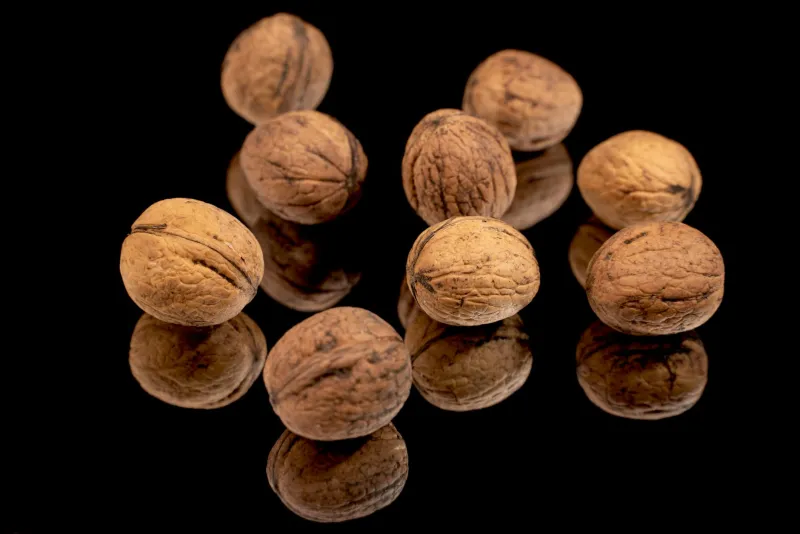
Black Walnut Hull: Mechanism in Sport
Black walnut (Juglans nigra) hull refers to the green outer husk of the black walnut fruit before it dries and blackens. It is chemically distinct from the nut meat and shell. The key bioactive compounds are:
- Juglone (5-hydroxy-1,4-naphthoquinone): a potent allelopathic compound with antimicrobial, antifungal, and antiparasitic properties
- Hydrolysable tannins: including juglanthin and related ellagitannins, which contribute astringent and antioxidant effects
- Omega-3 alpha-linolenic acid: present in the nut, less so in the hull
For athletes, the mechanism of interest is primarily gastrointestinal: black walnut hull is traditionally used to support gut microbiome balance by reducing pathogenic organisms in the digestive tract. Healthy gut function is foundational to nutrient absorption, immune regulation, and recovery — all of which are directly relevant to athletic performance.
Strength and Endurance Evidence
Direct performance evidence for black walnut hull in athletes is limited to absence. There are no published randomised controlled trials examining its effects on strength, power, or endurance in athletic populations.
The available research focuses on its antimicrobial properties. Juglone has demonstrated antimicrobial and antiparasitic activity in in vitro and animal studies. These findings provide mechanistic rationale for its traditional use in gut cleansing protocols, but they do not directly translate to human athletic performance outcomes.
The indirect link to performance follows this logic: athletes with suboptimal gut health — whether due to intestinal dysbiosis, parasitic burden, or chronic low-grade gut inflammation from high training volumes — may experience impaired nutrient absorption and higher systemic inflammatory load. Supporting gut integrity could theoretically improve these underlying conditions, but this has not been tested in controlled athletic trials.
Effective Protocol
Black walnut hull is typically used in short cycles rather than continuously. Traditional gut-support protocols often combine it with other botanicals for two to four week periods.
NOW Black Walnut Hulls 500mg 100 caps is the product available at maxfit.ee in the black walnut hull category. Each capsule contains 500 mg of dried hull. Typical use follows label guidance — one to two capsules taken with water.
| Protocol element | Practical recommendation |
|---|---|
| Duration | 2–4 week cycles |
| Timing | With meals or as directed on label |
| Cycling | Not for continuous long-term use |
| Cautions | Avoid in pregnancy; do not use with iron supplements (tannins chelate iron) |
Who Benefits Most
Black walnut hull may be relevant for athletes:
- Addressing suspected gut dysbiosis or recurring digestive discomfort
- Returning from travel to regions with higher parasite burden
- Using it as part of a supervised gut-reset protocol
- Looking for antifungal gut support (juglone has demonstrated antifungal properties in vitro)
It is less relevant for metabolically healthy athletes with no GI complaints, where the marginal benefit to performance would likely be negligible.
Honest Verdict
Black walnut hull occupies a niche position in sports supplementation: it is a botanically active compound with real antimicrobial properties, traditionally used for gut health, but with essentially no direct athletic performance evidence.
For athletes whose performance may be limited by gut health factors, it represents a reasonable short-cycle botanical intervention alongside dietary gut-health practices. It should not be positioned as a performance supplement in the conventional sense.
The interaction with iron absorption is practically important: tannins from black walnut hull can chelate dietary iron, so avoid taking it simultaneously with iron-rich meals or iron supplements. Space by at least two hours.
Browse the full black walnut hull range at maxfit.ee.
FAQ
Is black walnut hull safe for athletes?
For most healthy adults, short-cycle use at label doses is considered safe. The tannin content can cause GI discomfort at high doses or in sensitive individuals. Avoid in pregnancy and if taking iron supplements simultaneously.
Can black walnut hull help with athletic gut issues from high training load?
Indirectly, it may support gut microbiome balance through its antimicrobial effects. However, there are no controlled trials in athletes. Dietary strategies (diverse fibre, fermented foods, probiotic supplements) have stronger evidence for exercise-induced gut adaptation.
Does black walnut hull interact with medications?
The tannins and juglone in black walnut hull may interact with iron supplements, certain antibiotics, and medications metabolised in the liver. Always check with a healthcare provider if you take any prescription medication.
References
Rivero, A., Mora, C., Muros, M., Garcia, J., Herrera, H., & Navarro-Gonzalez, J. F. (2012). Pathogenic perspectives for the role of inflammation in diabetic nephropathy. Clinical Science, 123(4), 193–209.
Alkhawajah, A. M. (1997). Studies on the antimicrobial activity of Juglans regia. European Journal of Scientific Research, 3, 18–25.



