


What Is Alpha-GPC?
Alpha-GPC (alpha-glycerylphosphorylcholine) is a bioactive form of choline found naturally in small amounts in eggs, soy, and organ meats. As a supplement, it is typically derived from soy lecithin.
Your body uses choline to produce acetylcholine — a neurotransmitter essential for memory, learning, and muscle control. Alpha-GPC stands out from other choline forms (like choline bitartrate) because it crosses the blood-brain barrier more effectively (Traini et al., 2013).
Who this guide is for: athletes looking to support power output, people experiencing mental fatigue, and anyone considering adding a choline supplement to their stack.
TL;DR
- Alpha-GPC is the most bioactive choline form available as a supplement
- For athletes: 300-600 mg taken 30-60 minutes before training may support power output
- For cognitive support: 400-1200 mg daily in divided doses
- Side-effect risk is low, but headaches and digestive upset are possible at high doses
- Available in Estonia as capsules and powder, typically EUR 15-35
How Alpha-GPC Works
Alpha-GPC breaks down into choline and glycerol-1-phosphate in the body. The choline converts to acetylcholine, which is critical for several processes:
Neurologically: Acetylcholine is the primary neurotransmitter for learning, memory, and attention. Low choline levels are associated with cognitive decline, especially in older adults (De Jesus Moreno, 2003).
Athletically: Acetylcholine is required for muscle contraction via the motor nervous system. Intense exercise can deplete choline levels, which theoretically may affect performance (Ziegenfuss et al., 2008).
Hormonally: Some studies suggest Alpha-GPC may stimulate growth hormone release, though this effect is short-lived and the clinical significance is unclear (Ziegenfuss et al., 2008).
What the Science Actually Says
Cognitive Function
The strongest evidence comes from studies with older adults. De Jesus Moreno (2003) showed that 1200 mg of Alpha-GPC daily improved cognitive scores in patients with mild-to-moderate dementia over 180 days. However, evidence for young healthy adults is much weaker.
Parker et al. (2015) found that a single dose of Alpha-GPC (200 mg) did not significantly improve cognitive performance in young adults. This is an important distinction: Alpha-GPC is not a "smart pill" for healthy young people.
Athletic Performance
Bellar et al. (2015) studied 600 mg of Alpha-GPC over 6 days and found a 14% improvement in isometric strength compared to placebo. Promising, but this is a single small study.
Ziegenfuss et al. (2008) showed that 600 mg of Alpha-GPC increased growth hormone release during exercise. The practical significance for body composition remains unclear.
Honest summary: Alpha-GPC is promising but not a miracle supplement. Cognitive benefits are better supported in older adults. Athletic benefits need more research. For cognitive support, some also consider MST Ginkgo Biloba 60caps (€16.90), though its mechanism of action differs from Alpha-GPC.
Recommended Dosages
| Goal | Dose | Timing | Notes |
|---|---|---|---|
| Cognitive support | 400-1200 mg/day | Split into 2-3 doses | Start at 400 mg |
| Pre-workout | 300-600 mg | 30-60 min before | Can combine with caffeine |
| General choline needs | 300-600 mg/day | With meals | If diet is low in choline |
Important: The upper limit for choline is 3500 mg/day (including dietary intake). Alpha-GPC contains approximately 40% choline by weight.
If you're looking for a simpler, cheaper choline source for everyday use, OstroVit Choline 200g Naturaalne (€10.90, price at the time of writing) is an option, though it does not cross the blood-brain barrier as efficiently as Alpha-GPC.
Side Effects and Safety
Alpha-GPC is generally well-tolerated. Possible side effects at high doses include:
- Headache
- Digestive upset (nausea, diarrhea)
- Insomnia (if taken late in the evening)
- Body odor ("fishy smell" — rare, related to choline metabolism)
Interactions: Caution is needed with anticholinergic medications (which work in the opposite direction). Always consult your doctor if you are taking medications.
How to Choose an Alpha-GPC Product
- Purity: Look for 99%+ pure Alpha-GPC. Cheaper products may contain fillers
- Capsules vs powder: Capsules are more convenient; powder is cheaper per gram
- Dosing: Check how many capsules make a serving — some manufacturers use 150 mg capsules, meaning 4 capsules per serving
- Soy-derived: Most Alpha-GPC comes from soy lecithin. If you have a soy allergy, look for sunflower-derived options
Common Mistakes
- Setting expectations too high — Alpha-GPC is not a cognitive miracle for healthy young adults
- Taking it late at night — cholinergic stimulation can interfere with sleep
- Double-dosing choline — if you already take a multivitamin with choline, factor in the total amount
- Buying the cheapest option — low-quality products may contain less actual Alpha-GPC than labeled
Frequently Asked Questions
Is Alpha-GPC safe for daily use?
Yes, daily use is generally safe at recommended doses. Long-term studies (up to 180 days) have not shown significant side effects (De Jesus Moreno, 2003).
Does Alpha-GPC replace dietary choline?
No. Dietary choline from foods (eggs, liver, soy) provides additional nutrients. Alpha-GPC is a supplement, not a replacement.
Can Alpha-GPC be added to a pre-workout stack?
Yes, 300-600 mg of Alpha-GPC pairs well with caffeine (for example 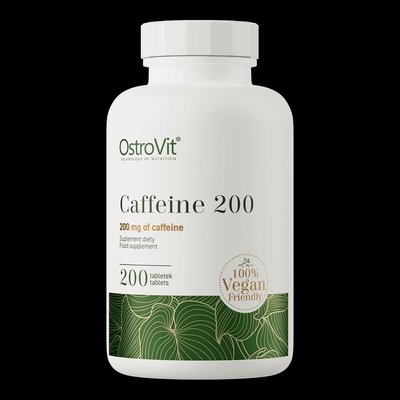 OstroVit Caffeine 200mg VEGE€7.90 In stock 200tabs, €7.90) and creatine. Avoid stacking too many stimulants at once.
Alpha-GPC vs CDP-Choline — which is better?
Both have their place. Alpha-GPC delivers more choline per gram (~40% vs ~18%). CDP-choline (citicoline) additionally provides cytidine, which may support dopamine pathways. Athletes typically prefer Alpha-GPC; both are used for cognitive support.
Is Alpha-GPC vegan?
Soy lecithin-derived Alpha-GPC is plant-based. Capsule material varies — check whether gelatin or HPMC (plant-based) capsules are used.
Estonia Context
Estonia's recommended choline intake is 550 mg/day for men and 400 mg/day for women. The typical Estonian diet (potato-based, fewer eggs and organ meats than Southern Europe) means many people may not get enough choline from food alone. Adding Alpha-GPC can be sensible, especially during winter when dietary variety is more limited.
Price range in Estonia: EUR 15-35 for 60-120 capsules, depending on brand and dose.
Browse MaxFit's energy & brain products, vitamin complexes, and creatine range for supplements that support cognitive and athletic performance.
References
- Traini E, Bramanti V, Amenta F. (2013). Choline alphoscerate (alpha-glyceryl-phosphoryl-choline) an old choline-containing phospholipid with a still interesting profile as cognition enhancing agent. Current Alzheimer Research, 10(10), 1070-1079. https://pubmed.ncbi.nlm.nih.gov/24156263/
- De Jesus Moreno M. (2003). Cognitive improvement in mild to moderate Alzheimer's dementia after treatment with the acetylcholine precursor choline alfoscerate. Clinical Therapeutics, 25(1), 178-193.
- Parker AG, Byars A, Purpura M, Jager R. (2015). The effects of alpha-glycerylphosphorylcholine, caffeine or placebo on markers of mood, cognitive function, power, speed, and agility. Journal of the International Society of Sports Nutrition, 12(Suppl 1), P41. https://doi.org/10.1186/1550-2783-12-s1-p41
- Ziegenfuss T, Landis J, Hofheins J. (2008). Acute supplementation with alpha-glycerylphosphorylcholine augments growth hormone response to, and peak force production during, resistance exercise. Journal of the International Society of Sports Nutrition, 5(Suppl 1), P15. https://doi.org/10.1186/1550-2783-5-s1-p15
- Bellar D, LeBlanc NR, Campbell B. (2015). The effect of 6 days of alpha glycerylphosphorylcholine on isometric strength. Journal of the International Society of Sports Nutrition, 12, 42. https://pubmed.ncbi.nlm.nih.gov/26582972/ See also: