Best Collagen in Estonia 2026

Best Collagen in Estonia 2026


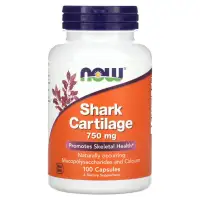

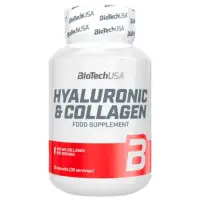

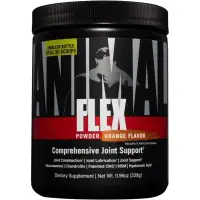



How we chose the best collagen in 2026
When selecting the best collagen, we evaluated collagen type (I, II, III), source (marine or bovine collagen), hydrolysis degree (peptide size affects absorption), purity, and value for money. Marine collagen (type I) has the highest bioavailability and is best for skin and hair. Bovine collagen (types I and III) supports joints and bone health. Hydrolyzed collagen or collagen peptides are best absorbed. We also checked additional ingredients — the best collagen includes vitamin C, which is essential for collagen synthesis in the body.
Criteria for choosing the best collagen
| Criterion | Why it matters | What to look for | Red flag |
|---|---|---|---|
| Collagen type | Different types support different tissues | Type I for skin, type II for cartilage, type III for joints | Type not specified on label |
| Hydrolysis degree | Smaller peptides absorb better | Hydrolyzed collagen / collagen peptides | Unprocessed gelatin (large molecule) |
| Source | Affects bioavailability and suitability | Marine collagen (highest bioavailability) or bovine collagen | Source not specified |
| Added vitamin C | Vitamin C is required for collagen synthesis | Vitamin C included in formula | Missing — supplement separately |
| Dosage and purity | Effective dose is 5-15 g per day | At least 5 g collagen per serving | Under 2 g per serving — ineffective |
FAQ about the best collagen
For beginners, we recommend hydrolyzed marine collagen (type I) with vitamin C — it has the highest bioavailability and supports skin, hair, and nail health. Start with 5-10 g per day. Powder form is the most versatile — you can add it to drinks, smoothies, or coffee.
Quality collagen in Estonia typically costs €0.30-0.80 per serving (5-10 g). Bovine collagen is more affordable (€0.30-0.50), marine collagen is pricier (€0.50-0.80). Liquid collagen is the most expensive, but there is no significant difference in bioavailability — powder offers the best value.
Marine collagen (type I) has smaller peptides and absorbs faster — best for skin and hair. Bovine collagen (types I and III) is more affordable and supports joints and bones. Those with fish allergies should choose bovine collagen. Both are effective — the choice depends on your goals and budget.
Improved skin hydration and elasticity are noticeable after 4-8 weeks of regular intake. Joint improvement takes longer — 8-12 weeks. Stronger hair and nails become visible after 2-3 months. Consistent daily intake is essential for results.
Yes, hydrolyzed collagen withstands heat well and does not lose its properties. You can add it to coffee, tea, or soup. Unprocessed gelatin (not hydrolyzed) may thicken when heated. Always prefer hydrolyzed collagen or collagen peptides.