Glucosamine — Joint Health Supplements

Glucosamine — Joint Health Supplements
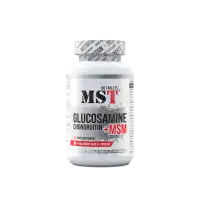
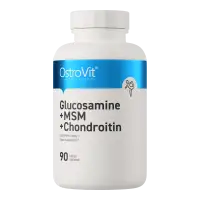
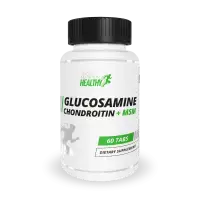
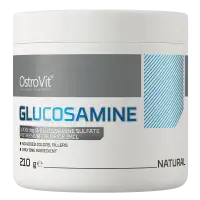
What is glucosamine and how does it support joints?
Glucosamine is an amino sugar that serves as the primary building block of joint cartilage, helping keep joints healthy and mobile. The body naturally produces glucosamine, but production decreases with age, leading to cartilage wear and joint pain. As a supplement, glucosamine supports cartilage repair and reduces joint stiffness, especially in people with osteoarthritis.
Frequently asked questions about glucosamine
Yes, glucosamine is a clinically proven compound for relieving joint pain, especially in knee osteoarthritis. The effect typically appears after 4-8 weeks of consistent use. Glucosamine works better in combination with chondroitin, which also supports cartilage health and elasticity.
The most studied and effective form is glucosamine sulfate, recommended at 1,500 mg per day. Glucosamine hydrochloride (HCl) is a more concentrated form but has less clinical evidence. N-acetyl glucosamine is more specific to gut health. Choose the sulfate form in standardized doses.
Traditional glucosamine is derived from crustacean shells, so people with shellfish allergies should be cautious. However, plant-based alternatives are available where glucosamine is produced through corn fermentation. Plant-based glucosamine is allergen-free and also suitable for vegans.
Initial results typically appear after 4-8 weeks. The full effect on cartilage health develops after 3-6 months of consistent use. Glucosamine provides long-term support rather than fast-acting pain relief. Many experts recommend ongoing supplementation for persistent joint issues.