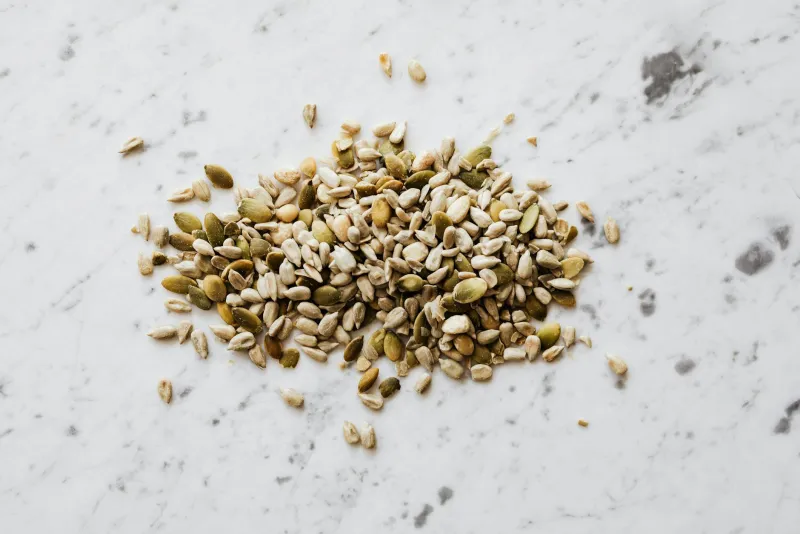
Zinc for Weight Management: Does It Work?
Zinc is an essential trace mineral involved in over 300 enzymatic reactions in the body. Its role in immune function, wound healing, and protein synthesis is well established. More recently, interest has grown in whether zinc influences body weight and fat metabolism — a question worth examining with an honest eye on the actual evidence.
Proposed Mechanism
Zinc interacts with several systems relevant to body weight:
- Leptin regulation: Leptin is the hormone that signals satiety to the brain. Research has shown that zinc deficiency is associated with lower leptin levels, which may impair the feeling of fullness (Mantzoros et al., 1998). In zinc-deficient individuals, correcting the deficiency may therefore support better appetite regulation.
- Insulin sensitivity: Zinc plays a role in insulin signalling and glucose metabolism. Low zinc status has been associated with poorer glycaemic control in some populations.
- Thyroid function: Zinc is required for the conversion of thyroxine (T4) to the more active triiodothyronine (T3). Thyroid hormones regulate basal metabolic rate, so in theory, zinc deficiency could impair metabolism.
These mechanisms are plausible, but the critical question is whether supplementation in people who are not zinc-deficient produces meaningful weight management effects.
An Honest Look at the Evidence
The research on zinc and body weight is modest in scale and mixed in quality. A meta-analysis by Khorsandi et al. (2019) examining zinc supplementation in obese individuals found reductions in body weight, body mass index, and waist circumference, but the included studies were largely in zinc-deficient populations, and effect sizes were small.
For people with adequate zinc status — which describes most people eating a varied diet — there is little evidence that additional zinc supplementation drives meaningful weight loss. The effects seen in studies appear to be correction of a deficit rather than a pharmacological fat-burning action.
Effect Sizes: What to Expect Realistically
Even in studies showing positive effects, the changes associated with zinc supplementation are small in absolute terms. Zinc is not a fat burner or a weight loss supplement in any meaningful sense for zinc-replete individuals. What it may do is help restore normal metabolic function in those who are genuinely deficient, which can indirectly support healthier body weight over time.
If you suspect you may be zinc-deficient — particularly likely if you follow a plant-based diet high in phytates that bind zinc, restrict food variety, or have high exercise demands — then correcting that deficiency may have broader health benefits that include improved metabolic function.
Realistic Expectations and Better Levers
For weight management, the hierarchy of evidence is clear:
- Calorie balance remains the dominant factor
- Protein intake supports satiety and muscle preservation during weight loss
- Resistance training preserves muscle mass and maintains metabolic rate
- Sleep quality affects appetite hormones substantially
- Zinc adequacy is a sensible background consideration — not a primary driver
At maxfit.ee, options such as ICONFIT Capsules Zinc N90, SELF Zinc 100tabs, NOW Zinc Picolinate€16.90 In stock 50mg 120 veg. caps., and 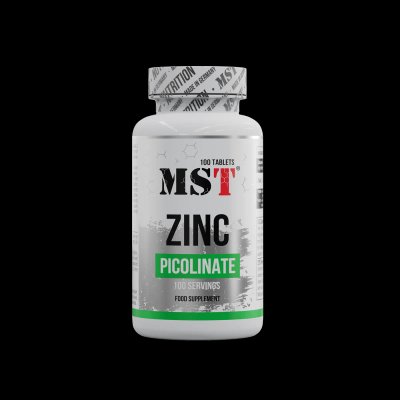 MST Zinc Picolinate€13.90 In stock 100tabs are straightforward ways to ensure baseline zinc sufficiency, particularly for athletes with high training loads, which increase zinc losses through sweat.
References
- Mantzoros, C. S., Prasad, A. S., Beck, F. W., Grabowski, S., Kaplan, J., Adair, C., & Brewer, G. J. (1998). Zinc may regulate serum leptin concentrations in humans. Journal of the American College of Nutrition, 17(3), 270-275. https://pubmed.ncbi.nlm.nih.gov/9627914/
- Khorsandi, H., Nikpayam, O., Yousefi, R., Parandoosh, M., Hosseinzadeh, N., Saidpour, A., & Ghorbani, A. (2019). Zinc supplementation improves body weight management, inflammatory biomarkers and insulin resistance in individuals with obesity: a randomized, placebo-controlled, double-blind trial. Diabetology & Metabolic Syndrome, 11, 101. https://pubmed.ncbi.nlm.nih.gov/31827626/
- Ruz, M., Carrasco, F., Rojas, P., Codoceo, J., Inostroza, J., Basfi-fer, K., Csendes, A., & Rebolledo, A. (2011). Zinc absorption and zinc status are reduced after Roux-en-Y gastric bypass: a randomized study using 2 zinc supplements. American Journal of Clinical Nutrition, 94(4), 1004-1011. https://pubmed.ncbi.nlm.nih.gov/21865332/
FAQ
Can zinc supplements help me lose weight?
Not directly, if you are already zinc-sufficient. The weight-related benefits seen in studies are mainly in zinc-deficient populations. For zinc-replete individuals, it is more a matter of supporting overall metabolic health.
Who is most likely to be zinc-deficient?
People following strict plant-based diets (phytates reduce zinc absorption), those with high sweat losses from training, and people restricting calories significantly are the groups most at risk of insufficient zinc status.
What is the best form of zinc supplement to take?
Zinc picolinate and zinc bisglycinate are often considered more bioavailable than zinc oxide. Taking zinc with food can reduce stomach discomfort, but large meals can also reduce absorption — a small snack is a reasonable compromise.



