
When to Take Zinc: Optimal Timing
Zinc timing is one of the most practical questions in supplement use. The mineral supports immune defence, testosterone metabolism, wound healing, and enzyme activity — yet its absorption varies dramatically depending on when and how you take it. Getting zinc timing right can meaningfully improve what you actually absorb.
With Food or Without?
Zinc is absorbed in the small intestine, primarily via saturable ZIP transporters. On an empty stomach, zinc moves through quickly and uptake can be higher in the short term — but for many people this causes nausea, especially at doses above 25 mg elemental zinc. Taking zinc with a small meal reduces gastric irritation without substantially harming absorption, provided the meal does not contain high-phytate foods (bran cereals, legumes) or high-calcium dairy. A light meal of eggs, vegetables, or lean protein is the practical sweet spot.
Phytate — the storage form of phosphorus found in whole grains and legumes — binds zinc and reduces its bioavailability (Hambidge et al., 2010). If your diet is high in phytate, spacing zinc at least one to two hours away from phytate-rich meals is worth the effort.
Time of Day and Training
There is no single study demonstrating a superior time of day for zinc absorption under controlled conditions. However, practical reasoning guides recommendations:
- Morning — works well for those whose breakfast is low in phytate (eggs, yogurt). Zinc in the morning pairs naturally with other fat-soluble vitamins.
- Evening or before bed — zinc is involved in testosterone synthesis and growth-hormone pulses that occur during sleep. Many athletes choose a pre-bed dose to align with overnight anabolism, though direct RCT evidence for this timing strategy is limited.
- Around training — intense exercise transiently increases urinary zinc loss (Cordova and Alvarez-Mon, 1995). Some athletes take zinc shortly after a workout as a replenishment strategy, paired with a post-training meal. Avoid taking zinc immediately with a large whey shake because calcium can interfere with zinc absorption.
Split Versus Single Dose
The zinc transporter system saturates at moderate doses. Research indicates that absorption efficiency declines at higher single doses, while splitting the daily amount across two smaller doses keeps transporters closer to saturation without overwhelming them. A practical approach is to split a daily dose (e.g. 15–25 mg elemental zinc) into two portions — morning and evening — particularly if you are correcting a deficiency.
Interactions Affecting Timing
Several common supplements and foods compete with zinc at the intestinal level:
| Interactor | Effect on Zinc | Recommendation |
|---|---|---|
| Iron (high-dose supplements) | Competes at shared transporters | Separate by 2 hours |
| Calcium (dairy, supplements) | Inhibits zinc absorption | Separate by 1–2 hours |
| Phytate (grains, legumes) | Chelates zinc | Take zinc away from high-phytate meals |
| Copper | Zinc displaces copper at high intake | If supplementing long-term, consider a small copper co-supplement |
Copper is worth a special note: prolonged zinc supplementation above 40 mg/day can deplete copper. If you use zinc regularly, a copper intake of around 1–2 mg per day helps maintain balance (Fosmire, 1990).
Practical Schedule
A sensible zinc timing protocol for most adults:
- Morning dose — take with a light, low-phytate breakfast (eggs, vegetables). This aligns with natural cortisol peaks and avoids the high-phytate evening grains some people eat.
- Evening dose (if splitting) — take 1–2 hours after dinner, away from large calcium sources, ideally before bed.
- Post-training — if you train in the evening, consider your post-workout meal as the anchor for the evening zinc dose.
Products available at maxfit.ee that fit this protocol include ICONFIT Capsules Zinc N90, 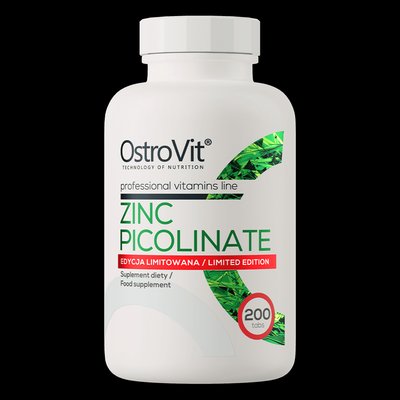 OstroVit Zinc Picolinate€7.90 In stock 200tabs, and
 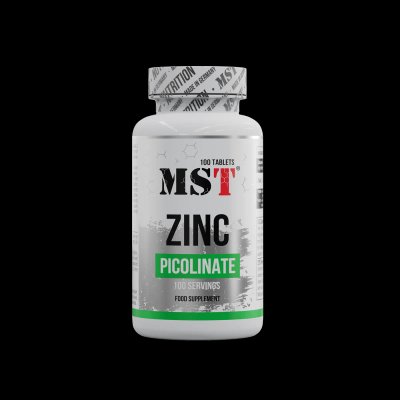 MST Zinc Picolinate€13.90 In stock 100tabs — all providing well-absorbed zinc forms without filler ingredients that would complicate timing.
FAQ
Should I take zinc on an empty stomach?
You can, and absorption may be slightly higher, but nausea is common at doses above 25 mg on an empty stomach. A light low-phytate meal (eggs, salad) significantly reduces irritation without substantially reducing absorption.
Can I take zinc at the same time as magnesium?
Yes. Zinc and magnesium do not meaningfully compete at typical supplemental doses, which is why ZMA-type formulas (zinc, magnesium, B6) combine them. They share no major transporter pathway at nutritional doses.
How long does it take to notice the effects of correct zinc timing?
Zinc status normalises over several weeks to months of consistent use. Subjective changes such as improved immune resilience or mood stability are rarely apparent in under four to six weeks.
References
Hambidge, K. M., Miller, L. V., Westcott, J. E., Sheng, X., & Krebs, N. F. (2010). Zinc bioavailability and homeostasis. American Journal of Clinical Nutrition, 91(5), 1478S-1483S. https://pubmed.ncbi.nlm.nih.gov/20200261/
Fosmire, G. J. (1990). Zinc toxicity. American Journal of Clinical Nutrition, 51(2), 225-227. https://pubmed.ncbi.nlm.nih.gov/2407097/
Cordova, A., & Alvarez-Mon, M. (1995). Behaviour of zinc in physical exercise: a special reference to immunity and fatigue. Neuroscience and Biobehavioral Reviews, 19(3), 439-445. https://pubmed.ncbi.nlm.nih.gov/7566745/



